
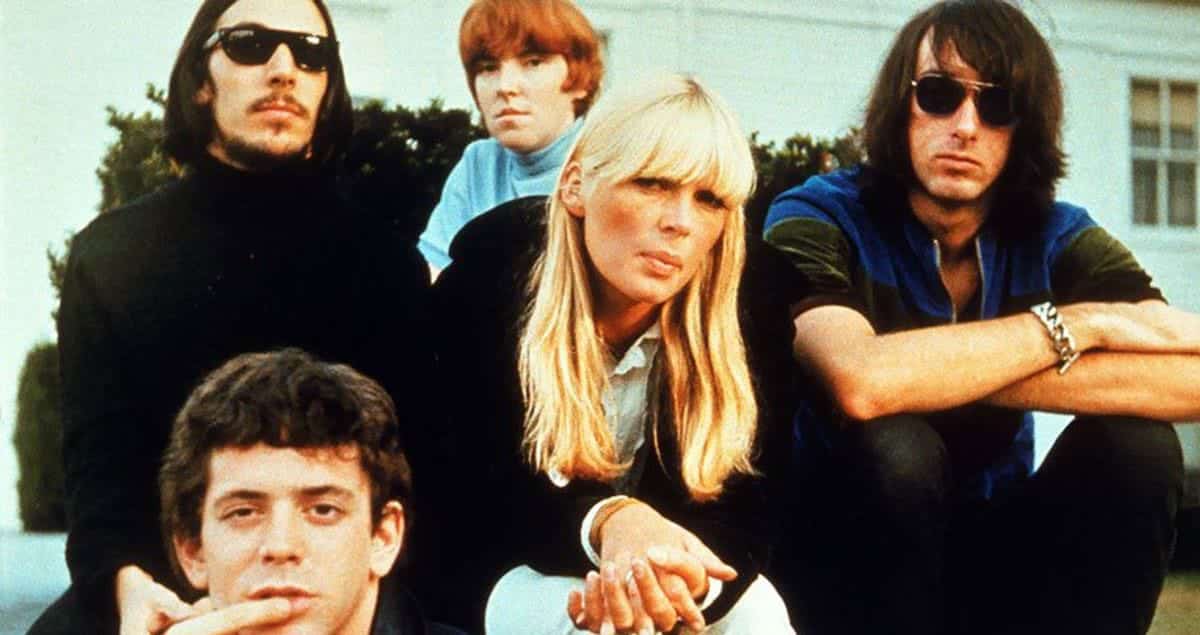
The Velvet Underground: Influence Without Permission
The Velvet Underground is often described as a band that “wasn’t popular but influenced everyone.” That line is true—and dangerously incomplete. Their real impact wasn’t about who copied them. It was about what they made possible.
The Velvet Underground didn’t change rock by succeeding within its rules.
They changed it by ignoring the need for approval altogether.
Art Without Invitation
Most bands ask to be liked, even when they pretend not to. The Velvet Underground never asked. Their music doesn’t negotiate with the listener. It presents conditions—raw, uncomfortable, unresolved—and leaves you to decide whether to stay.
This absence of invitation is crucial. There is no attempt to soften the edges, to explain context, or to guide interpretation. The music exists as fact, not argument.
Rock music had rarely been this indifferent to reception.
Subject Matter Without Distance
Before The Velvet Underground, taboo subjects in rock were often filtered through metaphor or rebellion-as-performance. The Velvet Underground removed that filter.
They didn’t dramatize darkness. They normalized it. Addiction, isolation, desire, and numbness appear without moral framing. There is no lesson, no warning, no redemption arc.
This flatness makes the content heavier, not lighter. When there is no commentary, the listener must confront reality directly.
Minimalism as Confrontation
The band’s minimalism isn’t decorative—it’s confrontational. Repetition doesn’t hypnotize; it insists. Structures don’t develop; they persist.
This persistence creates discomfort. There’s no release, no progression to justify endurance. You listen not because the music promises reward, but because it refuses to resolve.
That refusal redefined what listening could demand.
Noise Without Aggression
The Velvet Underground used noise not as attack, but as texture. Distortion isn’t explosive—it’s continuous. Feedback doesn’t climax; it lingers.
This matters. Noise here isn’t rebellion or shock. It’s environment. It suggests that dissonance isn’t an event—it’s a condition you inhabit.
Later movements would borrow the noise. Few would borrow the restraint.
Detachment as Authenticity
Vocals in The Velvet Underground rarely perform emotion. They observe it. Delivery is flat, almost affectless, stripping away melodrama.
This detachment isn’t coldness. It’s refusal to exaggerate experience for effect. Feeling isn’t amplified to be understood—it’s allowed to exist at its own scale.
This approach quietly redefined authenticity in music.
Influence Without Control
The Velvet Underground’s influence spread not because they created a template, but because they removed barriers. They demonstrated that music didn’t need polish, approval, or consensus to matter.
Punk, post-punk, indie, noise rock—entire movements didn’t imitate their sound. They adopted their permission: permission to be unresolved, uncommercial, and uncompromising.
Why It Still Resonates
The Velvet Underground still feels contemporary because they didn’t chase relevance. They documented conditions that persist—alienation, excess, detachment—without framing them as eras or trends.
Their music doesn’t feel old because it never tried to feel current.
The Core Insight
The Velvet Underground proved that influence doesn’t require dominance. It requires integrity without negotiation.
They didn’t ask rock music to change.
They behaved as if it already had.
Final Thought
The Velvet Underground matters because they refused to translate reality into entertainment. They presented it plainly, without apology or explanation.
They didn’t try to be understood.
They trusted that understanding, if it came, would be earned.
That trust reshaped everything that followed.