
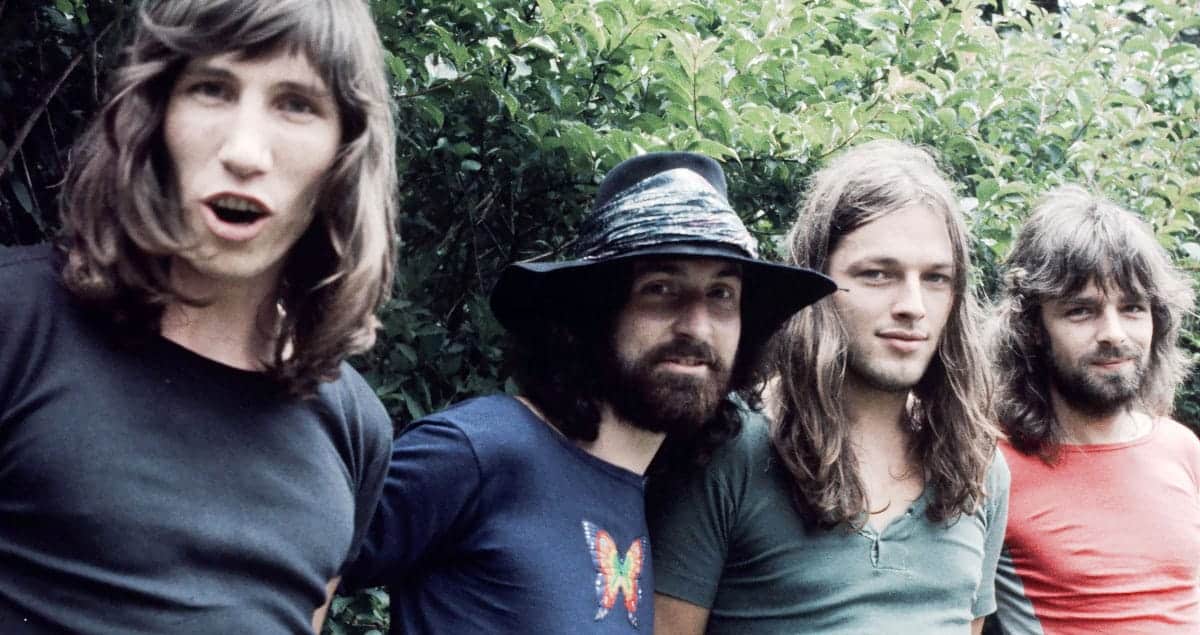
Pink Floyd

Pink Floyd: Rock’u Mimariye Dönüştüren Grup

Hızlı Bilgiler

Kuruluş: 1965
Köken: Londra, İngiltere
Türler: Progressive Rock, Psychedelic Rock, Art Rock
Klasik Kadro: Roger Waters, David Gilmour, Richard Wright, Nick Mason
Faaliyet Yılları: 1965–1995


Köken Hikayesi – Sanat Okulundan Psychedelic Kaosa

Pink Floyd bir garajda doğmadı. Bir sınıfta doğdu.

1960’ların ortalarında Londra’da, mimarlık öğrencileri Roger Waters, Nick Mason ve Richard Wright, ritim ve blues cover’ları ile deneyler yapıyordu. Yetenekliydiler, ama devrimci değildiler.

Her şey Syd Barrett sahneye çıktığında değişti.

Barrett farklıydı. Gerçeküstü, çocukça, bazen rahatsız edici sözler yazıyordu. Gitarı bir enstrüman olarak değil, bir doku makinesi olarak kullanıyordu. Blues müzisyenleri Pink Anderson ve Floyd Council’in isimlerini birleştirerek grubu yeniden adlandırdı.

1967’de, Pink Floyd Londra’nın yeraltı psychedelic sahnesinin ev sahibi grubu haline geldi. Işık projeksiyonları, uzun doğaçlamalar, ses soyutlaması. İlk albümleri The Piper at the Gates of Dawn bu kaotik parlaklığı yakaladı.

Ama parlaklık kararsızdı.


İlk Dönüm Noktası – Kurucunun Kaybı

Syd Barrett’ın zihinsel durumu turne sırasında hızla kötüleşti. Uzaklaştı, öngörülemez hale geldi ve bazen performans sergileyemez oldu.

Grup acımasız bir karar ile karşı karşıya kaldı.

Barrett’a canlı destek olması için David Gilmour’u getirdiler. Birkaç ay içinde, Barrett gitti.

Bu an grup için sona ermiş olabilirdi. Bunun yerine, yeniden doğuşu zorladı.

Barrett’ın gerçeküstü spontaneliği olmadan, Pink Floyd daha yapılandırılmış, daha mimari hale geldi. Roger Waters yavaş yavaş kavramsal kontrolü ele aldı. Gilmour melodik netlik ve duygusal hassasiyet sağladı.

Pink Floyd psychedelic kaostan çıkıp, progresif tasarıma dönüşmeye başladı.


Atılım – The Dark Side of the Moon

1973’te, Pink Floyd The Dark Side of the Moon albümünü çıkardı.

Bu sadece bir albüm değildi. Bu bir bildiriydi.

Zaman, açgözlülük, zihinsel istikrarsızlık ve ölümlülük temaları kesintisiz bir ses deneyimine dokunmuştu. Parçalar birbirine kesintisiz akıyordu. Ses efektleri anlatı araçları haline geldi.

Albüm Billboard listelerinde 900 haftadan fazla kaldı.

Ticari başarı geldi — ama baskı da geldi.


Dönüm Noktası Albümü – The Dark Side of the Moon (1973)

Neden bu albüm?

Çünkü Pink Floyd’un tasarımını tanımladı:

  • Kavramsal birlik

  • Stüdyo yeniliği

  • Duygusal kısıtlama

  • Hızdan çok atmosfer

Prodüksiyon teknikleri — bant döngüleri, kalp atışı ritimleri, şarkılara katmanlanmış konuşma röportajları — rock’u sinematik bir alana taşıdı.

Yüksek sesli değildi. Gösterişli değildi.

Sarmalayıcıydı.
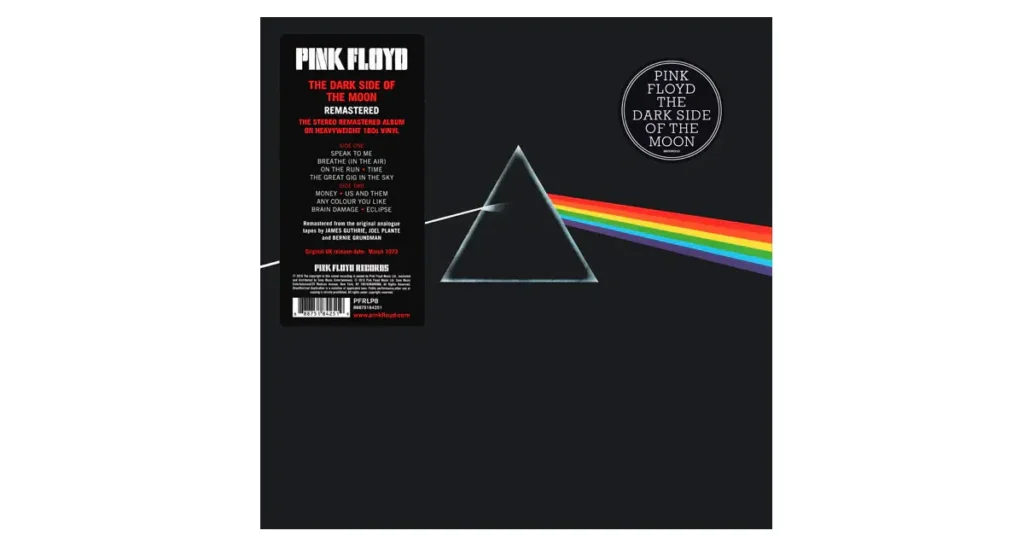
The Dark Side of the Moon Pink Floyd


İmza Şarkısı – Comfortably Numb

1979’da çıkan The Wall albümünde “Comfortably Numb”, Pink Floyd’un kataloğundaki duygusal zirve haline geldi.

Roger Waters ve David Gilmour tarafından yazılan şarkı, kopukluk ve izolasyonu keşfediyor. Kıtasal kısımlar soğuk, neredeyse klinik. Sonra nakarat geliyor — ve Gilmour’un gitar solosu.

O solo kontrollü bir ateş.

Acelesi yok. Parçalamıyor. Yavaşça yükseliyor, cerrahi bir ifade ile gerilim ve rahatlama oluşturuyor. Canlı performanslar onu neredeyse ruhsal bir şeye dönüştürdü.

Bir şarkı Pink Floyd’un kavram ve duygu arasındaki dengesini temsil ediyorsa, bu odur.


İçsel Çatlak – Waters Kontrolü Ele Alıyor

Animals ve The Wall gibi albümlerle, Roger Waters baskın yaratıcı güç haline geldi. Temalar daha karanlık hale geldi. Alaycılık, hayranlığın yerini aldı.

İçsel gerilim arttı.

Klavye sanatçısı Richard Wright, The Wall kayıtları sırasında geçici olarak görevden alındı. 1985’te, Waters grubu tamamen terk etti ve sona erdiğini ilan etti.

Ama sona ermedi.

David Gilmour ve Nick Mason, Pink Floyd adı altında devam ettiler ve A Momentary Lapse of Reason ve The Division Bell albümlerini çıkardılar.

Grup hayatta kaldı — ama dönüştü.


Üyeler

Roger Waters – Bas, Kavramsal yönlendirme
David Gilmour – Gitar, Vokal
Richard Wright – Klavyeler
Nick Mason – Davul
Syd Barrett – Kurucu, Gitar (1965–1968)


Stüdyo Diskografisi

The Piper at the Gates of Dawn (1967)
A Saucerful of Secrets (1968)
More (1969)
Ummagumma (1969)
Atom Heart Mother (1970)
Meddle (1971)
Obscured by Clouds (1972)
The Dark Side of the Moon (1973)
Wish You Were Here (1975)
Animals (1977)
The Wall (1979)
The Final Cut (1983)
A Momentary Lapse of Reason (1987)
The Division Bell (1994)
The Endless River (2014)


Miras

Pink Floyd, bir rock grubunun ne olabileceği beklentisini değiştirdi.

Albümlerin birleşik kavramsal sanat olarak işlev görebileceğini kanıtladılar. Prodüksiyon sınırlarını genişlettiler. Progresif rock, alternatif rock ve ambient müziği etkilediler.

Ama daha da önemlisi:

Sessizliği anlamlı hale getirdiler.
Atmosferi yapısal hale getirdiler.
Duyguyu mimari hale getirdiler.

Pink Floyd

Pink Floyd : Le groupe qui a transformé le rock en architecture

Faits rapides

Fondé : 1965
Origine : Londres, Angleterre
Genres : Rock progressif, Rock psychédélique, Rock d’art
Formation classique : Roger Waters, David Gilmour, Richard Wright, Nick Mason
Années actives : 1965–1995


Histoire d’origine – De l’école d’art au chaos psychédélique

Pink Floyd n’est pas né dans un garage. Il est né dans une salle de classe.

Au milieu des années 1960 à Londres, les étudiants en architecture Roger Waters, Nick Mason et Richard Wright expérimentaient avec des reprises de rhythm and blues. Ils étaient compétents, mais pas révolutionnaires.

Tout a changé lorsque Syd Barrett est entré en scène.

Barrett était différent. Il écrivait des paroles surréalistes, enfantines, parfois troublantes. Il traitait la guitare moins comme un instrument et plus comme une machine à textures. Il a renommé le groupe en fusionnant les noms des musiciens de blues Pink Anderson et Floyd Council.

En 1967, Pink Floyd est devenu le groupe résident de la scène psychédélique underground de Londres. Projections lumineuses, improvisations prolongées, abstraction sonore. Leur album de debut The Piper at the Gates of Dawn a capturé cette brillance chaotique.

Mais la brillance était instable.


Le premier tournant – Perdre le fondateur

L’état mental de Syd Barrett s’est détérioré rapidement pendant les tournées. Il est devenu distant, imprévisible et parfois incapable de se produire.

Le groupe a dû faire face à une décision brutale.

Ils ont fait appel à David Gilmour pour soutenir Barrett en direct. En quelques mois, Barrett était parti.

Ce moment aurait pu mettre fin au groupe. Au lieu de cela, il a forcé une réinvention.

Sans la spontanéité surréaliste de Barrett, Pink Floyd est devenu plus structuré, plus architectural. Roger Waters a progressivement pris le contrôle conceptuel. Gilmour a apporté clarté mélodique et précision émotionnelle.

Pink Floyd a cessé d’être un chaos psychédélique et a commencé à devenir un design progressif.


La percée – The Dark Side of the Moon

En 1973, Pink Floyd a sorti The Dark Side of the Moon.

Ce n’était pas juste un album. C’était une déclaration.

Les thèmes du temps, de la cupidité, de l’instabilité mentale et de la mortalité étaient tissés dans une expérience sonore homogène. Les morceaux s’enchaînaient sans interruption. Les effets sonores devenaient des outils narratifs.

L’album est resté dans les charts Billboard pendant plus de 900 semaines.

Le succès commercial est arrivé — mais la pression aussi.


L’album marquant – The Dark Side of the Moon (1973)

Pourquoi cet album ?

Parce qu’il a défini le modèle de Pink Floyd :

  • Unité conceptuelle

  • Innovation en studio

  • Rétention émotionnelle

  • Atmosphère plutôt que vitesse

Les techniques de production — boucles de bande, rythmes de battement de cœur, interviews parlées superposées aux chansons — ont poussé le rock dans un territoire cinématographique.

Ce n’était pas fort. Ce n’était pas tape-à-l’œil.

C’était immersif.

The Dark Side of the Moon Pink Floyd


Chanson emblématique – Comfortably Numb

Sorti sur The Wall (1979), “Comfortably Numb” est devenu le sommet émotionnel du catalogue de Pink Floyd.

Écrite par Roger Waters et David Gilmour, la chanson explore le détachement et l’isolement. Les couplets sont froids, presque cliniques. Puis vient le refrain — et le solo de guitare de Gilmour.

Ce solo est un feu contrôlé.

Il ne se précipite pas. Il ne déchire pas. Il monte lentement, construisant tension et relâchement avec une phraséologie chirurgicale. Les performances en direct en ont fait quelque chose de presque spirituel.

Si une chanson représente l’équilibre de Pink Floyd entre concept et émotion, c’est celle-ci.


Fracture interne – Waters prend le contrôle

Avec des albums comme Animals et The Wall, Roger Waters est devenu la force créative dominante. Les thèmes sont devenus plus sombres. Le cynisme a remplacé l’émerveillement.

La tension interne a augmenté.

Le claviériste Richard Wright a été temporairement renvoyé pendant les sessions de The Wall. En 1985, Waters a quitté le groupe, déclarant qu’il était fini.

Mais ce n’était pas le cas.

David Gilmour et Nick Mason ont continué sous le nom de Pink Floyd, sortant A Momentary Lapse of Reason et The Division Bell.

Le groupe a survécu — mais s’est transformé.


Membres

Roger Waters – Basse, Direction conceptuelle
David Gilmour – Guitare, Voix
Richard Wright – Claviers
Nick Mason – Batterie
Syd Barrett – Fondateur, Guitare (1965–1968)


Discographie studio

The Piper at the Gates of Dawn (1967)
A Saucerful of Secrets (1968)
More (1969)
Ummagumma (1969)
Atom Heart Mother (1970)
Meddle (1971)
Obscured by Clouds (1972)
The Dark Side of the Moon (1973)
Wish You Were Here (1975)
Animals (1977)
The Wall (1979)
The Final Cut (1983)
A Momentary Lapse of Reason (1987)
The Division Bell (1994)
The Endless River (2014)


Héritage

Pink Floyd a changé l’attente de ce qu’un groupe de rock pouvait être.

Ils ont prouvé que les albums pouvaient fonctionner comme un art conceptuel unifié. Ils ont élargi les frontières de la production. Ils ont influencé le rock progressif, le rock alternatif et la musique ambiante.

Mais plus important encore :

Ils ont rendu le silence significatif.
Ils ont rendu l’atmosphère structurelle.
Ils ont rendu l’émotion architecturale.

Pink Floyd

Pink Floyd: De Band Die Rock in Architectuur Veranderde

Feiten

Opgericht: 1965
Herkomst: Londen, Engeland
Genres: Progressieve Rock, Psychedelische Rock, Art Rock
Classic Line-Up: Roger Waters, David Gilmour, Richard Wright, Nick Mason
Actieve Jaren: 1965–1995


Oorsprongsverhaal – Van Kunstschool naar Psychedelische Chaos

Pink Floyd werd niet geboren in een garage. Het werd geboren in een klaslokaal.

In het Londen van de jaren ’60 experimenteerden architectuurstudenten Roger Waters, Nick Mason en Richard Wright met rhythm and blues covers. Ze waren bekwaam, maar niet revolutionair.

Alles veranderde toen Syd Barrett in beeld kwam.

Barrett was anders. Hij schreef surrealistische, kinderlijke, soms verontrustende teksten. Hij behandelde de gitaar minder als een instrument en meer als een textuurmachine. Hij hernoemde de band door de namen van bluesmuzikanten Pink Anderson en Floyd Council te combineren.

In 1967 werd Pink Floyd de huisband van de Londense underground psychedelische scene. Lichtprojecties, uitgebreide improvisaties, sonische abstractie. Hun debuutalbum The Piper at the Gates of Dawn ving die chaotische genialiteit.

Maar de genialiteit was onstabiel.


Het Eerste Keerpunt – Het Verlies van de Oprichter

De mentale toestand van Syd Barrett verslechterde snel tijdens het touren. Hij werd afstandelijk, onvoorspelbaar en soms niet in staat om op te treden.

De band stond voor een brute beslissing.

Ze haalden David Gilmour binnen om Barrett live te ondersteunen. Binnen enkele maanden was Barrett weg.

Dit moment had de band kunnen beëindigen. In plaats daarvan dwong het tot heruitvinding.

Zonder Barrett’s surrealistische spontaniteit werd Pink Floyd meer gestructureerd, meer architectonisch. Roger Waters nam geleidelijk de conceptuele controle over. Gilmour zorgde voor melodische helderheid en emotionele precisie.

Pink Floyd stopte met psychedelische chaos en begon progressief ontwerp te worden.


De Doorbraak – The Dark Side of the Moon

In 1973 bracht Pink Floyd The Dark Side of the Moon uit.

Het was niet zomaar een album. Het was een statement.

Thema’s van tijd, hebzucht, mentale instabiliteit en sterfelijkheid waren verweven in een naadloze sonische ervaring. Tracks vloeiden in elkaar over zonder onderbreking. Geluidseffecten werden narratieve hulpmiddelen.

Het album bleef meer dan 900 weken op de Billboard charts.

Commercieel succes kwam — maar ook druk.


Het Mijlpaal Album – The Dark Side of the Moon (1973)

Waarom dit album?

Omdat het de Pink Floyd blauwdruk definieerde:

  • Conceptuele eenheid

  • Studio-innovatie

  • Emotionele terughoudendheid

  • Sfeer boven snelheid

De productietechnieken — tape loops, hartslagritmes, gesproken interviews gelaagd in nummers — duwden rock in cinematische gebieden.

Het was niet luid. Het was niet opzichtig.

Het was meeslepend.

The Dark Side of the Moon Pink Floyd


Handtekening Nummer – Comfortably Numb

Uitgebracht op The Wall (1979), “Comfortably Numb” werd de emotionele top van Pink Floyd’s catalogus.

Geschreven door Roger Waters en David Gilmour, verkent het nummer detachement en isolatie. De verzen zijn koud, bijna klinisch. Dan komt het refrein — en Gilmour’s gelaagd gitaar solo.

Die solo is gecontroleerd vuur.

Het haast zich niet. Het scheurt niet. Het stijgt langzaam, bouwt spanning en ontspanning op met chirurgische frasering. Live uitvoeringen maakten het tot iets bijna spiritueels.

Als één nummer de balans van Pink Floyd tussen concept en emotie vertegenwoordigt, is dit het.


Interne Breuk – Waters Neemt Controle

Met albums als Animals en The Wall werd Roger Waters de dominante creatieve kracht. De thema’s werden donkerder. Cynisme verving verwondering.

De interne spanning nam toe.

Toetsenist Richard Wright werd tijdelijk ontslagen tijdens de sessies van The Wall. In 1985 verliet Waters de band volledig en verklaarde het voorbij.

Maar dat was het niet.

David Gilmour en Nick Mason gingen door onder de naam Pink Floyd, en brachten A Momentary Lapse of Reason en The Division Bell uit.

De band overleefde — maar transformeerde.


Leden

Roger Waters – Bas, Conceptuele richting
David Gilmour – Gitaar, Zang
Richard Wright – Toetsen
Nick Mason – Drums
Syd Barrett – Oprichter, Gitaar (1965–1968)


Studio Discografie

The Piper at the Gates of Dawn (1967)
A Saucerful of Secrets (1968)
More (1969)
Ummagumma (1969)
Atom Heart Mother (1970)
Meddle (1971)
Obscured by Clouds (1972)
The Dark Side of the Moon (1973)
Wish You Were Here (1975)
Animals (1977)
The Wall (1979)
The Final Cut (1983)
A Momentary Lapse of Reason (1987)
The Division Bell (1994)
The Endless River (2014)


Erfenis

Pink Floyd veranderde de verwachting van wat een rockband kon zijn.

Ze bewezen dat albums konden functioneren als een verenigd conceptueel kunstwerk. Ze breidden de productielimieten uit. Ze beïnvloedden progressieve rock, alternatieve rock en ambient muziek.

Maar belangrijker:

Ze maakten stilte betekenisvol.
Ze maakten sfeer structureel.
Ze maakten emotie architectonisch.

Pink Floyd

Pink Floyd: Die Band, die Rock in Architektur verwandelte

Kurze Fakten

Gegründet: 1965
Herkunft: London, England
Genres: Progressive Rock, Psychedelic Rock, Art Rock
Klassische Besetzung: Roger Waters, David Gilmour, Richard Wright, Nick Mason
Aktive Jahre: 1965–1995


Ursprungsgeschichte – Von der Kunstschule zum psychedelischen Chaos

Pink Floyd wurde nicht in einer Garage geboren. Es wurde in einem Klassenzimmer geboren.

In London der Mitte der 1960er Jahre experimentierten Architekturstudenten Roger Waters, Nick Mason und Richard Wright mit Rhythm and Blues-Coverversionen. Sie waren kompetent, aber nicht revolutionär.

Alles änderte sich, als Syd Barrett ins Spiel kam.

Barrett war anders. Er schrieb surreale, kindliche, manchmal beunruhigende Texte. Er behandelte die Gitarre weniger als ein Instrument und mehr als eine Texturmaschine. Er benannte die Band um, indem er die Namen der Bluesmusiker Pink Anderson und Floyd Council zusammenführte.

Bis 1967 wurde Pink Floyd die Hausband der Londoner Underground-Psychedelic-Szene. Lichtprojektionen, erweiterte Improvisationen, klangliche Abstraktion. Ihr Debütalbum The Piper at the Gates of Dawn erfasste diese chaotische Brillanz.

Aber die Brillanz war instabil.


Der erste Wendepunkt – Verlust des Gründers

Syd Barretts psychischer Zustand verschlechterte sich während der Tournee rapide. Er wurde distanziert, unberechenbar und manchmal unfähig zu spielen.

Die Band stand vor einer brutalen Entscheidung.

Sie holten David Gilmour, um Barrett live zu unterstützen. Innerhalb von Monaten war Barrett verschwunden.

Dieser Moment hätte das Ende der Band bedeuten können. Stattdessen zwang er zur Neuerfindung.

Ohne Barretts surreale Spontaneität wurde Pink Floyd strukturierter, architektonischer. Roger Waters übernahm allmählich die konzeptionelle Kontrolle. Gilmour sorgte für melodische Klarheit und emotionale Präzision.

Pink Floyd hörte auf, psychedelisches Chaos zu sein, und begann, progressives Design zu werden.


Der Durchbruch – The Dark Side of the Moon

1973 veröffentlichte Pink Floyd The Dark Side of the Moon.

Es war nicht nur ein Album. Es war eine Aussage.

Themen wie Zeit, Gier, psychische Instabilität und Sterblichkeit wurden in ein nahtloses klangliches Erlebnis verwoben. Die Tracks flossen ohne Unterbrechung ineinander. Soundeffekte wurden zu narrativen Werkzeugen.

Das Album blieb über 900 Wochen in den Billboard-Charts.

Der kommerzielle Erfolg kam — aber auch der Druck.


Das Meilenstein-Album – The Dark Side of the Moon (1973)

Warum dieses Album?

Weil es den Pink Floyd-Blueprint definierte:

  • Konzeptionelle Einheit

  • Studio-Innovation

  • Emotionale Zurückhaltung

  • Atmosphäre über Geschwindigkeit

Die Produktionstechniken — Tape-Loops, Herzschlag-Rhythmen, gesprochene Interviews, die in Songs geschichtet wurden — drängten Rock in das filmische Territorium.

Es war nicht laut. Es war nicht auffällig.

Es war immersiv.

The Dark Side of the Moon Pink Floyd


Signatursong – Comfortably Numb

Veröffentlicht auf The Wall (1979), wurde “Comfortably Numb” zum emotionalen Höhepunkt von Pink Floyds Katalog.

Geschrieben von Roger Waters und David Gilmour, erkundet der Song Entfremdung und Isolation. Die Strophen sind kalt, fast klinisch. Dann kommt der Refrain — und Gilmours Gitarrensolo.

Dieses Solo ist kontrolliertes Feuer.

Es eilt nicht. Es zerfetzt nicht. Es steigt langsam an, baut Spannung und Entspannung mit chirurgischer Phrasierung auf. Live-Aufführungen verwandelten es in etwas nahezu Spirituelles.

Wenn ein Song das Gleichgewicht von Pink Floyd zwischen Konzept und Emotion repräsentiert, dann ist es dieser.


Interne Fraktur – Waters übernimmt die Kontrolle

Mit Alben wie Animals und The Wall wurde Roger Waters zur dominierenden kreativen Kraft. Die Themen wurden dunkler. Zynismus ersetzte Staunen.

Die interne Spannung nahm zu.

Keyboarder Richard Wright wurde während der Aufnahmen zu The Wall vorübergehend entlassen. Bis 1985 verließ Waters die Band vollständig und erklärte sie für beendet.

Aber das war sie nicht.

David Gilmour und Nick Mason setzten unter dem Namen Pink Floyd fort und veröffentlichten A Momentary Lapse of Reason und The Division Bell.

Die Band überlebte — aber verwandelte sich.


Mitglieder

Roger Waters – Bass, konzeptionelle Leitung
David Gilmour – Gitarre, Gesang
Richard Wright – Keyboards
Nick Mason – Schlagzeug
Syd Barrett – Gründer, Gitarre (1965–1968)


Studio-Diskografie

The Piper at the Gates of Dawn (1967)
A Saucerful of Secrets (1968)
More (1969)
Ummagumma (1969)
Atom Heart Mother (1970)
Meddle (1971)
Obscured by Clouds (1972)
The Dark Side of the Moon (1973)
Wish You Were Here (1975)
Animals (1977)
The Wall (1979)
The Final Cut (1983)
A Momentary Lapse of Reason (1987)
The Division Bell (1994)
The Endless River (2014)


Vermächtnis

Pink Floyd veränderte die Erwartungen daran, was eine Rockband sein konnte.

Sie bewiesen, dass Alben als einheitliche konzeptionelle Kunst funktionieren konnten. Sie erweiterten die Produktionsgrenzen. Sie beeinflussten Progressive Rock, Alternative Rock und Ambient-Musik.

Aber noch wichtiger:

Sie machten Stille bedeutungsvoll.
Sie machten Atmosphäre strukturell.
Sie machten Emotion architektonisch.

Pink Floyd

Pink Floyd: La Banda Que Transformó el Rock en Arquitectura

Datos Rápidos

Fundada: 1965
Origen: Londres, Inglaterra
Géneros: Rock Progresivo, Rock Psicodélico, Rock de Arte
Formación Clásica: Roger Waters, David Gilmour, Richard Wright, Nick Mason
Años Activos: 1965–1995


Historia de Origen – De la Escuela de Arte al Caos Psicodélico

Pink Floyd no nació en un garaje. Nació en un aula.

A mediados de los años 60 en Londres, los estudiantes de arquitectura Roger Waters, Nick Mason y Richard Wright estaban experimentando con versiones de rhythm and blues. Eran competentes, pero no revolucionarios.

Todo cambió cuando Syd Barrett entró en escena.

Barrett era diferente. Escribía letras surrealistas, infantiles, a veces inquietantes. Trataba la guitarra menos como un instrumento y más como una máquina de texturas. Renombró a la banda fusionando los nombres de los músicos de blues Pink Anderson y Floyd Council.

Para 1967, Pink Floyd se convirtió en la banda residente de la escena psicodélica underground de Londres. Proyecciones de luz, improvisaciones extendidas, abstracción sonora. Su álbum debut The Piper at the Gates of Dawn capturó esa brillantez caótica.

Pero la brillantez era inestable.


El Primer Punto de Inflexión – La Pérdida del Fundador

El estado mental de Syd Barrett se deterioró rápidamente durante las giras. Se volvió distante, impredecible y a veces incapaz de actuar.

La banda enfrentó una decisión brutal.

Trajeron a David Gilmour para apoyar a Barrett en vivo. En cuestión de meses, Barrett se fue.

Este momento podría haber terminado con la banda. En cambio, forzó una reinvención.

Sin la espontaneidad surrealista de Barrett, Pink Floyd se volvió más estructurada, más arquitectónica. Roger Waters gradualmente tomó el control conceptual. Gilmour proporcionó claridad melódica y precisión emocional.

Pink Floyd dejó de ser un caos psicodélico y comenzó a convertirse en un diseño progresivo.


El Gran Avance – The Dark Side of the Moon

En 1973, Pink Floyd lanzó The Dark Side of the Moon.

No fue solo un álbum. Fue una declaración.

Temas de tiempo, codicia, inestabilidad mental y mortalidad se entrelazaron en una experiencia sonora sin costuras. Las pistas fluían unas en otras sin interrupción. Los efectos de sonido se convirtieron en herramientas narrativas.

El álbum permaneció en las listas de Billboard durante más de 900 semanas.

El éxito comercial llegó — pero también la presión.


El Álbum Hito – The Dark Side of the Moon (1973)

¿Por qué este álbum?

Porque definió el modelo de Pink Floyd:

  • Unidad conceptual

  • Innovación en el estudio

  • Contención emocional

  • Atmósfera sobre velocidad

Las técnicas de producción — bucles de cinta, ritmos de latidos, entrevistas habladas superpuestas en canciones — llevaron al rock a un territorio cinematográfico.

No era ruidoso. No era llamativo.

Era inmersivo.

The Dark Side of the Moon Pink Floyd


Canción Emblemática – Comfortably Numb

Lanzada en The Wall (1979), “Comfortably Numb” se convirtió en la cima emocional del catálogo de Pink Floyd.

Escrita por Roger Waters y David Gilmour, la canción explora el desapego y la soledad. Los versos son fríos, casi clínicos. Luego viene el coro — y el solo de guitarra de Gilmour.

Ese solo es fuego controlado.

No se apresura. No destroza. Asciende lentamente, construyendo tensión y liberación con frases quirúrgicas. Las actuaciones en vivo lo convirtieron en algo casi espiritual.

Si una canción representa el equilibrio de Pink Floyd entre concepto y emoción, esta es.


Fractura Interna – Waters Toma el Control

Con álbumes como Animals y The Wall, Roger Waters se convirtió en la fuerza creativa dominante. Los temas se volvieron más oscuros. El cinismo reemplazó la maravilla.

La tensión interna aumentó.

El tecladista Richard Wright fue despedido temporalmente durante las sesiones de The Wall. Para 1985, Waters dejó la banda por completo, declarando que había terminado.

Pero no lo estaba.

David Gilmour y Nick Mason continuaron bajo el nombre de Pink Floyd, lanzando A Momentary Lapse of Reason y The Division Bell.

La banda sobrevivió — pero se transformó.


Miembros

Roger Waters – Bajo, Dirección conceptual
David Gilmour – Guitarra, Voces
Richard Wright – Teclados
Nick Mason – Batería
Syd Barrett – Fundador, Guitarra (1965–1968)


Discografía de Estudio

The Piper at the Gates of Dawn (1967)
A Saucerful of Secrets (1968)
More (1969)
Ummagumma (1969)
Atom Heart Mother (1970)
Meddle (1971)
Obscured by Clouds (1972)
The Dark Side of the Moon (1973)
Wish You Were Here (1975)
Animals (1977)
The Wall (1979)
The Final Cut (1983)
A Momentary Lapse of Reason (1987)
The Division Bell (1994)
The Endless River (2014)


Legado

Pink Floyd cambió la expectativa de lo que una banda de rock podría ser.

Demostraron que los álbumes podían funcionar como arte conceptual unificado. Expandieron los límites de producción. Influyeron en el rock progresivo, el rock alternativo y la música ambiental.

Pero más importante:

Hicieron que el silencio tuviera significado.
Hicieron que la atmósfera fuera estructural.
Hicieron que la emoción fuera arquitectónica.

Pink Floyd

Pink Floyd: The Band That Turned Rock into Architecture

Quick Facts

Founded: 1965
Origin: London, England
Genres: Progressive Rock, Psychedelic Rock, Art Rock
Classic Line-Up: Roger Waters, David Gilmour, Richard Wright, Nick Mason
Years Active: 1965–1995


Origin Story – From Art School to Psychedelic Chaos

Pink Floyd was not born in a garage. It was born in a classroom.

In mid-1960s London, architecture students Roger Waters, Nick Mason, and Richard Wright were experimenting with rhythm and blues covers. They were competent, but not revolutionary.

Everything changed when Syd Barrett entered the picture.

Barrett was different. He wrote surreal, childlike, sometimes unsettling lyrics. He treated the guitar less like an instrument and more like a texture machine. He renamed the band by merging the names of blues musicians Pink Anderson and Floyd Council.

By 1967, Pink Floyd became the house band of London’s underground psychedelic scene. Light projections, extended improvisations, sonic abstraction. Their debut album The Piper at the Gates of Dawn captured that chaotic brilliance.

But the brilliance was unstable.


The First Turning Point – Losing the Founder

Syd Barrett’s mental state deteriorated rapidly during touring. He became distant, unpredictable, and sometimes unable to perform.

The band faced a brutal decision.

They brought in David Gilmour to support Barrett live. Within months, Barrett was gone.

This moment could have ended the band. Instead, it forced reinvention.

Without Barrett’s surreal spontaneity, Pink Floyd became more structured, more architectural. Roger Waters gradually took conceptual control. Gilmour provided melodic clarity and emotional precision.

Pink Floyd stopped being psychedelic chaos and started becoming progressive design.


The Breakthrough – The Dark Side of the Moon

In 1973, Pink Floyd released The Dark Side of the Moon.

It was not just an album. It was a statement.

Themes of time, greed, mental instability, and mortality were woven into a seamless sonic experience. Tracks flowed into one another without interruption. Sound effects became narrative tools.

The album remained on the Billboard charts for over 900 weeks.

Commercial success arrived — but so did pressure.


The Milestone Album – The Dark Side of the Moon (1973)

Why this album?

Because it defined the Pink Floyd blueprint:

  • Conceptual unity

  • Studio innovation

  • Emotional restraint

  • Atmosphere over speed

The production techniques — tape loops, heartbeat rhythms, spoken interviews layered into songs — pushed rock into cinematic territory.

It wasn’t loud. It wasn’t flashy.

It was immersive.

The Dark Side of the Moon Pink Floyd


Signature Song – Comfortably Numb

Released on The Wall (1979), “Comfortably Numb” became the emotional summit of Pink Floyd’s catalogue.

Written by Roger Waters and David Gilmour, the song explores detachment and isolation. The verses are cold, almost clinical. Then comes the chorus — and Gilmour’s guitar solo.

That solo is controlled fire.

It doesn’t rush. It doesn’t shred. It ascends slowly, building tension and release with surgical phrasing. Live performances turned it into something nearly spiritual.

If one song represents Pink Floyd’s balance between concept and emotion, this is it.


Internal Fracture – Waters Takes Control

With albums like Animals and The Wall, Roger Waters became the dominant creative force. The themes grew darker. Cynicism replaced wonder.

Internal tension increased.

Keyboardist Richard Wright was temporarily dismissed during The Wall sessions. By 1985, Waters left the band entirely, declaring it finished.

But it wasn’t.

David Gilmour and Nick Mason continued under the Pink Floyd name, releasing A Momentary Lapse of Reason and The Division Bell.

The band survived — but transformed.


Members

Roger Waters – Bass, Conceptual direction
David Gilmour – Guitar, Vocals
Richard Wright – Keyboards
Nick Mason – Drums
Syd Barrett – Founder, Guitar (1965–1968)


Studio Discography

The Piper at the Gates of Dawn (1967)
A Saucerful of Secrets (1968)
More (1969)
Ummagumma (1969)
Atom Heart Mother (1970)
Meddle (1971)
Obscured by Clouds (1972)
The Dark Side of the Moon (1973)
Wish You Were Here (1975)
Animals (1977)
The Wall (1979)
The Final Cut (1983)
A Momentary Lapse of Reason (1987)
The Division Bell (1994)
The Endless River (2014)


Legacy

Pink Floyd changed the expectation of what a rock band could be.

They proved that albums could function as unified conceptual art. They expanded production boundaries. They influenced progressive rock, alternative rock, and ambient music.

But more importantly:

They made silence meaningful.
They made atmosphere structural.
They made emotion architectural.