
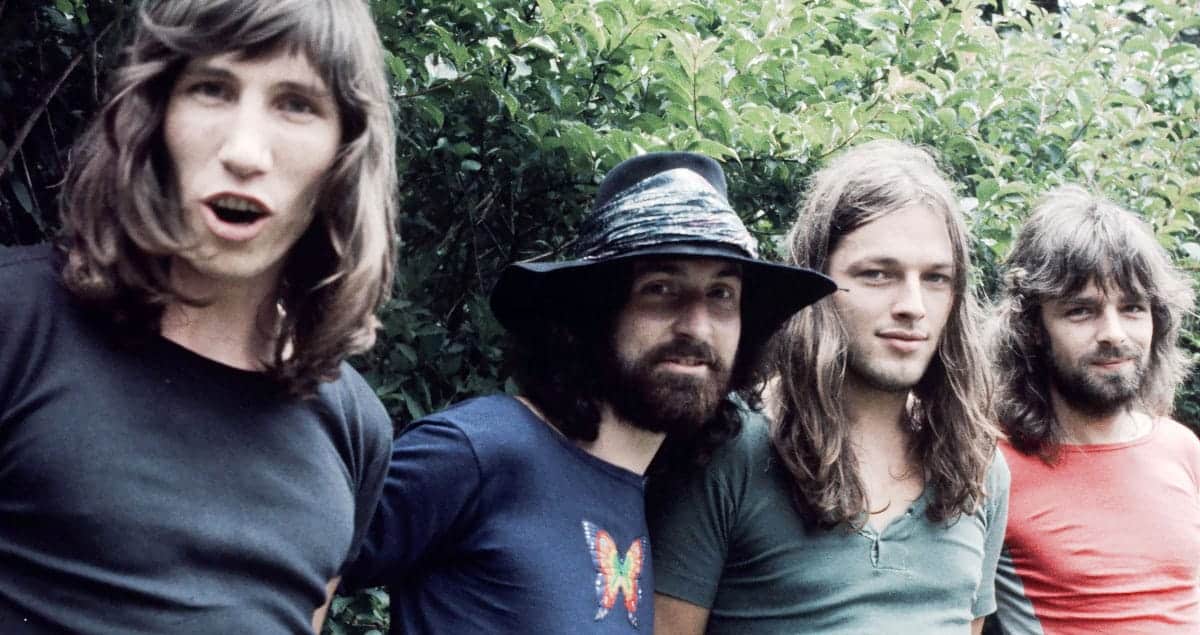
Pink Floyd: The Band That Turned Rock into Architecture
Quick Facts
Founded: 1965
Origin: London, England
Genres: Progressive Rock, Psychedelic Rock, Art Rock
Classic Line-Up: Roger Waters, David Gilmour, Richard Wright, Nick Mason
Years Active: 1965–1995
Origin Story – From Art School to Psychedelic Chaos
Pink Floyd was not born in a garage. It was born in a classroom.
In mid-1960s London, architecture students Roger Waters, Nick Mason, and Richard Wright were experimenting with rhythm and blues covers. They were competent, but not revolutionary.
Everything changed when Syd Barrett entered the picture.
Barrett was different. He wrote surreal, childlike, sometimes unsettling lyrics. He treated the guitar less like an instrument and more like a texture machine. He renamed the band by merging the names of blues musicians Pink Anderson and Floyd Council.
By 1967, Pink Floyd became the house band of London’s underground psychedelic scene. Light projections, extended improvisations, sonic abstraction. Their debut album The Piper at the Gates of Dawn captured that chaotic brilliance.
But the brilliance was unstable.
The First Turning Point – Losing the Founder
Syd Barrett’s mental state deteriorated rapidly during touring. He became distant, unpredictable, and sometimes unable to perform.
The band faced a brutal decision.
They brought in David Gilmour to support Barrett live. Within months, Barrett was gone.
This moment could have ended the band. Instead, it forced reinvention.
Without Barrett’s surreal spontaneity, Pink Floyd became more structured, more architectural. Roger Waters gradually took conceptual control. Gilmour provided melodic clarity and emotional precision.
Pink Floyd stopped being psychedelic chaos and started becoming progressive design.
The Breakthrough – The Dark Side of the Moon
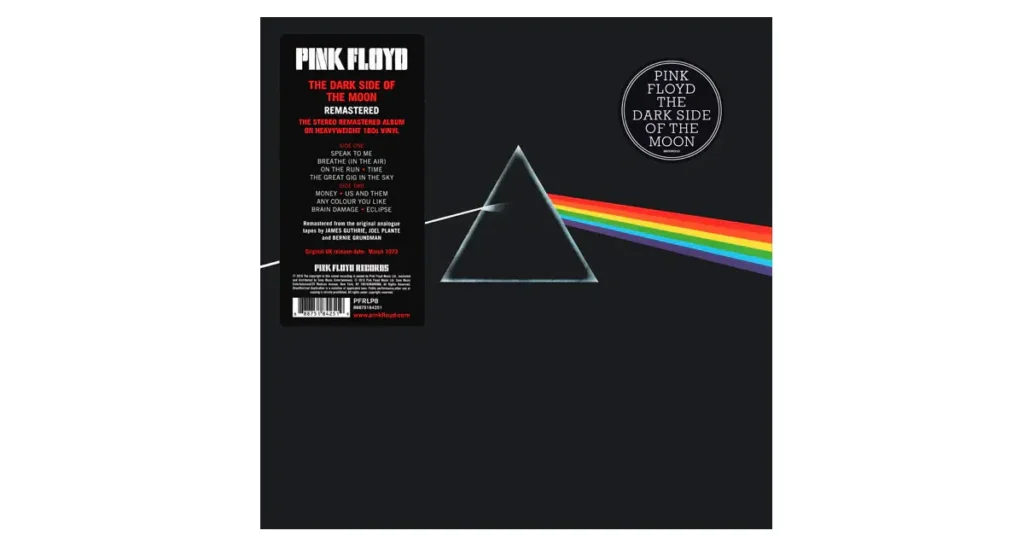
In 1973, Pink Floyd released The Dark Side of the Moon.
It was not just an album. It was a statement.
Themes of time, greed, mental instability, and mortality were woven into a seamless sonic experience. Tracks flowed into one another without interruption. Sound effects became narrative tools.
The album remained on the Billboard charts for over 900 weeks.
Commercial success arrived — but so did pressure.
The Milestone Album – The Dark Side of the Moon (1973)
Why this album?
Because it defined the Pink Floyd blueprint:
Conceptual unity
Studio innovation
Emotional restraint
Atmosphere over speed
The production techniques — tape loops, heartbeat rhythms, spoken interviews layered into songs — pushed rock into cinematic territory.
It wasn’t loud. It wasn’t flashy.
It was immersive.
Signature Song – Comfortably Numb
Released on The Wall (1979), “Comfortably Numb” became the emotional summit of Pink Floyd’s catalogue.
Written by Roger Waters and David Gilmour, the song explores detachment and isolation. The verses are cold, almost clinical. Then comes the chorus — and Gilmour’s guitar solo.
That solo is controlled fire.
It doesn’t rush. It doesn’t shred. It ascends slowly, building tension and release with surgical phrasing. Live performances turned it into something nearly spiritual.
If one song represents Pink Floyd’s balance between concept and emotion, this is it.
Internal Fracture – Waters Takes Control
With albums like Animals and The Wall, Roger Waters became the dominant creative force. The themes grew darker. Cynicism replaced wonder.
Internal tension increased.
Keyboardist Richard Wright was temporarily dismissed during The Wall sessions. By 1985, Waters left the band entirely, declaring it finished.
But it wasn’t.
David Gilmour and Nick Mason continued under the Pink Floyd name, releasing A Momentary Lapse of Reason and The Division Bell.
The band survived — but transformed.
Members
Roger Waters – Bass, Conceptual direction
David Gilmour – Guitar, Vocals
Richard Wright – Keyboards
Nick Mason – Drums
Syd Barrett – Founder, Guitar (1965–1968)
Studio Discography
The Piper at the Gates of Dawn (1967)
A Saucerful of Secrets (1968)
More (1969)
Ummagumma (1969)
Atom Heart Mother (1970)
Meddle (1971)
Obscured by Clouds (1972)
The Dark Side of the Moon (1973)
Wish You Were Here (1975)
Animals (1977)
The Wall (1979)
The Final Cut (1983)
A Momentary Lapse of Reason (1987)
The Division Bell (1994)
The Endless River (2014)
Legacy
Pink Floyd changed the expectation of what a rock band could be.
They proved that albums could function as unified conceptual art. They expanded production boundaries. They influenced progressive rock, alternative rock, and ambient music.
But more importantly:
They made silence meaningful.
They made atmosphere structural.
They made emotion architectural.