
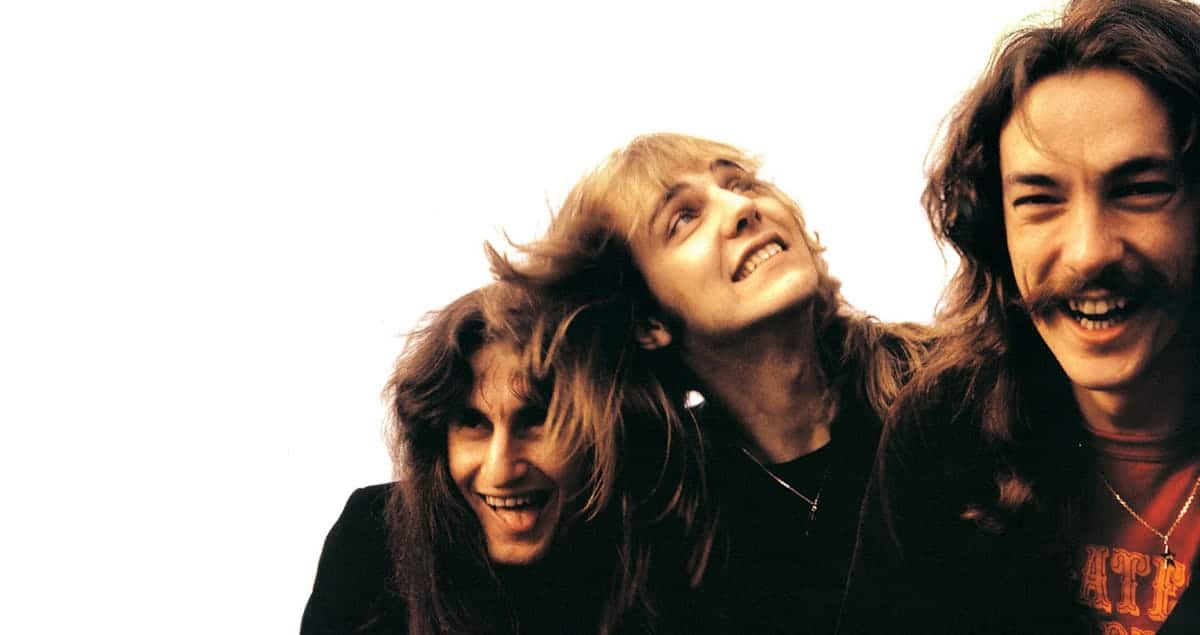
Rush

Rush: Hassasiyet, Kavramsal Derinlik ve İlerici Rock’ın Mimarisi

Hızlı Bilgiler

Kuruluş: 1968
Köken: Toronto, Ontario, Kanada
Türler: İlerici Rock, Sert Rock
Klasik Kadro: Geddy Lee, Alex Lifeson, Neil Peart
Faaliyet Yılları: 1968–2018


Köken Hikayesi – Güç Trio’dan İlerici Kimliğe

Rush, 1968 yılında Toronto’da kuruldu. İlk kadro, gitarist Alex Lifeson, basçı ve vokalist Geddy Lee ve davulcu John Rutsey’den oluşuyordu. Kendilerini adlandırdıkları ilk albümleri, Rush (1974), sert rock’a ağırlık vererek Led Zeppelin ve diğer Britanya gruplarının etkisini yansıtıyordu.

Ancak, Rutsey albümün çıkışından kısa bir süre sonra sağlık sorunları ve yaratıcı farklılıklar nedeniyle gruptan ayrıldı. 1974’te Neil Peart ile değiştirildi.

Peart’ın gelişi, grubun yapısal dönüşümünü işaret etti.

Birçok rock davulcusunun aksine, Peart teknik hassasiyet ve edebiyata güçlü bir ilgi getirdi. Hızla ana söz yazarı haline geldi ve felsefi ve anlatı temalarını tanıttı.

Rush, düz sert rock’tan ilerici kompozisyona geçiş yaptı.


Dönüm Noktası – 2112 (1976)

Orta derecede deneysel albüm Caress of Steel (1975) karışık bir ticari yanıt aldıktan sonra, grup seslerini basitleştirmek için baskı altında kaldı.

Bunun yerine, hırslarını iki katına çıkardılar.

1976’da yayımlanan 2112, albümün ilk yarısını kaplayan 20 dakikalık bir başlık suite’ine sahipti. Kompozisyon bölümlere ayrılmıştı ve bireysel ifade ile otoriter kontrol arasındaki distopik bir hikaye anlatıyordu.

Albümün yapısı şunları vurguladı:

  • Çok parçalı kompozisyon

  • Dinamik tempo değişimleri

  • Tematik süreklilik

Şarkıları kısaltmak yerine, Rush onları genişletti.

2112, ticari bir atılım haline geldi ve uzun vadeli yaratıcı özerkliklerini güvence altına aldı.


Dönüm Noktası Albümü – Moving Pictures (1981)

Her ne kadar 2112 ilerici kimliklerini kurmuş olsa da, Moving Pictures (1981) karmaşıklığı erişilebilirlik ile dengeledi.

Albüm, teknik derinliği terk etmeden daha sıkı şarkı yapıları içeriyordu.

Ana parçalar şunlardır:

  • “Tom Sawyer”

  • “Limelight”

  • “YYZ”

Prodüksiyon net ve hassastı. Geddy Lee’nin bas hatları melodik ağırlık taşıyordu. Alex Lifeson’ın gitar çalışı aşırı değil, kontrollüydü. Neil Peart’ın davulculuğu, alışılmadık zaman imzalarını rock çerçevelerine sorunsuz bir şekilde entegre etti.

Moving Pictures, en ticari olarak başarılı albümleri haline geldi.

İlerici rock’ın basitleştirme olmadan ana akım çekiciliği elde edebileceğini gösterdi.

Rush + Moving Pictures + Album


İmza Şarkısı – Tom Sawyer

“Tom Sawyer”, değişen bir zaman imzası ve katmanlı synthesizer dokuları etrafında yapılandırılmıştır.

Şarkı şunları birleştirir:

  • Tekrarlayan bas odaklı motifler

  • Temiz gitar ifadesi

  • Kontrollü dinamik yükseliş

Neil Peart’ın sözleri, bireysellik ve öz algıyı ele alır ve grubun felsefi odaklarıyla tutarlıdır.

Enstrümantal ara bölüm, üçlünün teknik senkronizasyonunu vurgular.

Parça, ilerici rock’ın ana akım radyoya girmesinin en tanınabilir örneklerinden biri olmaya devam etmektedir.


Üçlü Format – Enstrümantal Disiplin

Rush’ın kimliği, üçlü yapılandırmasıyla şekillendi.

Ek enstrümantal katmanlar olmadan, her üye genişletilmiş bir alanı kapladı:

  • Geddy Lee bas, klavye ve vokalleri üstlendi.

  • Alex Lifeson ritim ve solo gitar görevlerini dengeledi.

  • Neil Peart’ın davulculuğu, teknik dolgu ve karmaşık ritmik yapıları içeriyordu.

Ek müzisyenlerin yokluğu, hassasiyet gerektiriyordu. Her parça yapısal netliği sağlamalıydı.

Büyük ilerici grupların geniş enstrümantasyonuna kıyasla, Rush yoğunluğu ses hacmü yerine düzenleme ile sürdürdü.


1980’lerdeki Evrim

1980’lerde, Rush synthesizer’ları daha belirgin bir şekilde entegre etti. Signals (1982) ve Grace Under Pressure (1984) gibi albümler elektronik dokuları ve daha kısa kompozisyonları yansıttı.

Bu değişim, ilerici unsurları ortadan kaldırmadı, ancak vurguyu gitardan klavyeye yeniden dağıttı.

1980’lerin sonları ve 1990’larda, grup ağır gitar varlığını kademeli olarak yeniden tanıtırken, akıcı yapıları korudu.

Uyum sağlama yetenekleri, radikal bir yeniden icat olmadan güncel kalmalarını sağladı.


Üyeler

Geddy Lee – Bas, Vokaller, Klavyeler
Alex Lifeson – Gitar
Neil Peart – Davullar, Ana Söz Yazarı

Neil Peart, 2015’teki emekliliği ve 2020’deki vefatına kadar grubun ana kavramsal mimarı olarak kaldı.


Seçilen Stüdyo Diskografisi Öne Çıkanlar

Rush (1974)
2112 (1976)
A Farewell to Kings (1977)
Hemispheres (1978)
Moving Pictures (1981)
Signals (1982)
Grace Under Pressure (1984)
Counterparts (1993)
Clockwork Angels (2012)


Rock’a Yapısal Katkı

Rush, rock müziğini ölçülebilir şekillerde etkiledi:

  1. Teknik Müzisyenliğin Ana Akım Rock’a Entegrasyonu
    Karmaşık zaman imzaları radyo dostu formatlara girdi.

  2. Felsefi Lirizm
    Temalar, tipik rock konularının ötesine geçerek edebiyat ve politik yansımalar içerdi.

  3. Üçlü Verimlilik Modeli
    Minimal personelin kompozisyon yoğunluğunu elde edebileceğini gösterdi.

  4. Tür Köprüsü
    Sert rock enerjisini ilerici yapısal hırs ile bağladı.

Tiyatrosal ilerici gruplar veya agresif metal gruplarının aksine, Rush hassasiyet ve dengeyi önceliklendirdi.


Miras

Rush, rock tarihindeki belirgin bir konumu işgal eder.

Ne tamamen ana akım ne de tamamen yeraltıydılar. İzleyicileri sadık kaldı ve müzisyenlikleri türler arasında saygı gördü.

Önemleri yapısal disiplinlerinde yatmaktadır.

Teknik karmaşıklığın netlik ile bir arada var olabileceğini gösterdiler.

Rush, ilerici rock’ı sulandırmadı.

Onu daha geniş rock çerçevesi içinde istikrara kavuşturdular.

Rush

Rush: Precisie, Conceptuele Diepgang en de Architectuur van Progressieve Rock

Feiten

Opgericht: 1968
Herkomst: Toronto, Ontario, Canada
Genres: Progressieve Rock, Hard Rock
Classic Line-Up: Geddy Lee, Alex Lifeson, Neil Peart
Actieve Jaren: 1968–2018


Oorsprongsverhaal – Van Power Trio naar Progressieve Identiteit

Rush werd in 1968 opgericht in Toronto. De vroege line-up bestond uit gitarist Alex Lifeson, bassist en vocalist Geddy Lee, en drummer John Rutsey. Hun zelfgetitelde debuutalbum, Rush (1974), leunde sterk naar hard rock, wat de invloed van Led Zeppelin en andere Britse acts weerspiegelde.

Echter, Rutsey vertrok kort na de release van het album vanwege gezondheidsproblemen en creatieve verschillen. Hij werd in 1974 vervangen door Neil Peart.

De komst van Peart markeerde de structurele transformatie van de band.

In tegenstelling tot veel rockdrummers bracht Peart technische precisie en een sterke interesse in literatuur. Hij werd al snel de belangrijkste tekstschrijver en introduceerde filosofische en narratieve thema’s.

Rush maakte de overgang van rechttoe rechtaan hard rock naar progressieve compositie.


Het Keerpunt – 2112 (1976)

Na het gematigd experimentele album Caress of Steel (1975), dat gemengde commerciële reacties ontving, stond de band onder druk om hun geluid te vereenvoudigen.

In plaats daarvan verdubbelden ze hun ambitie.

Uitgebracht in 1976, bevatte 2112 een 20 minuten durende titelsuite die de eerste helft van het album besloeg. De compositie was verdeeld in secties en vertelde een dystopisch verhaal over individuele expressie versus autoritaire controle.

De structuur van het album benadrukte:

  • Meerdelige compositie

  • Dynamische tempoveranderingen

  • Thema continuïteit

In plaats van nummers in te korten, breidde Rush ze uit.

2112 werd hun commerciële doorbraak en verzekerde hun langdurige creatieve autonomie.


Mijlpaal Album – Moving Pictures (1981)

Terwijl 2112 hun progressieve identiteit vestigde, balanceerde Moving Pictures (1981) complexiteit met toegankelijkheid.

Het album incorporateerde strakkere songstructuren zonder technische diepgang op te geven.

Belangrijke nummers zijn onder andere:

  • “Tom Sawyer”

  • “Limelight”

  • “YYZ”

De productie was helder en precies. Geddy Lee’s baslijnen droegen melodisch gewicht. Alex Lifeson’s gitaarwerk was gecontroleerd in plaats van overdadig. Neil Peart’s drummen integreerde vreemde maatsoorten naadloos in rockstructuren.

Moving Pictures werd hun meest commercieel succesvolle album.

Het toonde aan dat progressieve rock mainstream aantrekkingskracht kon bereiken zonder vereenvoudiging.

Rush + Moving Pictures + Album


Handtekening Nummer – Tom Sawyer

“Tom Sawyer” is gestructureerd rond een verschuivende maatsoort en gelaagde synthesizertexturen.

Het nummer combineert:

  • Repetitieve basgedreven motieven

  • Schone gitaarfrases

  • Gecontroleerde dynamische opbouw

Neil Peart’s teksten behandelen individualisme en zelfperceptie, consistent met de filosofische focus van de band.

Het instrumentale middenstuk benadrukt de technische synchronisatie van het trio.

Het nummer blijft een van de meest herkenbare voorbeelden van progressieve rock die de mainstream radio binnenkomt.


Het Trio Formaat – Instrumentale Discipline

Rush’s identiteit werd gevormd door zijn trio-configuratie.

Zonder extra instrumentale lagen, nam elk lid een uitgebreidere ruimte in:

  • Geddy Lee verzorgde bas, toetsen en zang.

  • Alex Lifeson balanceerde ritme- en leadgitaarverplichtingen.

  • Neil Peart’s drummen incorporateerde technische fills en complexe ritmische structuren.

De afwezigheid van extra muzikanten vereiste precisie. Elk deel moest dienen voor structurele helderheid.

In tegenstelling tot grotere progressieve bands met uitgebreide instrumentatie, handhaafde Rush dichtheid door middel van arrangement in plaats van volume.


Evolutie in de Jaren ’80

Tijdens de jaren ’80 incorporateerde Rush synthesizers prominenter. Albums zoals Signals (1982) en Grace Under Pressure (1984) weerspiegelden elektronische texturen en kortere composities.

De verschuiving elimineerde de progressieve elementen niet, maar herverdeelde de nadruk van gitaar naar toetsen.

Tegen het einde van de jaren ’80 en in de jaren ’90 introduceerde de band geleidelijk een zwaardere gitaarpresence terwijl ze gestroomlijnde structuren behielden.

Hun aanpassingsvermogen stelde hen in staat relevant te blijven zonder radicale heruitvinding.


Leden

Geddy Lee – Bas, Zang, Toetsen
Alex Lifeson – Gitaar
Neil Peart – Drums, Hoofdtekstschrijver

Neil Peart bleef de belangrijkste conceptuele architect van de band tot zijn pensioen in 2015 en overlijden in 2020.


Geselecteerde Hoogtepunten uit de Studio Discografie

Rush (1974)
2112 (1976)
A Farewell to Kings (1977)
Hemispheres (1978)
Moving Pictures (1981)
Signals (1982)
Grace Under Pressure (1984)
Counterparts (1993)
Clockwork Angels (2012)


Structurele Bijdrage aan Rock

Rush beïnvloedde rockmuziek op meetbare manieren:

  1. Integratie van Technisch Muzikantenschap in Mainstream Rock
    Complexe maatsoorten kwamen in radio-vriendelijke formats.

  2. Filosofische Lyriek
    Thema’s gingen verder dan typische rockonderwerpen naar literatuur en politieke reflectie.

  3. Trio Efficiëntiemodel
    Toonde aan dat minimale personeelsbezetting compositiedichtheid kon bereiken.

  4. Genrebrug
    Verbindt de energie van hard rock met progressieve structurele ambitie.

In tegenstelling tot theatrale progressieve acts of agressieve metalbands, gaf Rush prioriteit aan precisie en balans.


Erfenis

Rush neemt een unieke positie in de rockgeschiedenis in.

Ze waren noch puur mainstream, noch uitsluitend underground. Hun publiek bleef loyaal, en hun muzikantschap werd gerespecteerd in verschillende genres.

Hun betekenis ligt in structurele discipline.

Ze toonden aan dat technische complexiteit kan samenleven met helderheid.

Rush heeft progressieve rock niet verdund.

Ze stabiliseerden het binnen het bredere rockkader.

Rush

Rush: Präzision, konzeptionelle Tiefe und die Architektur des progressiven Rocks

Fakten

Gegründet: 1968
Herkunft: Toronto, Ontario, Kanada
Genres: Progressiver Rock, Hard Rock
Klassische Besetzung: Geddy Lee, Alex Lifeson, Neil Peart
Aktive Jahre: 1968–2018


Ursprungsgeschichte – Vom Power-Trio zur progressiven Identität

Rush wurde 1968 in Toronto gegründet. Die frühe Besetzung bestand aus dem Gitarristen Alex Lifeson, dem Bassisten und Sänger Geddy Lee und dem Schlagzeuger John Rutsey. Ihr selbstbetiteltes Debütalbum, Rush (1974), neigte stark zur Hard Rock, was den Einfluss von Led Zeppelin und anderen britischen Acts widerspiegelte.

Allerdings verließ Rutsey kurz nach der Veröffentlichung des Albums aufgrund von Gesundheitsproblemen und kreativen Differenzen. Er wurde 1974 durch Neil Peart ersetzt.

Der Eintritt von Peart markierte die strukturelle Transformation der Band.

Im Gegensatz zu vielen Rock-Schlagzeugern brachte Peart technische Präzision und ein starkes Interesse an Literatur mit. Er wurde schnell der Haupttexter und führte philosophische und narrative Themen ein.

Rush vollzog den Übergang von geradlinigem Hard Rock zu progressiver Komposition.


Der Wendepunkt – 2112 (1976)

Nach dem moderat experimentellen Album Caress of Steel (1975), das gemischte kommerzielle Reaktionen erhielt, stand die Band unter Druck, ihren Sound zu vereinfachen.

Stattdessen verdoppelten sie ihre Ambitionen.

Veröffentlicht 1976, enthielt 2112 eine 20-minütige Titelsuite, die die erste Hälfte des Albums umfasste. Die Komposition war in Abschnitte unterteilt und erzählte eine dystopische Geschichte über individuelle Ausdrucksformen versus autoritäre Kontrolle.

Die Struktur des Albums betonte:

  • Mehrteilige Komposition

  • Dynamische Tempoänderungen

  • Themenkontinuität

Anstatt die Songs zu kürzen, erweiterte Rush sie.

2112 wurde ihr kommerzieller Durchbruch und sicherte ihre langfristige kreative Autonomie.


Meilenstein-Album – Moving Pictures (1981)

Während 2112 ihre progressive Identität festigte, balancierte Moving Pictures (1981) Komplexität mit Zugänglichkeit.

Das Album integrierte straffere Songstrukturen, ohne technische Tiefe aufzugeben.

Wichtige Songs sind unter anderem:

  • “Tom Sawyer”

  • “Limelight”

  • “YYZ”

Die Produktion war klar und präzise. Geddy Lees Basslinien trugen melodisches Gewicht. Alex Lifesons Gitarrenarbeit war kontrolliert statt überladen. Neil Pearts Schlagzeugspiel integrierte ungerade Taktarten nahtlos in Rockstrukturen.

Moving Pictures wurde ihr kommerziell erfolgreichstes Album.

Es zeigte, dass progressiver Rock Mainstream-Anziehungskraft erreichen konnte, ohne vereinfacht zu werden.

Rush + Moving Pictures + Album


Signatursong – Tom Sawyer

“Tom Sawyer” ist um einen wechselnden Takt und geschichtete Synthesizertexturen strukturiert.

Der Song kombiniert:

  • Repetitive, bassgetriebene Motive

  • Saubere Gitarrenphrasen

  • Kontrollierte dynamische Steigerung

Neil Pearts Texte behandeln Individualismus und Selbstwahrnehmung, was mit dem philosophischen Fokus der Band übereinstimmt.

Das instrumentale Mittelstück betont die technische Synchronisation des Trios.

Der Song bleibt eines der bekanntesten Beispiele für progressiven Rock, das in den Mainstream-Radio kommt.


Das Trio-Format – Instrumentale Disziplin

Rushs Identität wurde durch seine Trio-Konfiguration geprägt.

Ohne zusätzliche instrumentale Schichten nahm jedes Mitglied einen umfassenderen Raum ein:

  • Geddy Lee übernahm Bass, Keyboards und Gesang.

  • Alex Lifeson balancierte Rhythmus- und Leadgitarrenpflichten.

  • Neil Pearts Schlagzeugspiel integrierte technische Fills und komplexe rhythmische Strukturen.

Die Abwesenheit zusätzlicher Musiker erforderte Präzision. Jedes Teil musste der strukturellen Klarheit dienen.

Im Gegensatz zu größeren progressiven Bands mit umfangreicher Instrumentierung hielt Rush die Dichte durch Arrangement statt durch Lautstärke aufrecht.


Evolution in den 80ern

In den 80ern integrierte Rush Synthesizer prominenter. Alben wie Signals (1982) und Grace Under Pressure (1984) spiegelten elektronische Texturen und kürzere Kompositionen wider.

Die Verschiebung eliminierte nicht die progressiven Elemente, sondern verteilte den Fokus von Gitarre auf Keyboards.

Gegen Ende der 80er und in den 90ern führte die Band schrittweise eine schwerere Gitarrenpräsenz ein, während sie schlanke Strukturen beibehielt.

Ihre Anpassungsfähigkeit ermöglichte es ihnen, relevant zu bleiben, ohne radikale Neuerfindungen.


Mitglieder

Geddy Lee – Bass, Gesang, Keyboards
Alex Lifeson – Gitarre
Neil Peart – Schlagzeug, Haupttexter

Neil Peart blieb bis zu seinem Ruhestand 2015 und seinem Tod 2020 der Hauptarchitekt der Band.


Ausgewählte Höhepunkte aus der Studio-Diskografie

Rush (1974)
2112 (1976)
A Farewell to Kings (1977)
Hemispheres (1978)
Moving Pictures (1981)
Signals (1982)
Grace Under Pressure (1984)
Counterparts (1993)
Clockwork Angels (2012)


Struktureller Beitrag zum Rock

Rush beeinflusste die Rockmusik auf messbare Weise:

  1. Integration von technischem Musizieren in den Mainstream-Rock
    Komplexe Taktarten kamen in radiofreundlichen Formaten.

  2. Philosophische Lyrik
    Themen gingen über typische Rockthemen hinaus zu Literatur und politischer Reflexion.

  3. Trio-Effizienzmodell
    Zeigte, dass minimale Personalbesetzung Kompositionsdichte erreichen konnte.

  4. Genrebrücke
    Verbindet die Energie des Hard Rock mit progressiven strukturellen Ambitionen.

Im Gegensatz zu theatralischen progressiven Acts oder aggressiven Metalbands gab Rush Präzision und Balance den Vorrang.


Vermächtnis

Rush nimmt eine einzigartige Position in der Rockgeschichte ein.

Sie waren weder rein mainstream noch ausschließlich underground. Ihr Publikum blieb loyal, und ihr Musizieren wurde in verschiedenen Genres respektiert.

Ihre Bedeutung liegt in struktureller Disziplin.

Sie zeigten, dass technische Komplexität mit Klarheit koexistieren kann.

Rush hat den progressiven Rock nicht verwässert.

Sie stabilisierten ihn innerhalb des breiteren Rockrahmens.

Rush

Rush: Precision, Conceptual Depth, and the Architecture of Progressive Rock

Quick Facts

Founded: 1968
Origin: Toronto, Ontario, Canada
Genres: Progressive Rock, Hard Rock
Classic Line-Up: Geddy Lee, Alex Lifeson, Neil Peart
Years Active: 1968–2018


Origin Story – From Power Trio to Progressive Identity

Rush was formed in 1968 in Toronto. The early lineup included guitarist Alex Lifeson, bassist and vocalist Geddy Lee, and drummer John Rutsey. Their self-titled debut album, Rush (1974), leaned heavily toward hard rock, reflecting the influence of Led Zeppelin and other British acts.

However, Rutsey departed shortly after the album’s release due to health issues and creative differences. He was replaced by Neil Peart in 1974.

Peart’s arrival marked the band’s structural transformation.

Unlike many rock drummers, Peart brought technical precision and a strong interest in literature. He quickly became the primary lyricist, introducing philosophical and narrative themes.

Rush transitioned from straightforward hard rock into progressive composition.


The Turning Point – 2112 (1976)

After the moderately experimental album Caress of Steel (1975) received mixed commercial response, the band faced pressure to simplify their sound.

Instead, they doubled down on ambition.

Released in 1976, 2112 featured a 20-minute title suite occupying the first half of the album. The composition was divided into sections, telling a dystopian story about individual expression versus authoritarian control.

The album’s structure emphasized:

  • Multi-part composition

  • Dynamic tempo shifts

  • Thematic continuity

Rather than shortening songs, Rush expanded them.

2112 became their commercial breakthrough and secured their long-term creative autonomy.


Milestone Album – Moving Pictures (1981)

While 2112 established their progressive identity, Moving Pictures (1981) balanced complexity with accessibility.

The album incorporated tighter song structures without abandoning technical depth.

Key tracks include:

  • “Tom Sawyer”

  • “Limelight”

  • “YYZ”

The production was clear and precise. Geddy Lee’s bass lines carried melodic weight. Alex Lifeson’s guitar work was controlled rather than excessive. Neil Peart’s drumming integrated odd time signatures seamlessly into rock frameworks.

Moving Pictures became their most commercially successful album.

It demonstrated that progressive rock could achieve mainstream appeal without simplification.
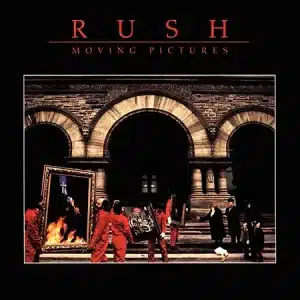
Rush + Moving Pictures + Album


Signature Song – Tom Sawyer

“Tom Sawyer” is structured around a shifting time signature and layered synthesizer textures.

The song combines:

  • Repetitive bass-driven motifs

  • Clean guitar phrasing

  • Controlled dynamic build

Neil Peart’s lyrics address individualism and self-perception, consistent with the band’s philosophical focus.

The instrumental midsection highlights the trio’s technical synchronization.

The track remains one of the most recognizable examples of progressive rock entering mainstream radio.


The Trio Format – Instrumental Discipline

Rush’s identity was shaped by its trio configuration.

Without additional instrumental layers, each member occupied expanded space:

  • Geddy Lee handled bass, keyboards, and vocals.

  • Alex Lifeson balanced rhythm and lead guitar duties.

  • Neil Peart’s drumming incorporated technical fills and complex rhythmic structures.

The absence of additional musicians required precision. Each part had to serve structural clarity.

Unlike larger progressive bands with extensive instrumentation, Rush maintained density through arrangement rather than volume.


Evolution in the 1980s

During the 1980s, Rush incorporated synthesizers more prominently. Albums such as Signals (1982) and Grace Under Pressure (1984) reflected electronic textures and shorter compositions.

The shift did not eliminate progressive elements but redistributed emphasis from guitar to keyboard.

By the late 1980s and 1990s, the band gradually reintroduced heavier guitar presence while maintaining streamlined structures.

Their adaptability allowed them to remain relevant without radical reinvention.


Members

Geddy Lee – Bass, Vocals, Keyboards
Alex Lifeson – Guitar
Neil Peart – Drums, Primary Lyricist

Neil Peart remained the band’s primary conceptual architect until his retirement in 2015 and passing in 2020.


Selected Studio Discography Highlights

Rush (1974)
2112 (1976)
A Farewell to Kings (1977)
Hemispheres (1978)
Moving Pictures (1981)
Signals (1982)
Grace Under Pressure (1984)
Counterparts (1993)
Clockwork Angels (2012)


Structural Contribution to Rock

Rush influenced rock music in measurable ways:

  1. Integration of Technical Musicianship into Mainstream Rock
    Complex time signatures entered radio-friendly formats.

  2. Philosophical Lyricism
    Themes extended beyond typical rock subject matter into literature and political reflection.

  3. Trio Efficiency Model
    Demonstrated that minimal personnel could achieve compositional density.

  4. Genre Bridge
    Connected hard rock energy with progressive structural ambition.

Unlike theatrical progressive acts or aggressive metal bands, Rush prioritized precision and balance.


Legacy

Rush occupies a distinct position in rock history.

They were neither purely mainstream nor exclusively underground. Their audience remained loyal, and their musicianship respected across genres.

Their significance lies in structural discipline.

They demonstrated that technical complexity could coexist with clarity.

Rush did not dilute progressive rock.

They stabilized it within the broader rock framework.