
Black Sabbath’s Debut Album: The Birth of Heavy Metal
Introduction
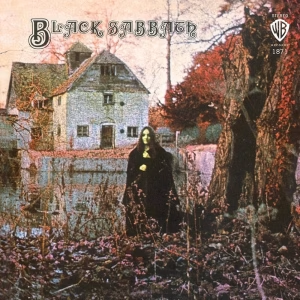
When Black Sabbath released their self-titled debut album Black Sabbath in February 1970, few people realized that they were witnessing the birth of a new genre. The record introduced a darker, heavier sound that would later define heavy metal music.
Emerging from the industrial city of Birmingham, the band created music that reflected the harsh atmosphere of working-class Britain. Their slow, ominous riffs and haunting lyrics stood in stark contrast to the psychedelic optimism that had dominated rock music in the late 1960s.
The album did more than launch a successful band—it fundamentally changed the direction of rock music.
The Origins of the Album
Before becoming Black Sabbath, the band originally performed under the name Earth, playing blues-influenced rock similar to many British bands of the era.
However, guitarist Tony Iommi, bassist and lyricist Geezer Butler, vocalist Ozzy Osbourne, and drummer Bill Ward soon realized they wanted to create something darker and more intense.
Inspired by horror films and the unsettling atmosphere of their surroundings, the band began writing music that evoked fear, tension, and mystery.
This shift in artistic direction would soon give birth to a completely new sound.
The Legendary Opening Track
The album begins with the song “Black Sabbath,” one of the most important tracks in the history of heavy metal.
The track opens with the sound of rain, church bells, and thunder before introducing one of the most ominous guitar riffs ever recorded.
The riff is built around a musical interval historically known as the tritone, sometimes referred to as the “devil’s interval.” This dissonant sound helped create the eerie atmosphere that defined the band’s music.
With its slow tempo, dark lyrics, and haunting tone, the song effectively established the blueprint for heavy metal.
The Sound That Defined a Genre
Several musical elements made the album revolutionary.
Heavy Guitar Riffs
Tony Iommi’s guitar playing became the foundation of the heavy metal sound. His thick, distorted riffs were slower and heavier than anything that had come before in rock music.
Dark Lyrical Themes
Unlike the love songs and psychedelic imagery common in the late 1960s, Black Sabbath explored themes of:
fear
the supernatural
social anxiety
existential dread
These themes gave the album a uniquely dark identity.
Atmosphere and Mood
The album’s production emphasized atmosphere rather than polish. Its raw sound enhanced the feeling of tension and unease that ran throughout the record.
Recording the Album
The album was famously recorded in a single day in 1969 with a very limited budget.
Rather than relying on elaborate studio techniques, the band recorded the music largely live, capturing the raw energy of their performances.
This approach contributed to the album’s gritty, authentic sound—an element that later became a defining trait of heavy metal.
Critical Reception and Legacy
When the album was first released, critics were largely dismissive of its dark tone and heavy sound. However, audiences quickly connected with the music.
Over time, the album came to be recognized as one of the most important records in rock history.
Today, Black Sabbath’s debut album is widely regarded as the starting point of heavy metal.
The record influenced countless artists and helped shape the future of rock music, giving rise to genres such as:
doom metal
thrash metal
stoner rock
extreme metal
Few albums have had such a profound impact on the evolution of modern music.
Why the Album Still Matters
More than fifty years after its release, Black Sabbath remains a powerful listening experience.
Its dark atmosphere, groundbreaking guitar work, and uncompromising vision continue to resonate with listeners around the world.
What began as a modest recording by four musicians from Birmingham ultimately became the foundation of an entire musical movement.