
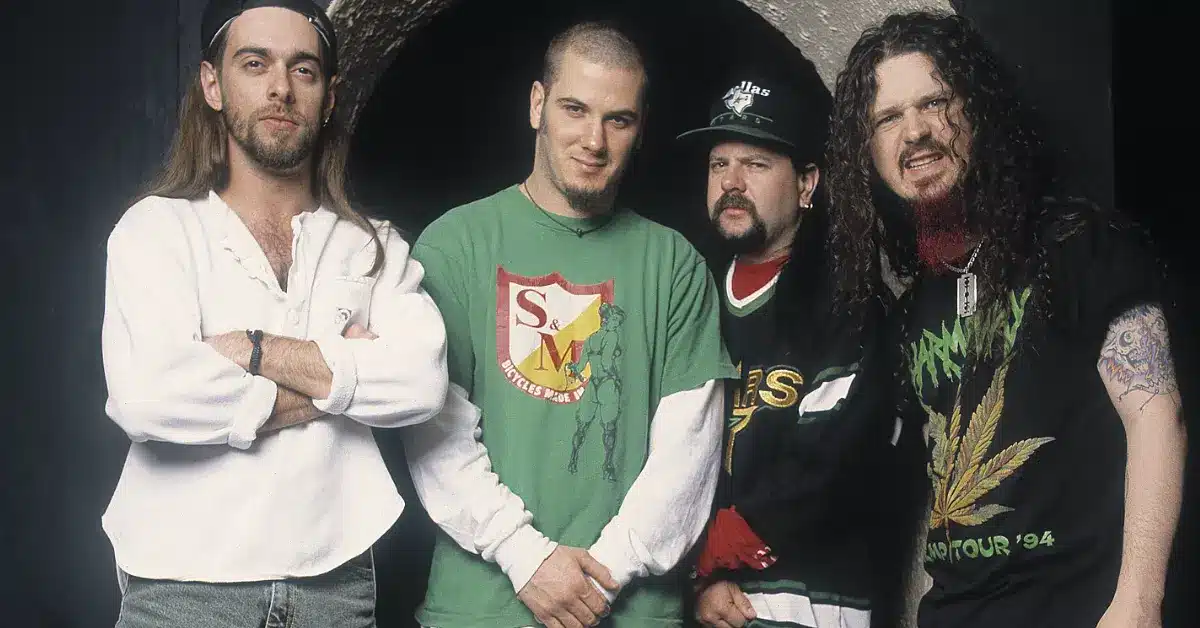
Pantera

Pantera: Yeniden Yaratım, Groove ve 1990’larda Heavy Metal’in Yeniden Tanımlanması

Hızlı Bilgiler

Kuruluş: 1981
Köken: Arlington, Texas, ABD
Türler: Heavy Metal, Groove Metal, Thrash Metal (son dönem)
Klasik Kadro: Phil Anselmo, Dimebag Darrell, Rex Brown, Vinnie Paul
Faaliyet Yılları: 1981–2003


Köken Hikayesi – Glam Metal’den Yeniden Yaratıma

Pantera, 1981 yılında Arlington, Texas’ta kardeşler Dimebag Darrell (o zamanlar Diamond Darrell olarak biliniyordu) ve Vinnie Paul tarafından kuruldu. İlk yıllarında, grup daha sonra hakim olacağı müzikal ortamdan çok farklı bir ortamda faaliyet gösteriyordu.

1980’lerin başındaki Amerikan metal sahası hala glam ve geleneksel heavy metal tarafından şekillendirilmişti. Pantera’nın ilk bağımsız yayınları bu iklimi yansıtıyordu. Metal Magic (1983), Projects in the Jungle (1984) ve I Am the Night (1985) gibi albümler, gösterişli gitar çalışmaları, yüksek enerjili davul ritimleri ve daha geleneksel bir metal imajına yöneliyordu.

Bu erken kayıtlar tarihsel olarak önemlidir, ancak Pantera’nın mirasının temeli değildir.

Gerçek Pantera, grubun yön değiştirmesiyle başladı.

1986’da vokalist Phil Anselmo’nun eklenmesi, ilk büyük değişim oldu. Anselmo, daha agresif bir vokal tarzı ve daha ağır yeraltı metaline daha güçlü bir bağlantı getirdi. Aynı zamanda, Dimebag Darrell’in gitar çalma tarzı, gösterişli sololardan daha öteye evriliyordu. Odak noktası, daha sıkı ritim rifflerine, daha ağır tonlara ve daha perkusif bir ifadelere kaydı.

1980’lerin sonlarına gelindiğinde, Pantera hayatta kalmanın taklitten daha fazlasını gerektirdiğini anladı. Glam metal doygun hale geliyordu. Thrash metal, Metallica, Slayer, Megadeth ve Anthrax tarafından zaten kurulmuştu. Pantera’nın belirgin bir kimliğe ihtiyacı vardı.

Bunu yavaşlayarak buldular.

Bu karar heavy metal’i değiştirdi.


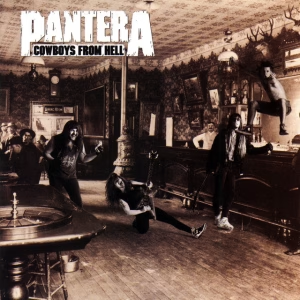
Dönüm Noktası – Cowboys from Hell (1990)

Cowboys from Hell, Pantera’nın Pantera olduğu noktadır.

1990’da yayımlanan bu albüm, grubun erken materyalinden kesin bir kopuşu işaret etti. İmaj değişti. Şarkı yazımı değişti. Gitar tonu değişti.

En önemlisi, ritmik felsefe değişti.

Pantera, thrash metalin sürekli hızını takip etmek yerine daha ağır, daha kontrollü bir yaklaşım geliştirdi. Riffler hala agresifti, ancak durmaksızın hızlanma yerine groove ve fiziksel etkiyi vurguluyordu.

Cowboys from Hell‘in ana yapısal özellikleri şunlardır:

  • Gitar ve davul arasında daha sıkı ritmik senkronizasyon

  • Daha perkusif riff yapısı

  • Daha güçlü dur-kalk dinamikleri kullanımı

  • Yüksek ton metal geleneği yerine agresyona dayalı bir vokal tarzı

Dimebag Darrell’in çalması, bu değişimin merkezinde yer aldı. O, hassasiyeti his ile birleştirdi. Riffleri keskin ama mekanik değildi. Soloları teknik olarak gelişmiş kalmaya devam etti, ancak momentumun önceliklendirildiği şarkılar içinde yer aldı.

“Cowboys from Hell” ve “Cemetery Gates” gibi parçalar, Pantera’nın hem acımasız hem de akılda kalıcı olabileceğini gösterdi.

Bu albüm sadece grubu yeniden konumlandırmakla kalmadı.

1990’lara giren heavy metal için yeni bir yapısal yol sundu.

pantera + cowboys from hell album


Dönüm Noktası Albümü – Vulgar Display of Power (1992)

Eğer Cowboys from Hell dönüşümü duyurduysa, Vulgar Display of Power bunu tamamladı.

1992’de yayımlanan bu albüm, Pantera’nın tanımlayıcı ifadesi olarak geniş çapta kabul edilmektedir. Heavy müzikte groove metalin baskın bir güç haline gelmesini resmileştiren kayıttır.

Bu noktada, grup 1980’lerin metal aşırılıklarının kalan izlerini tamamen ortadan kaldırmıştı. Prodüksiyon daha kuru, daha sert ve daha doğrudan oldu. Şarkılar etki için inşa edildi.

Ana parçalar şunlardır:

  • “Mouth for War”

  • “Walk”

  • “This Love”

  • “Fucking Hostile”

Albümün yapısal kimliği, zıtlık üzerine kuruludur.

Pantera, şunları dengeledi:

  • Orta tempolu groove bölümleri

  • Ani hız patlamaları

  • Kontrollü kırılma benzeri pasajlar

  • Yoğun ama son derece tanımlı gitar tonu

Phil Anselmo’nun vokalleri daha sert ve daha güçlü hale geldi. Klasik metal şarkıcılarının aralık ve sürdürme vurgusu yapmasının aksine, Anselmo saldırı, ifade ve korkutma üzerine odaklandı. Bu değişim, Pantera’yı gelişen aşırı metal diliyle daha yakın hale getirirken, onları ana akım metal dinleyicilerine de erişilebilir kıldı.

Dimebag Darrell’in bu albümdeki gitar tonu, modern metaldeki en etkili tonlardan biridir. Riffleri sadece distorsiyon nedeniyle ağır değildir. Zamanlama, susturma, senkop ve nota yerleşimi nedeniyle ağırdır.

Bu, Pantera’yı birçok taklitçiden ayıran şeydir.

Grup, ağırlığın sadece kazanç veya hızla ilgili olmadığını anladı.

Bu, ritmik otorite ile ilgilidir.


İmza Şarkısı – Walk

“Walk”, Pantera’nın en tanınabilir şarkısı ve 1990’ların heavy metalinin tanımlayıcı parçalarından biridir.

Gücü sadelikten gelir.

Ana riff, grubun diğer birçok şarkısından daha yavaştır, ancak bu tam olarak neden işe yaradığıdır. Etkiyi maksimize etmek için notalar arasında yeterince boşluk olan kontrollü, tekrarlanan bir desene dayanır.

“Walk”ın yapısı şunlara dayanır:

  • Orta tempolu groove

  • Minimal armonik hareket

  • Rifi destekleyen vokal ifadesi, onun üzerinde süzülmek yerine

  • Doğrudan sözlü iletimi olan akılda kalıcı bir nakarat

Phil Anselmo’nun “Walk”taki vokali, aşırı teatral olmadan karşıt bir tavır sergiliyor. Sözler doğrudan ve vurgulamak için inşa edilmiştir.

Dimebag’in solosu, zıtlık sağlar. Groove’u tamamen terk etmek yerine, soluk bölümü kaos ve gerilim enjekte eder, ardından şarkı ana desene geri döner.

“Walk”, verimliliği nedeniyle bir metal marşı haline geldi.

Kapsamlı hissetmek için karmaşıklık gerektirmez.

Bu, Pantera’nın merkezi ilkesini kanıtlar: groove, hızdan daha ağır olabilir.


Far Beyond Driven – Taviz Vermeden Ağırlık

1994’te Pantera, Far Beyond Driven albümünü çıkardı.

Bu noktada, alternatif rock ve grunge, ana akım rock kültürünü değiştirmişti. Birçok metal grubu ya seslerini yumuşatıyor ya da ticari önemlerini kaybediyordu.

Pantera bunun tersini yaptı.

Far Beyond Driven, Billboard 200’de bir numara olarak debut yaptı.

Bu gerçek önemlidir.

Bu kadar agresif, bu kadar sert ve bu kadar yapısal olarak taviz vermeyen bir kaydın zirveye ulaşması normal değildi. Bu, heavy metalin 1990’larda büyük ölçekli ticari güce sahip olduğunu gösterdi — eğer net bir kimliği varsa.

Albüm, grubu daha da aşırılığa itti:

  • Daha düşük akortlar

  • Daha sert vokal dokuları

  • Daha yoğun riffler

  • Daha aşındırıcı prodüksiyon kenarları

Bu bir crossover hareketi değildi. Bu bir tırmanıştı.

Pantera, ağırlığın radyo için yumuşatılmadan satılabileceğini kanıtladı.

Bu, onların en önemli katkılarından biriydi.


Dimebag ve Vinnie – Ritmik Çekirdek

Pantera’nın iç kimliği, Dimebag Darrell ve Vinnie Paul arasındaki kimyaya büyük ölçüde bağlıydı.

Bu, modern metaldeki en önemli yapısal ilişkilerdendir.

Dimebag’in riffleri, Vinnie’nin davuluyla sıkı bir şekilde kilitlenmek üzere tasarlanmıştı. Gitar sadece davulun üzerinde çalmıyordu. Ritmik ızgaraya entegre edilmişti.

Vinnie Paul’ün tarzı, güç ile netliği dengelediği için kritik öneme sahipti. Onun snare yerleşimi ve kick desenleri, Pantera’nın rifflerine fiziksel bir güç kazandırıyordu. Aşırı oynamıyordu. Groove’u pekiştiriyordu.

Rex Brown’un bası genellikle gitar hatlarını iki katına çıkararak, düzeni karıştırmadan ağırlık ekliyordu. Bu, gruba yoğun, birleşik bir düşük frekans varlığı kazandırıyordu.

Phil Anselmo, bu arada, daha geleneksel bir öncü gibi değil, ritim bölümünün bir uzantısı gibi hareket ediyordu. İfadesi genellikle groove’un içinde yer alıyordu, yukarıda süzülmek yerine.

Bu nedenle Pantera bu kadar uyumlu hissediliyor.

Her üye aynı ritmik amaca hizmet ediyordu.


The Southern Trendkill ve İçsel Çatlak

1990’ların ortalarına gelindiğinde, içsel gerilimler artıyordu.

The Great Southern Trendkill (1996), önceki yayınlardan daha karanlık, daha sert ve daha parçalıydı. Grubun en yoğun kayıtlarından biri olmaya devam ediyor, ancak aynı zamanda artan kişisel ve yaratıcı mesafeyi de yansıtıyor.

Phil Anselmo’nun yan projelerle ve madde sorunlarıyla olan ilgisi gerilim yarattı. Üyeler, 1990’ların başındaki birliği artık sürdüremiyordu.

Reinventing the Steel (2000), grubun temel kimliğini yeniden tesis etmeye çalıştı, ancak o zamana kadar kimya bozulmuştu.

Pantera, 2003’te resmi olarak dağıldı.

Aşamalı olarak önemsiz hale gelen grupların aksine, Pantera’nın sonu, ana materyallerinin kalitesi güçlü kaldığı için ani hissettiriyordu. Ayrılma, daha çok içsel çatlaklardan kaynaklanıyordu, sanatsal tükenmişlikten değil.

Bu, kataloglarının yoğun hissetmesini sağlıyor.

Temel dönemleri kısa ama son derece yoğun.


Üyeler

Phil Anselmo – Vokal
Dimebag Darrell – Gitar
Rex Brown – Bas
Vinnie Paul – Davul

Dimebag Darrell ve Vinnie Paul, kurucu çekirdeklerdi. Phil Anselmo’nun gelişi, mirasını tanımlayan grubun versiyonunu tamamladı.


Seçilen Stüdyo Diskografisi Öne Çıkanlar

Cowboys from Hell (1990)
Vulgar Display of Power (1992)
Far Beyond Driven (1994)
The Great Southern Trendkill (1996)
Reinventing the Steel (2000)

Erken Bağımsız Dönem (Başarı Öncesi)

Metal Magic (1983)
Projects in the Jungle (1984)
I Am the Night (1985)
Power Metal (1988)


Metal’e Yapısal Katkı

Pantera, heavy müziği birkaç ölçülebilir şekilde etkiledi:

1. Groove Metal Kodifikasyonu

Thrash agresyonunu daha yavaş, daha ağır ritmik vurguyla dengeleyen bir tarzı resmileştirdiler.

2. Sürekli Hız Üzerine Ritmik Ağırlık

Kontrollü orta tempolu rifflerin durmaksızın hızlanmadan daha sert vurabileceğini kanıtladılar.

3. Modern Metal Gitar Dili

Dimebag Darrell’in riff tasarımı ve tonu, metalcore, groove metal ve modern heavy metal gitaristlerini on yıllar boyunca etkiledi.

4. Aşırı Ağırlığın Ticari Geçerliliği

Son derece agresif bir metal grubunun, büyük stil tavizleri vermeden 1990’larda ticari olarak baskın kalabileceğini gösterdiler.

Metallica’nın metalin ana akım erişimini yapısal basitleştirme ile genişlettiği veya Slayer’ın thrash’ı aşırılığa sıkıştırdığı gibi, Pantera üçüncü bir yol yarattı:

groove ile ağırlık.

Bu ayrım önemlidir.


Miras

Pantera, metal tarihindeki kritik bir konumu işgal ediyor.

Thrash’ın zaten tanımlandığı ve nu-metal’in tamamen ana akımı ele geçirmeden önce geldiler. O geçiş alanında, klasik formlara geri dönmeden heavy metalin fiziksel gücünü yeniden vurguladılar.

En iyi eserleri, hızla yaşlanmayan temeller üzerine inşa edildiği için etkili olmaya devam ediyor:

  • Sıkı ritim

  • Açık riff kimliği

  • Güçlü dinamik zıtlık

  • Kontrollü agresyon

Ağırlığı icat etmediler.

Onu yeni bir çağa göre yeniden yapılandırdılar.

Pantera’nın mirası sadece ağır olmaları değil.

1990’larda ağırın ne anlama geldiğini değiştirdiler.

Pantera

Pantera: Reinventar, Groove y la redefinición del Heavy Metal en los años 90

Datos Rápidos

Fundada: 1981
Origen: Arlington, Texas, EE. UU.
Géneros: Heavy Metal, Groove Metal, Thrash Metal (período posterior)
Formación Clásica: Phil Anselmo, Dimebag Darrell, Rex Brown, Vinnie Paul
Años Activos: 1981–2003


Historia de Origen – Del Glam Metal a la Reinventación

Pantera se formó en 1981 en Arlington, Texas, por los hermanos Dimebag Darrell (entonces acreditado como Diamond Darrell) y Vinnie Paul. En sus primeros años, la banda operaba en un entorno musical muy diferente al que más tarde dominaría.

La escena del metal estadounidense a principios de los años 80 estaba aún fuertemente influenciada por el glam y el heavy metal tradicional. Las primeras publicaciones independientes de Pantera reflejaron ese clima. Álbumes como Metal Magic (1983), Projects in the Jungle (1984) y I Am the Night (1985) se inclinaban hacia un trabajo de guitarra llamativo, una batería de alta energía y una imagen de metal más convencional.

Estos primeros discos son históricamente relevantes, pero no son la base del legado de Pantera.

El verdadero Pantera comenzó cuando la banda cambió de dirección.

La adición del vocalista Phil Anselmo en 1986 fue el primer cambio importante. Anselmo trajo un estilo vocal más agresivo y una conexión más fuerte con el metal underground más pesado. Al mismo tiempo, el estilo de guitarra de Dimebag Darrell estaba evolucionando más allá del trabajo de solos llamativos. Su enfoque se movió hacia riffs de ritmo más ajustados, un tono más pesado y una fraseo más percusivo.

A finales de los años 80, Pantera entendió que la supervivencia requería más que imitación. El glam metal se estaba saturando. El thrash metal ya estaba establecido por Metallica, Slayer, Megadeth y Anthrax. Pantera necesitaba una identidad distinta.

La encontraron al desacelerar.

Esa decisión cambió el heavy metal.


El Punto de Inflexión – Cowboys from Hell (1990)

Cowboys from Hell es el punto donde Pantera se convirtió en Pantera.

Lanzado en 1990, el álbum marcó una ruptura decisiva con el material temprano de la banda. La imagen cambió. La composición cambió. El tono de guitarra cambió.

Lo más importante, la filosofía rítmica cambió.

En lugar de perseguir la velocidad constante del thrash metal, Pantera desarrolló un enfoque más pesado y controlado. Los riffs seguían siendo agresivos, pero enfatizaban el groove y el impacto físico en lugar de la aceleración incesante.

Las características estructurales clave de Cowboys from Hell incluyen:

  • Sincronización rítmica más ajustada entre guitarra y batería

  • Construcción de riffs más percusiva

  • Uso más fuerte de dinámicas de parada y arranque

  • Un estilo vocal basado en la agresión en lugar de la tradición del metal de registro alto

El estilo de Dimebag Darrell se convirtió en central para este cambio. Combinó precisión con sentimiento. Sus riffs eran agudos pero no mecánicos. Sus solos seguían siendo técnicamente avanzados, pero estaban colocados dentro de canciones que priorizaban el impulso.

Temas como “Cowboys from Hell” y “Cemetery Gates” mostraron que Pantera podía ser tanto brutal como memorable.

Este álbum no solo reposicionó a la banda.

Introdujo un nuevo camino estructural para el heavy metal al entrar en los años 90.

pantera + cowboys from hell album


Álbum Hito – Vulgar Display of Power (1992)

Si Cowboys from Hell anunció la transformación, Vulgar Display of Power la completó.

Lanzado en 1992, este álbum es ampliamente considerado como la declaración definitoria de Pantera. Es el disco que formalizó el groove metal como una fuerza dominante en la música pesada.

Para este punto, la banda había eliminado por completo los rastros restantes del exceso del metal de los años 80. La producción era más seca, dura y directa. Las canciones estaban construidas para el impacto.

Las pistas clave incluyen:

  • “Mouth for War”

  • “Walk”

  • “This Love”

  • “Fucking Hostile”

La identidad estructural del álbum se basa en el contraste.

Pantera equilibró:

  • Secciones de groove a medio tiempo

  • Explosiones repentinas de velocidad

  • Pasajes controlados similares a breakdowns

  • Tono de guitarra denso pero altamente definido

Las voces de Phil Anselmo se volvieron más ásperas y contundentes. A diferencia de los cantantes de metal clásico que enfatizaban el rango y la sostenibilidad, Anselmo se centró en el ataque, la fraseo y la intimidación. Este cambio alineó a Pantera más estrechamente con el lenguaje en evolución del metal extremo mientras los mantenía accesibles para las audiencias de metal mainstream.

El tono de guitarra de Dimebag Darrell en este álbum es uno de los más influyentes en el metal moderno. Sus riffs no son solo pesados por la distorsión. Son pesados por el tiempo, el muting, la sincopación y la colocación de notas.

Eso es lo que separa a Pantera de muchos imitadores.

La banda entendió que la pesadez no se trata solo de ganancia o velocidad.

Se trata de autoridad rítmica.


Canción Emblemática – Walk

“Walk” es la canción más reconocible de Pantera y una de las pistas definitorias del heavy metal de los años 90.

Su poder proviene de la simplicidad.

El riff principal es más lento que muchas de las otras canciones de la banda, pero eso es exactamente por lo que funciona. Está construido alrededor de un patrón controlado y repetido con suficiente espacio entre notas para maximizar el impacto.

La estructura de “Walk” se basa en:

  • Un groove a medio tiempo

  • Movimiento armónico mínimo

  • Fraseo vocal que refuerza el riff en lugar de flotar por encima de él

  • Un estribillo memorable con entrega lírica directa

La voz de Phil Anselmo en “Walk” es confrontativa sin ser excesivamente teatral. Las letras son directas y están construidas para enfatizar.

El solo de Dimebag proporciona contraste. En lugar de abandonar completamente el groove, la sección de lead inyecta caos y tensión antes de que la canción regrese a su patrón central.

“Walk” se convirtió en un himno del metal porque es eficiente.

No requiere complejidad para sentirse masivo.

Prueba el principio central de Pantera: el groove puede ser más pesado que la velocidad.


Far Beyond Driven – Pesadez Sin Compromisos

En 1994, Pantera lanzó Far Beyond Driven.

Para este punto, el rock alternativo y el grunge habían cambiado la cultura del rock mainstream. Muchas bandas de metal estaban suavizando su sonido o perdiendo relevancia comercial.

Pantera hizo lo contrario.

Far Beyond Driven debutó en el número uno en el Billboard 200.

Ese hecho es importante.

Un disco tan agresivo, tan abrasivo y tan estructuralmente intransigente alcanzando la cima de las listas no era normal. Demostró que el heavy metal aún tenía un poder comercial a gran escala en los años 90, si tenía una identidad clara.

El álbum empujó a la banda aún más hacia la extremidad:

  • Ajustes de afinación más bajos

  • Texturas vocales más ásperas

  • Riffs más densos

  • Bordes de producción más abrasivos

Este no fue un movimiento de cruce. Fue una escalada.

Pantera demostró que la pesadez podía venderse sin ser suavizada para la radio.

Esa fue una de sus contribuciones más importantes.


Dimebag y Vinnie – El Núcleo Rítmico

La identidad interna de Pantera dependía en gran medida de la química entre Dimebag Darrell y Vinnie Paul.

Esta es una de las relaciones estructurales más importantes en el metal moderno.

Los riffs de Dimebag estaban diseñados para encajar estrechamente con la batería de Vinnie. La guitarra no solo tocaba sobre la batería. Estaba integrada en la cuadrícula rítmica.

El estilo de Vinnie Paul fue crucial porque equilibró poder con claridad. Su colocación de caja y patrones de patada le dieron a los riffs de Pantera su fuerza física. No sobre tocaba. Reforzaba el groove.

El bajo de Rex Brown a menudo duplicaba las líneas de guitarra, añadiendo peso sin desordenar el arreglo. Esto le dio a la banda una presencia densa y unificada en el rango bajo.

Phil Anselmo, mientras tanto, actuaba menos como un frontman tradicional y más como una extensión de la sección rítmica. Su fraseo a menudo caía dentro del groove en lugar de elevarse por encima de él.

Esa es la razón por la que Pantera se siente tan cohesiva.

Cada miembro servía al mismo objetivo rítmico.


The Southern Trendkill y Fractura Interna

A mediados de los años 90, las tensiones internas estaban aumentando.

The Great Southern Trendkill (1996) fue más oscuro, más duro y más fragmentado que lanzamientos anteriores. Sigue siendo uno de los discos más intensos de la banda, pero también refleja una creciente distancia personal y creativa.

La participación de Phil Anselmo en proyectos paralelos y problemas de sustancias creó tensión. Los miembros ya no funcionaban con la misma unidad que definió la etapa de principios de los años 90.

Reinventing the Steel (2000) intentó reafirmar la identidad central de la banda, pero para entonces, la química se estaba deteriorando.

Pantera se disolvió oficialmente en 2003.

A diferencia de las bandas que se desvanecen gradualmente en la irrelevancia, el final de Pantera se sintió abrupto porque la calidad de su material clave seguía siendo fuerte. La ruptura fue impulsada más por una fractura interna que por un agotamiento artístico.

Eso hace que su catálogo se sienta concentrado.

Su era esencial es corta, pero extremadamente densa.


Miembros

Phil Anselmo – Voces
Dimebag Darrell – Guitarra
Rex Brown – Bajo
Vinnie Paul – Batería

Dimebag Darrell y Vinnie Paul fueron el núcleo fundador. La llegada de Phil Anselmo completó la versión de la banda que definió su legado.


Destacados Seleccionados de la Discografía de Estudio

Cowboys from Hell (1990)
Vulgar Display of Power (1992)
Far Beyond Driven (1994)
The Great Southern Trendkill (1996)
Reinventing the Steel (2000)

Era Temprana Independiente (Pre-Ruptura)

Metal Magic (1983)
Projects in the Jungle (1984)
I Am the Night (1985)
Power Metal (1988)


Contribución Estructural al Metal

Pantera influyó en la música pesada de varias maneras medibles:

1. Codificación del Groove Metal

Formalizaron un estilo que equilibraba la agresión del thrash con un énfasis rítmico más lento y pesado.

2. Pesadez Rítmica Sobre Velocidad Constante

Demostraron que los riffs controlados a medio tiempo podían golpear más fuerte que la aceleración incesante.

3. Lenguaje de Guitarra del Metal Moderno

El diseño de riffs y el tono de Dimebag Darrell influyeron en metalcore, groove metal y guitarristas de heavy metal moderno durante décadas.

4. Viabilidad Comercial del Peso Extremo

Mostraron que una banda de metal altamente agresiva podía seguir siendo comercialmente dominante en los años 90 sin compromisos estilísticos importantes.

A diferencia de Metallica, que amplió el alcance mainstream del metal a través de la simplificación estructural, o Slayer, que comprimió el thrash en la extremidad, Pantera creó una tercera ruta:

pesadez a través del groove.

Esa distinción importa.


Legado

Pantera ocupa una posición crítica en la historia del metal.

Llegaron después de que el thrash ya se había definido y antes de que el nu-metal dominara completamente el mainstream. En ese espacio de transición, reafirmaron la fuerza física del heavy metal sin regresar a formas clásicas.

Su mejor trabajo sigue siendo influyente porque se basa en fundamentos que no envejecen rápidamente:

  • Ritmo ajustado

  • Identidad de riff clara

  • Fuerte contraste dinámico

  • Agresión controlada

No inventaron la pesadez.

La reconfiguraron para una nueva era.

El legado de Pantera no es solo que fueron pesados.

Es que cambiaron lo que significaba ser pesado en los años 90.

Pantera

Pantera: Reinvention, Groove, and the Redefinition of Heavy Metal in the 1990s

Quick Facts

Founded: 1981
Origin: Arlington, Texas, USA
Genres: Heavy Metal, Groove Metal, Thrash Metal (later period)
Classic Line-Up: Phil Anselmo, Dimebag Darrell, Rex Brown, Vinnie Paul
Years Active: 1981–2003


Origin Story – From Glam Metal to Reinvention

Pantera was formed in 1981 in Arlington, Texas by brothers Dimebag Darrell (then credited as Diamond Darrell) and Vinnie Paul. In its earliest years, the band operated in a very different musical environment than the one it would later dominate.

The early 1980s American metal scene was still heavily shaped by glam and traditional heavy metal. Pantera’s first independent releases reflected that climate. Albums such as Metal Magic (1983), Projects in the Jungle (1984), and I Am the Night (1985) leaned toward flashy guitar work, high-energy drumming, and a more conventional metal image.

These early records are historically relevant, but they are not the foundation of Pantera’s legacy.

The real Pantera began when the band changed direction.

The addition of vocalist Phil Anselmo in 1986 was the first major shift. Anselmo brought a more aggressive vocal style and a stronger connection to heavier underground metal. At the same time, Dimebag Darrell’s guitar playing was evolving beyond flashy lead work. His focus moved toward tighter rhythm riffs, heavier tone, and more percussive phrasing.

By the late 1980s, Pantera understood that survival required more than imitation. Glam metal was becoming saturated. Thrash metal was already established by Metallica, Slayer, Megadeth, and Anthrax. Pantera needed a distinct identity.

They found it by slowing down.

That decision changed heavy metal.


The Turning Point – Cowboys from Hell (1990)

Cowboys from Hell is the point where Pantera became Pantera.

Released in 1990, the album marked a decisive break from the band’s early material. The image changed. The songwriting changed. The guitar tone changed.

Most importantly, the rhythmic philosophy changed.

Instead of chasing the constant speed of thrash metal, Pantera developed a heavier, more controlled approach. The riffs were still aggressive, but they emphasized groove and physical impact rather than nonstop acceleration.

Key structural features of Cowboys from Hell include:

  • Tighter rhythmic sync between guitar and drums

  • More percussive riff construction

  • Stronger use of stop-start dynamics

  • A vocal style built on aggression rather than high-register metal tradition

Dimebag Darrell’s playing became central to this shift. He combined precision with feel. His riffs were sharp but not mechanical. His solos remained technically advanced, but they were placed within songs that prioritized momentum.

Tracks like “Cowboys from Hell” and “Cemetery Gates” showed that Pantera could be both brutal and memorable.

This album did not merely reposition the band.

It introduced a new structural path for heavy metal entering the 1990s.
pantera + cowboys from hell album


Milestone Album – Vulgar Display of Power (1992)

If Cowboys from Hell announced the transformation, Vulgar Display of Power completed it.

Released in 1992, this album is widely regarded as Pantera’s defining statement. It is the record that formalized groove metal as a dominant force in heavy music.

By this point, the band had fully stripped away the remaining traces of 1980s metal excess. The production was drier, harder, and more direct. The songs were built for impact.

Key tracks include:

  • “Mouth for War”

  • “Walk”

  • “This Love”

  • “Fucking Hostile”

The album’s structural identity is based on contrast.

Pantera balanced:

  • Mid-tempo groove sections

  • Sudden bursts of speed

  • Controlled breakdown-like passages

  • Dense but highly defined guitar tone

Phil Anselmo’s vocals became harsher and more forceful. Unlike classic metal singers who emphasized range and sustain, Anselmo focused on attack, phrasing, and intimidation. This shift aligned Pantera more closely with the evolving language of extreme metal while keeping them accessible to mainstream metal audiences.

Dimebag Darrell’s guitar tone on this album is one of the most influential in modern metal. His riffs are not just heavy because of distortion. They are heavy because of timing, muting, syncopation, and note placement.

That is what separates Pantera from many imitators.

The band understood that heaviness is not only about gain or speed.

It is about rhythmic authority.


Signature Song – Walk

“Walk” is Pantera’s most recognizable song and one of the defining tracks of 1990s heavy metal.

Its power comes from simplicity.

The main riff is slower than many of the band’s other songs, but that is exactly why it works. It is built around a controlled, repeated pattern with enough space between notes to maximize impact.

The structure of “Walk” relies on:

  • A mid-tempo groove

  • Minimal harmonic movement

  • Vocal phrasing that reinforces the riff rather than floating above it

  • A memorable refrain with direct lyrical delivery

Phil Anselmo’s vocal on “Walk” is confrontational without being overly theatrical. The lyrics are direct and built for emphasis.

Dimebag’s solo provides contrast. Rather than abandoning the groove entirely, the lead section injects chaos and tension before the song returns to its core pattern.

“Walk” became a metal anthem because it is efficient.

It does not require complexity to feel massive.

It proves the central Pantera principle: groove can be heavier than speed.


Far Beyond Driven – Heaviness Without Compromise

In 1994, Pantera released Far Beyond Driven.

By this point, alternative rock and grunge had shifted mainstream rock culture. Many metal bands were either softening their sound or losing commercial relevance.

Pantera did the opposite.

Far Beyond Driven debuted at number one on the Billboard 200.

That fact is important.

A record this aggressive, this abrasive, and this structurally uncompromising reaching the top of the charts was not normal. It demonstrated that heavy metal still had large-scale commercial power in the 1990s — if it had a clear identity.

The album pushed the band further into extremity:

  • Lower tunings

  • Harsher vocal textures

  • Denser riffing

  • More abrasive production edges

This was not a crossover move. It was escalation.

Pantera proved that heaviness could sell without being softened for radio.

That was one of their most important contributions.


Dimebag and Vinnie – The Rhythmic Core

Pantera’s internal identity depended heavily on the chemistry between Dimebag Darrell and Vinnie Paul.

This is one of the most important structural relationships in modern metal.

Dimebag’s riffs were designed to lock tightly with Vinnie’s drumming. The guitar was not just playing over the drums. It was integrated into the rhythmic grid.

Vinnie Paul’s style was crucial because he balanced power with clarity. His snare placement and kick patterns gave Pantera’s riffs their physical force. He did not overplay. He reinforced the groove.

Rex Brown’s bass often doubled the guitar lines, adding weight without cluttering the arrangement. This gave the band a dense, unified low-end presence.

Phil Anselmo, meanwhile, acted less like a traditional frontman and more like an extension of the rhythm section. His phrasing often landed inside the groove rather than soaring above it.

That is why Pantera feels so cohesive.

Each member served the same rhythmic objective.


The Southern Trendkill and Internal Fracture

By the mid-1990s, internal tensions were increasing.

The Great Southern Trendkill (1996) was darker, harsher, and more fragmented than previous releases. It remains one of the band’s most intense records, but it also reflects growing personal and creative distance.

Phil Anselmo’s involvement with side projects and substance issues created strain. The members were no longer functioning with the same unity that defined the early 1990s run.

Reinventing the Steel (2000) attempted to reassert the band’s core identity, but by then, the chemistry was deteriorating.

Pantera officially dissolved in 2003.

Unlike bands that gradually drift into irrelevance, Pantera’s end felt abrupt because the quality of their key material remained strong. The breakup was driven more by internal fracture than artistic exhaustion.

That makes their catalog feel concentrated.

Their essential era is short, but extremely dense.


Members

Phil Anselmo – Vocals
Dimebag Darrell – Guitar
Rex Brown – Bass
Vinnie Paul – Drums

Dimebag Darrell and Vinnie Paul were the founding core. Phil Anselmo’s arrival completed the version of the band that defined its legacy.


Selected Studio Discography Highlights

Cowboys from Hell (1990)
Vulgar Display of Power (1992)
Far Beyond Driven (1994)
The Great Southern Trendkill (1996)
Reinventing the Steel (2000)

Early Independent Era (Pre-Breakthrough)

Metal Magic (1983)
Projects in the Jungle (1984)
I Am the Night (1985)
Power Metal (1988)


Structural Contribution to Metal

Pantera influenced heavy music in several measurable ways:

1. Groove Metal Codification

They formalized a style that balanced thrash aggression with slower, heavier rhythmic emphasis.

2. Rhythmic Heaviness Over Constant Speed

They proved that controlled mid-tempo riffs could hit harder than nonstop acceleration.

3. Modern Metal Guitar Language

Dimebag Darrell’s riff design and tone influenced metalcore, groove metal, and modern heavy metal guitarists for decades.

4. Commercial Viability of Extreme Weight

They showed that a highly aggressive metal band could remain commercially dominant in the 1990s without major stylistic compromise.

Unlike Metallica, who broadened metal’s mainstream reach through structural simplification, or Slayer, who compressed thrash into extremity, Pantera created a third route:

heaviness through groove.

That distinction matters.


Legacy

Pantera occupies a critical position in metal history.

They arrived after thrash had already been defined and before nu-metal fully dominated the mainstream. In that transitional space, they reasserted the physical force of heavy metal without returning to classic forms.

Their best work remains influential because it is built on fundamentals that do not age quickly:

  • Tight rhythm

  • Clear riff identity

  • Strong dynamic contrast

  • Controlled aggression

They did not invent heaviness.

They reconfigured it for a new era.

Pantera’s legacy is not just that they were heavy.

It is that they changed what heavy meant in the 1990s.