
What is Rock Music
Rock music is a genre of popular music that emerged in the late 1940s and early 1950s, primarily in the United States and the United Kingdom. Known for its strong beats, simple chord progressions, and a focus on electric guitar, it has evolved over decades, influencing and being influenced by other musical styles.
The Origins of Rock Music
The roots of rock music can be traced back to the early 20th century. It draws heavily from the blues, a genre that emerged in African American communities in the Deep South of the United States. The blues provided the basic structure and emotional depth that would become hallmarks of rock music.
In addition to blues, rock music was influenced by jazz, gospel, and country music. These genres contributed to the diversity and richness of rock’s early sound, allowing it to resonate with a wide audience. By the late 1940s and early 1950s, a distinct style began to emerge, known as rock and roll.
Rock and Roll
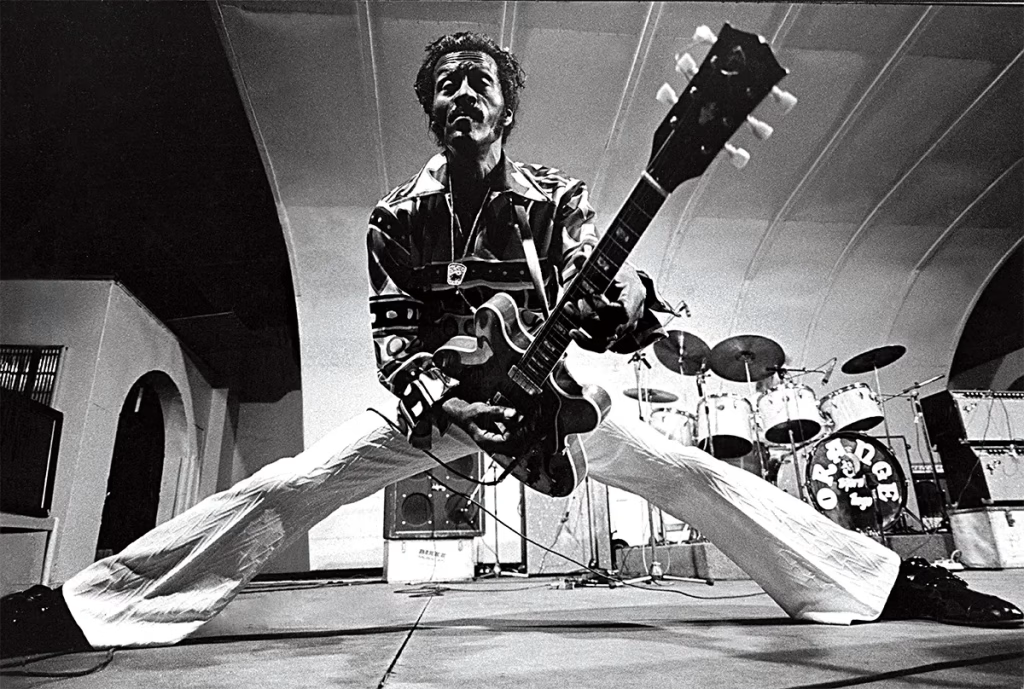
Rock and roll was the first wave of rock music, characterized by a strong backbeat, simple melodies, and catchy rhythms. Artists like Chuck Berry, Little Richard, and Elvis Presley became iconic figures, shaping the future of music. Their energetic performances and groundbreaking records set the stage for the explosive growth of rock music.
With its rebellious spirit and youthful energy, rock and roll quickly gained popularity among teenagers. It became a cultural phenomenon, challenging social norms and giving rise to a new sense of identity and freedom. This laid the groundwork for the evolution of rock into various subgenres.
The Evolution of Rock Music
As rock music gained momentum, it began to diversify into numerous subgenres. Each brought its own unique sound and cultural significance, reflecting the changing times and societal shifts. The 1960s and 1970s were particularly influential, with the emergence of psychedelic rock, hard rock, and progressive rock.
Psychedelic rock, influenced by the counterculture movement, incorporated experimental sounds and themes. Bands like The Beatles, The Doors, and Pink Floyd pushed the boundaries of traditional rock, creating music that was both innovative and thought-provoking. This period marked a significant evolution in the rock genre.
Hard Rock and Heavy Metal
Hard rock and heavy metal emerged in the late 1960s and early 1970s, characterized by aggressive guitar riffs and powerful vocals. Bands like Led Zeppelin, Black Sabbath, and Deep Purple became synonymous with this sound. Their music was louder, heavier, and more intense, appealing to a growing audience of rock enthusiasts.
These subgenres introduced a new level of intensity and musicianship, influencing countless bands and artists in the decades to follow. The evolution of heavy metal in particular gave rise to numerous offshoots, including thrash metal, glam metal, and more, each with its own distinct style and fan base.

The Cultural Impact of Rock Music
Rock music has had a profound impact on culture and society, shaping attitudes, fashion, and language. It has served as a powerful form of expression, often addressing issues like love, rebellion, and social change. Its influence extends beyond music, permeating art, literature, and film.
Throughout its history, rock music has been associated with movements for social justice and political change. From the civil rights movement to anti-war protests, artists have used their platform to raise awareness and inspire action. This connection between rock music and activism remains strong to this day.
Fashion and Lifestyle
Rock music has also played a significant role in defining fashion trends and lifestyle choices. The rebellious nature of rock and roll was reflected in the attire of its followers, with leather jackets, ripped jeans, and band t-shirts becoming iconic symbols. These fashion statements continue to influence style across generations.
Beyond fashion, rock music has fostered a sense of community and belonging among its fans. Concerts and festivals serve as gathering places for people to connect over shared musical interests and experiences. This sense of community has helped sustain the genre’s popularity over the years.
The Legacy of Rock Music
Despite the rise of new musical genres, rock music continues to hold a special place in the hearts of many. Its legacy is evident in the ongoing influence it has on contemporary artists and the enduring popularity of classic rock bands. The genre’s adaptability and timeless appeal ensure its relevance well into the future.
Rock music’s ability to evolve and reinvent itself has been key to its longevity. From the raw energy of punk rock to the anthemic sounds of arena rock, each iteration has left an indelible mark on the music landscape. As new generations discover and reinterpret rock, its legacy will continue to grow.
Influence on Modern Music
Many of today’s artists credit rock music as a major influence on their sound and style. The genre’s emphasis on creativity and individuality resonates with musicians across genres, from pop and hip-hop to electronic and indie music. This cross-pollination of ideas keeps rock music vibrant and relevant.
In conclusion, rock music is more than just a genre; it is a cultural phenomenon that has shaped and been shaped by the world around it. Its enduring appeal lies in its ability to capture the human experience in all its complexity, making it a powerful force in the world of music and beyond.
The Globalization of Rock Music
As rock music evolved, it transcended national boundaries and became a global phenomenon. Its spread was facilitated by advancements in technology and media, allowing the music to reach audiences worldwide. The genre’s universal themes of rebellion, love, and freedom resonated with people across different cultures, making it a unifying force in a rapidly changing world.
In the 1960s and 1970s, British rock bands like The Rolling Stones and The Who gained international acclaim, contributing to what is known as the “British Invasion.” This movement saw the proliferation of British rock music in the United States and other parts of the world, further cementing rock’s status as a dominant cultural force. The exchange of musical ideas between American and British artists enriched the genre, leading to innovative sounds and styles.
Rock Music in Different Cultures
As rock music spread globally, it began to incorporate elements from various cultural traditions, creating a diverse array of subgenres. In Latin America, bands like Santana fused rock with Afro-Cuban rhythms, creating a unique sound that captivated audiences. Similarly, in Africa, artists blended traditional African music with rock, resulting in vibrant and dynamic compositions.
In Asia, rock music found a passionate following, with countries like Japan and South Korea developing their own distinct rock scenes. Japanese rock, or J-rock, became known for its eclectic and experimental approach, while Korean rock bands began to gain international recognition for their innovative sounds. These regional adaptations of rock music highlight its adaptability and widespread appeal.
Rock Music in the Digital Age
The digital age has brought about significant changes in the music industry, and rock music has adapted to these shifts in various ways. The rise of digital platforms and streaming services has made it easier for artists to distribute their music and connect with fans worldwide. This accessibility has allowed rock music to reach new audiences and remain relevant in a rapidly evolving musical landscape.
Social media platforms have also played a crucial role in the evolution of rock music. Artists can now engage with fans directly, share their creative processes, and promote their work without traditional gatekeepers. This direct interaction has fostered a sense of community and loyalty among fans, helping to sustain the genre’s enduring popularity.
The Future of Rock Music
Looking ahead, rock music faces both challenges and opportunities. While some critics argue that the genre has lost its edge, others see potential for innovation and renewal. The blending of rock with other genres, such as electronic music and hip-hop, has resulted in exciting new sounds that continue to push the boundaries of what rock music can be.
Young artists are increasingly drawing from a wide range of influences, creating music that defies categorization and reflects the complexity of the modern world. This experimentation is vital for the continued growth and evolution of rock music, ensuring that it remains a dynamic and relevant force in the music industry.
In conclusion, rock music’s journey from its origins to the present day is a testament to its enduring power and versatility. As it continues to evolve and adapt to new cultural and technological landscapes, rock music will undoubtedly remain an integral part of the global musical tapestry. Its legacy of innovation, rebellion, and expression ensures that it will continue to inspire and captivate audiences for generations to come.