
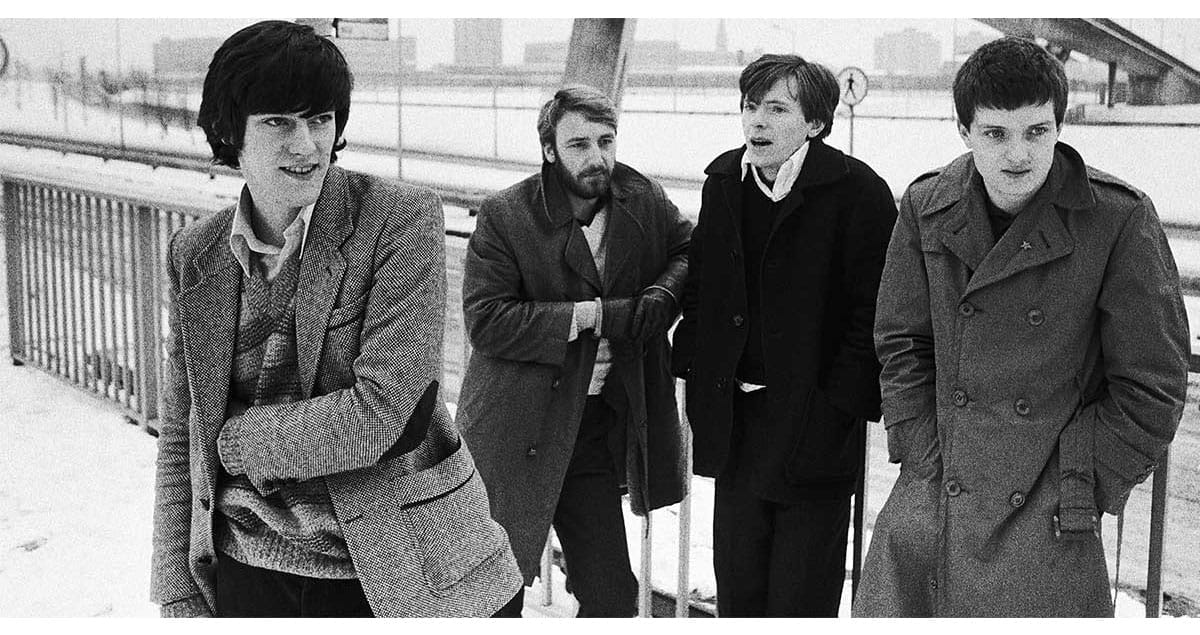
Joy Division Didn’t Express Darkness — They Normalized It
Joy Division are often framed as a band that expressed despair. That’s inaccurate. Expression implies release. Joy Division offered none.
What they did instead was normalize emotional collapse — present it as a stable condition, not a crisis moment. Their music doesn’t scream, confess, or cathartically explode. It persists.
RMU lens:
This is not sadness as emotion. This is sadness as environment.
Emotional Flatness as Truth, Not Absence
Joy Division’s defining trait is emotional flatness — not numbness, not drama, but levelness.
Vocals resist melodic comfort
Lyrics avoid metaphorical escape
Rhythms repeat without climax
Nothing resolves. Nothing reassures. This isn’t minimalism for elegance; it’s minimalism for honesty. When emotion is constant, variation becomes dishonest.
Their music behaves like depression feels:
not loud, not spectacular — just inescapable.
Space as a Psychological Device
Silence in Joy Division isn’t pause. It’s pressure.
Gaps feel intentional, not restful
Repetition tightens instead of relaxing
Atmosphere replaces narrative
They understood that anxiety doesn’t come from chaos — it comes from order that won’t move. Songs feel trapped inside themselves, circling the same emotional coordinates.
RMU framing:
Motion without progress is the sound of psychological confinement.
Rhythm Over Melody: The Body Moves, the Mind Doesn’t
Joy Division’s rhythms often feel functional, almost mechanical. This creates a split experience:
The body is compelled forward
The mind remains static
This dissonance is crucial. It prevents romanticization. You’re not invited to feel better through movement — you’re asked to coexist with discomfort.
That’s why their music works both in isolation and in crowds. It doesn’t need intimacy; it creates distance by default.
Why Joy Division Still Feels Untouchable
Many bands borrowed the surface:
The baritone delivery
The bleak atmosphere
The monochrome mood
But few grasped the core discipline: no emotional manipulation.
Joy Division never tries to guide how you should feel. There’s no swell, no release, no consolation prize. Meaning emerges only if the listener stays.
RMU insight:
They trusted the listener enough to not comfort them.
Myth Is Irrelevant Here
Joy Division’s power doesn’t come from narrative, tragedy, or historical framing. Strip all of that away and the music still functions — because its strength lies in structure, not story.
It doesn’t require explanation.
It doesn’t seek interpretation.
It simply exists, and asks if you can tolerate that existence alongside it.
Legacy: Permission to Be Unresolved
Joy Division didn’t open a genre. They opened a condition.
They gave artists permission to:
Leave songs emotionally unfinished
Reject uplift
Treat despair as static, not dramatic
In doing so, they permanently altered how seriousness functions in rock music.
RMU Closing Thought
Joy Division didn’t romanticize pain.
They didn’t weaponize it.
They didn’t aestheticize it for relief.
They did something colder — and harder:
They made despair structural, not expressive.
And once you hear that, it never really stops being audible.