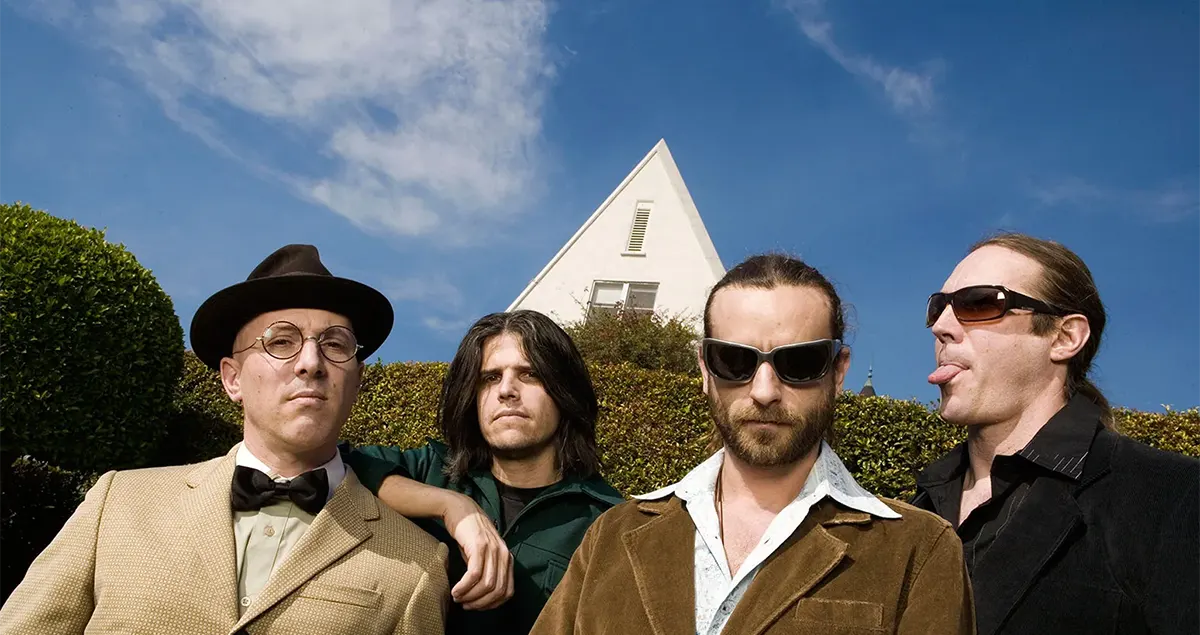
Tool

Tool: Rhythm, Atmosphere, and the Reconfiguration of Modern Metal

Quick Facts

Founded: 1990
Origin: Los Angeles, California, USA
Genres: Alternative Metal, Progressive Metal
Classic Line-Up: Maynard James Keenan, Adam Jones, Justin Chancellor, Danny Carey
Years Active: 1990–present


Origin Story – Structure Over Speed

Tool was formed in 1990 by vocalist Maynard James Keenan, guitarist Adam Jones, drummer Danny Carey, and bassist Paul D’Amour (later replaced by Justin Chancellor in 1995).

Unlike many early 1990s metal bands emerging from thrash or grunge scenes, Tool focused on rhythmic experimentation and controlled atmosphere.

Their early EP Opiate (1992) presented a heavier, more direct sound. However, even at this stage, the band emphasized:

  • Unconventional song structures

  • Gradual dynamic builds

  • Lyrical abstraction

The rhythm section was central. Danny Carey’s drumming incorporated polyrhythms and non-standard time signatures, creating structural complexity without constant speed escalation.

Their identity solidified with their first full-length release.


The Turning Point – Ænima (1996)

Ænima marked Tool’s artistic breakthrough.

Produced with attention to space and tonal clarity, the album balanced aggression with layered atmosphere.

Key structural elements included:

  • Extended instrumental passages

  • Shifting rhythmic cycles

  • Textural guitar work

  • Conceptual continuity

Tracks such as “Stinkfist” and “Forty Six & 2” demonstrated dynamic control rather than relentless intensity.

Justin Chancellor’s bass lines became more prominent, often functioning as melodic anchors.

The album positioned Tool as leaders within alternative metal while separating them from nu-metal trends of the late 1990s.


Milestone Album – Lateralus (2001)

Released in 2001, Lateralus is widely regarded as Tool’s defining achievement.

The album expanded their compositional ambition. Songs frequently exceeded seven minutes and featured structured rhythmic experimentation.

The title track “Lateralus” is built around shifting time signatures that loosely reference Fibonacci sequencing, though the band has avoided overemphasizing theoretical explanations.

The album emphasized:

  • Gradual progression

  • Recurring rhythmic motifs

  • Controlled instrumental layering

Unlike more technically aggressive progressive metal acts, Tool prioritized atmosphere and pacing.

Lateralus reinforced their reputation for disciplined experimentation.
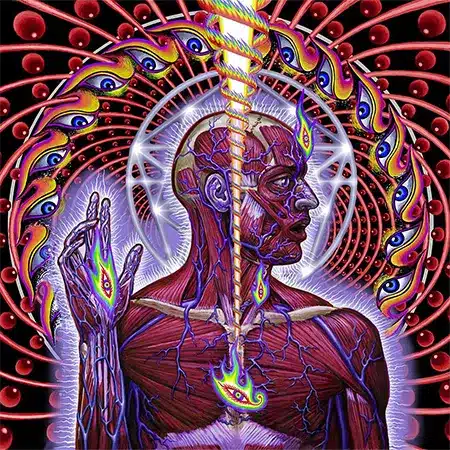
Tool + Lateralus + Album


Signature Song – Schism

“Schism,” from Lateralus, represents Tool’s rhythmic identity.

The main bass riff cycles through irregular time signatures, yet remains memorable.

The structure unfolds in stages:

  • Repetitive rhythmic motif

  • Gradual layering

  • Controlled vocal entry

  • Instrumental escalation

Maynard James Keenan’s vocals are measured rather than dominant. The arrangement prioritizes interplay over vocal showcase.

The track achieved radio success without simplifying structural complexity.


Rhythmic Architecture

Tool’s sound is built on controlled tension.

  • Adam Jones’ guitar tone emphasizes texture over speed.

  • Justin Chancellor’s bass lines often carry rhythmic identity.

  • Danny Carey’s drumming integrates polyrhythms and dynamic variation.

  • Maynard James Keenan’s vocal delivery remains restrained, entering at calculated moments.

The band frequently avoids traditional verse–chorus repetition. Instead, songs develop through incremental shifts.

This approach differentiates Tool from both thrash-based metal and traditional progressive rock.


Delay, Patience, and Continuity

Tool’s release schedule has been deliberate.

The 2006 album 10,000 Days maintained their structural identity while expanding production density.

After a thirteen-year gap, Fear Inoculum (2019) continued their long-form approach. Tracks exceeded ten minutes, emphasizing patience and gradual development.

Unlike many contemporary acts, Tool did not accelerate output to meet commercial cycles.

Their catalog is selective and controlled.


Members

Maynard James Keenan – Vocals
Adam Jones – Guitar
Justin Chancellor – Bass
Danny Carey – Drums

The lineup has remained stable since 1995.


Selected Studio Discography

Undertow (1993)
Ænima (1996)
Lateralus (2001)
10,000 Days (2006)
Fear Inoculum (2019)


Structural Contribution to Modern Metal

Tool influenced modern heavy music through:

  1. Polyrhythmic Integration
    Irregular time signatures became central rather than decorative.

  2. Atmospheric Metal Structure
    Songs emphasized pacing over immediate aggression.

  3. Minimal Media Presence
    The band maintained controlled public exposure.

  4. Album-Length Focus
    Full-length releases functioned as cohesive listening experiences.

Unlike Dream Theater’s overt technical display, Tool integrates complexity within atmospheric restraint.


Legacy

Tool occupies a distinct position in alternative and progressive metal.

They demonstrated that rhythmic experimentation and long-form composition could coexist with mainstream recognition.

Their influence is visible in modern progressive and post-metal movements.

They did not prioritize speed or theatricality.

They prioritized structure.

Tool

Tool: Ritm, Atmosfer ve Modern Metalin Yeniden Yapılandırılması

Hızlı Bilgiler

Kuruluş: 1990
Köken: Los Angeles, Kaliforniya, ABD
Türler: Alternatif Metal, Progresif Metal
Klasik Kadro: Maynard James Keenan, Adam Jones, Justin Chancellor, Danny Carey
Faaliyet Yılları: 1990–günümüz


Köken Hikayesi – Hızdan Çok Yapı

Tool, 1990 yılında vokalist Maynard James Keenan, gitarist Adam Jones, davulcu Danny Carey ve basçı Paul D’Amour (1995’te Justin Chancellor ile değiştirildi) tarafından kuruldu.

1990’ların başındaki thrash veya grunge sahnelerinden çıkan birçok metal grubunun aksine, Tool ritmik deneylere ve kontrollü atmosfere odaklandı.

Grubun erken EP’si Opiate (1992) daha ağır, daha doğrudan bir ses sundu. Ancak, bu aşamada bile grup şunları vurguladı:

  • Alışılmadık şarkı yapıları

  • Aşamalı dinamik yükselişler

  • Sözsel soyutlama

Ritim bölümü merkeziydi. Danny Carey’nin davulculuğu poliritmik ve standart dışı zaman imzalarını içeriyordu, bu da sürekli hız artışı olmadan yapısal karmaşıklık yaratıyordu.

Kimlikleri ilk tam uzunlukta albümleriyle pekişti.


Dönüm Noktası – Ænima (1996)

Ænima, Tool’un sanatsal atılımını işaret etti.

Boşluk ve ton netliğine dikkat edilerek üretilen albüm, agresyon ile katmanlı atmosfer arasında bir denge sağladı.

Ana yapısal unsurlar şunları içeriyordu:

  • Uzun enstrümantal pasajlar

  • Değişen ritmik döngüler

  • Dokusal gitar çalışmaları

  • Kavramsal süreklilik

“Stinkfist” ve “Forty Six & 2” gibi parçalar, sürekli yoğunluktan ziyade dinamik kontrolü gösterdi.

Justin Chancellor’ın bas hatları daha belirgin hale geldi ve genellikle melodik sabitler olarak işlev gördü.

Albüm, Tool’u alternatif metalin liderleri olarak konumlandırırken, onları 1990’ların sonlarındaki nu-metal trendlerinden ayırdı.


Dönüm Noktası Albümü – Lateralus (2001)

2001 yılında yayımlanan Lateralus, Tool’un tanımlayıcı başarısı olarak geniş çapta kabul edilmektedir.

Albüm, besteleme hırslarını genişletti. Şarkılar sıklıkla yedi dakikayı aştı ve yapılandırılmış ritmik deneyler içeriyordu.

Başlık parçası “Lateralus”, gevşek bir şekilde Fibonacci dizilimini referans alan değişen zaman imzaları etrafında inşa edilmiştir, ancak grup teorik açıklamaları aşırı vurgulamaktan kaçınmıştır.

Albüm şunları vurguladı:

  • Aşamalı ilerleme

  • Tekrarlayan ritmik motifler

  • Kontrollü enstrümantal katmanlama

Daha teknik olarak agresif progresif metal gruplarının aksine, Tool atmosfer ve tempoyu önceliklendirdi.

Lateralus, disiplinli deneyim için olan itibarlarını pekiştirdi.

Tool + Lateralus + Album


İmza Şarkı – Schism

“Schism,” Lateralus albümünden, Tool’un ritmik kimliğini temsil eder.

Ana bas riffi düzensiz zaman imzaları arasında döner, ancak akılda kalıcıdır.

Yapı aşamalı olarak açılır:

  • Tekrarlayan ritmik motif

  • Aşamalı katmanlama

  • Kontrollü vokal girişi

  • Enstrümantal yükseliş

Maynard James Keenan’ın vokalleri baskın olmaktan çok ölçülüdür. Düzenleme, vokal gösteriminden ziyade etkileşimi önceliklendirir.

Parça, yapısal karmaşıklığı basitleştirmeden radyo başarısı elde etti.


Ritim Mimarisi

Tool’un sesi kontrollü gerilim üzerine inşa edilmiştir.

  • Adam Jones’un gitar tonu, hızdan çok dokuya vurgu yapar.

  • Justin Chancellor’ın bas hatları genellikle ritmik kimliği taşır.

  • Danny Carey’nin davulculuğu poliritmik ve dinamik varyasyonları entegre eder.

  • Maynard James Keenan’ın vokal sunumu ölçülüdür, hesaplanmış anlarda devreye girer.

Grup genellikle geleneksel nakarat tekrarından kaçınır. Bunun yerine, şarkılar aşamalı değişimlerle gelişir.

Bu yaklaşım, Tool’u hem thrash tabanlı metalden hem de geleneksel progresif rock’tan ayırır.


Gecikme, Sabır ve Süreklilik

Tool’un çıkış takvimi kasıtlı olmuştur.

2006 albümü 10,000 Days, yapısal kimliklerini korurken prodüksiyon yoğunluğunu artırdı.

On üç yıllık bir aradan sonra, Fear Inoculum (2019) uzun biçim yaklaşımını sürdürdü. Parçalar on dakikayı aştı, sabır ve aşamalı gelişimi vurguladı.

Birçok çağdaş grubun aksine, Tool, ticari döngüleri karşılamak için üretimi hızlandırmadı.

Katalogları seçici ve kontrollüdür.


Üyeler

Maynard James Keenan – Vokaller
Adam Jones – Gitar
Justin Chancellor – Bas
Danny Carey – Davullar

Kadroları 1995’ten beri istikrarlı kalmıştır.


Seçilen Stüdyo Diskografisi

Undertow (1993)
Ænima (1996)
Lateralus (2001)
10,000 Days (2006)
Fear Inoculum (2019)


Modern Metal’e Yapısal Katkı

Tool, modern ağır müziği şu şekilde etkiledi:

  1. Poliritmik Entegrasyon
    Düzensiz zaman imzaları merkezi hale geldi, süsleyici olmaktan çıkıp.

  2. Atmosferik Metal Yapısı
    Şarkılar, anlık agresyon yerine tempoyu vurguladı.

  3. Minimal Medya Varlığı
    Grup, kontrollü bir kamu maruziyeti sürdürdü.

  4. Albüm Uzunluğu Odaklılık
    Tam uzunlukta yayınlar, uyumlu dinleme deneyimleri olarak işlev gördü.

Dream Theater’ın açık teknik gösteriminden farklı olarak, Tool karmaşıklığı atmosferik kısıtlama içinde entegre eder.


Miras

Tool, alternatif ve progresif metalde belirgin bir konumda yer alır.

Ritmik deneylerin ve uzun biçim bestelerin ana akım tanınması ile bir arada var olabileceğini gösterdiler.

Etkileri modern progresif ve post-metal hareketlerinde görünür.

Hız veya gösterişi önceliklendirmediler.

Yapıyı önceliklendirdiler.

Tool

Tool : Rythme, Atmosphère et la Reconfiguration du Metal Moderne

Faits Rapides

Fondé : 1990
Origine : Los Angeles, Californie, USA
Genres : Metal Alternatif, Metal Progressif
Formation Classique : Maynard James Keenan, Adam Jones, Justin Chancellor, Danny Carey
Années Actives : 1990–présent


Histoire d’Origine – Structure Avant Vitesse

Tool a été formé en 1990 par le chanteur Maynard James Keenan, le guitariste Adam Jones, le batteur Danny Carey et le bassiste Paul D’Amour (remplacé plus tard par Justin Chancellor en 1995).

Contrairement à de nombreux groupes de metal du début des années 1990 issus des scènes thrash ou grunge, Tool s’est concentré sur l’expérimentation rythmique et une atmosphère contrôlée.

Leur premier EP Opiate (1992) présentait un son plus lourd et plus direct. Cependant, même à ce stade, le groupe mettait l’accent sur :

  • Des structures de chansons non conventionnelles

  • Des constructions dynamiques progressives

  • Une abstraction lyrique

La section rythmique était centrale. La batterie de Danny Carey intégrait des polyrhythmes et des signatures temporelles non standards, créant une complexité structurelle sans une escalade constante de la vitesse.

Leur identité s’est solidifiée avec leur première sortie en album complet.


Le Tournant – Ænima (1996)

Ænima a marqué la percée artistique de Tool.

Produit avec une attention à l’espace et à la clarté tonale, l’album a équilibré l’agression avec une atmosphère superposée.

Les éléments structurels clés comprenaient :

  • Des passages instrumentaux étendus

  • Des cycles rythmiques changeants

  • Un travail de guitare texturé

  • Une continuité conceptuelle

Des morceaux tels que “Stinkfist” et “Forty Six & 2” ont démontré un contrôle dynamique plutôt qu’une intensité implacable.

Les lignes de basse de Justin Chancellor sont devenues plus proéminentes, fonctionnant souvent comme des ancres mélodiques.

L’album a positionné Tool comme des leaders dans le metal alternatif tout en les séparant des tendances nu-metal de la fin des années 1990.


Album Marquant – Lateralus (2001)

Sorti en 2001, Lateralus est largement considéré comme l’accomplissement définitif de Tool.

L’album a élargi leur ambition compositionnelle. Les chansons dépassaient souvent sept minutes et comportaient une expérimentation rythmique structurée.

La piste titre “Lateralus” est construite autour de signatures temporelles changeantes qui font vaguement référence à la séquence de Fibonacci, bien que le groupe ait évité de surligner les explications théoriques.

L’album mettait l’accent sur :

  • Une progression graduelle

  • Des motifs rythmiques récurrents

  • Un empilement instrumental contrôlé

Contrairement à des actes de metal progressif plus techniquement agressifs, Tool a donné la priorité à l’atmosphère et au rythme.

Lateralus a renforcé leur réputation pour une expérimentation disciplinée.

Tool + Lateralus + Album


Chanson Signature – Schism

“Schism,” de Lateralus, représente l’identité rythmique de Tool.

Le riff principal de basse tourne à travers des signatures temporelles irrégulières, mais reste mémorable.

La structure se déroule en étapes :

  • Un motif rythmique répétitif

  • Une superposition graduelle

  • Une entrée vocale contrôlée

  • Une escalade instrumentale

Les voix de Maynard James Keenan sont mesurées plutôt que dominantes. L’arrangement privilégie l’interaction plutôt que la mise en avant vocale.

Le morceau a connu un succès radio sans simplifier la complexité structurelle.


Architecture Rythmique

Le son de Tool est construit sur une tension contrôlée.

  • Le ton de guitare d’Adam Jones met l’accent sur la texture plutôt que sur la vitesse.

  • Les lignes de basse de Justin Chancellor portent souvent l’identité rythmique.

  • La batterie de Danny Carey intègre des polyrhythmes et des variations dynamiques.

  • La livraison vocale de Maynard James Keenan reste retenue, entrant à des moments calculés.

Le groupe évite fréquemment la répétition traditionnelle couplet–refrain. Au lieu de cela, les chansons se développent à travers des changements incrémentaux.

Cette approche différencie Tool à la fois du metal basé sur le thrash et du rock progressif traditionnel.


Délai, Patience et Continuité

Le calendrier de sortie de Tool a été délibéré.

L’album de 2006 10,000 Days a maintenu leur identité structurelle tout en élargissant la densité de production.

Après une pause de treize ans, Fear Inoculum (2019) a poursuivi leur approche longue. Les morceaux dépassaient dix minutes, mettant l’accent sur la patience et le développement progressif.

Contrairement à de nombreux groupes contemporains, Tool n’a pas accéléré sa production pour répondre aux cycles commerciaux.

Leur catalogue est sélectif et contrôlé.


Membres

Maynard James Keenan – Voix
Adam Jones – Guitare
Justin Chancellor – Basse
Danny Carey – Batterie

La formation est restée stable depuis 1995.


Discographie Studio Sélectionnée

Undertow (1993)
Ænima (1996)
Lateralus (2001)
10,000 Days (2006)
Fear Inoculum (2019)


Contribution Structurelle au Metal Moderne

Tool a influencé la musique heavy moderne à travers :

  1. Intégration Polyrhythmique
    Les signatures temporelles irrégulières sont devenues centrales plutôt que décoratives.

  2. Structure Metal Atmosphérique
    Les chansons mettaient l’accent sur le rythme plutôt que sur l’agression immédiate.

  3. Présence Médiatique Minimale
    Le groupe a maintenu une exposition publique contrôlée.

  4. Concentration sur la Durée de l’Album
    Les sorties complètes fonctionnaient comme des expériences d’écoute cohérentes.

Contrairement à l’affichage technique évident de Dream Theater, Tool intègre la complexité dans une retenue atmosphérique.


Héritage

Tool occupe une position distincte dans le metal alternatif et progressif.

Ils ont démontré que l’expérimentation rythmique et la composition longue pouvaient coexister avec une reconnaissance grand public.

Leur influence est visible dans les mouvements modernes de metal progressif et post-metal.

Ils n’ont pas donné la priorité à la vitesse ou à la théâtralité.

Ils ont donné la priorité à la structure.

Tool

Tool: Ritme, Sfeer en de Herconfiguratie van Moderne Metal

Feiten

Opgericht: 1990
Herkomst: Los Angeles, Californië, VS
Genres: Alternatieve Metal, Progressieve Metal
Classic Line-Up: Maynard James Keenan, Adam Jones, Justin Chancellor, Danny Carey
Actieve Jaren: 1990–heden


Oorsprongsverhaal – Structuur boven Snelheid

Tool werd in 1990 opgericht door zanger Maynard James Keenan, gitarist Adam Jones, drummer Danny Carey en bassist Paul D’Amour (later vervangen door Justin Chancellor in 1995).

In tegenstelling tot veel vroege metalbands uit de jaren 90 die voortkwamen uit thrash- of grunge-scènes, richtte Tool zich op ritmische experimentatie en gecontroleerde sfeer.

Hun vroege EP Opiate (1992) presenteerde een zwaarder, directer geluid. Echter, zelfs in deze fase benadrukte de band:

  • Onconventionele songstructuren

  • Geleidelijke dynamische opbouw

  • Lyrische abstractie

De ritmesectie was centraal. Danny Carey’s drumming incorporateerde polyrhythmes en niet-standaard maatsoorten, waardoor structurele complexiteit werd gecreëerd zonder constante snelheidstoename.

Hun identiteit werd versterkt met hun eerste volledige albumrelease.


Het Keerpunt – Ænima (1996)

Ænima markeerde de artistieke doorbraak van Tool.

Geproduceerd met aandacht voor ruimte en tonale helderheid, balanceerde het album agressie met gelaagde sfeer.

Belangrijke structurele elementen omvatten:

  • Uitgebreide instrumentale passages

  • Veranderende ritmische cycli

  • Textuurwerk op gitaar

  • Conceptuele continuïteit

Nummers zoals “Stinkfist” en “Forty Six & 2” demonstreerden dynamische controle in plaats van onophoudelijke intensiteit.

Justin Chancellor’s baslijnen werden prominenter, vaak functionerend als melodische ankers.

Het album positioneerde Tool als leiders binnen de alternatieve metal terwijl ze zich afscheidden van nu-metal trends van de late jaren 90.


Mijlpaal Album – Lateralus (2001)

Uitgebracht in 2001, Lateralus wordt algemeen beschouwd als Tool’s definitieve prestatie.

Het album breidde hun compositie-ambitie uit. Nummers overschreden vaak zeven minuten en bevatten gestructureerde ritmische experimentatie.

Het titelnummer “Lateralus” is opgebouwd rond veranderende maatsoorten die losjes verwijzen naar Fibonacci-sequencing, hoewel de band heeft vermeden om theoretische uitleg te overdrijven.

Het album benadrukte:

  • Geleidelijke progressie

  • Terugkerende ritmische motieven

  • Gecontroleerde instrumentale gelaagdheid

In tegenstelling tot meer technisch agressieve progressieve metalacts, gaf Tool prioriteit aan sfeer en tempo.

Lateralus versterkte hun reputatie voor gedisciplineerde experimentatie.

Tool + Lateralus + Album


Handtekening Nummer – Schism

“Schism,” van Lateralus, vertegenwoordigt Tool’s ritmische identiteit.

De belangrijkste basriff draait door onregelmatige maatsoorten, maar blijft memorabel.

De structuur ontvouwt zich in fasen:

  • Herhalend ritmisch motief

  • Geleidelijke gelaagdheid

  • Gecontroleerde vocale inbreng

  • Instrumentale escalatie

Maynard James Keenan’s zang is gematigd in plaats van dominant. De arrangementen geven prioriteit aan interactie boven vocale showcase.

Het nummer behaalde radiosucces zonder de structurele complexiteit te vereenvoudigen.


Ritmische Architectuur

Tool’s geluid is opgebouwd uit gecontroleerde spanning.

  • Adam Jones’ gelaagdheid benadrukt textuur boven snelheid.

  • Justin Chancellor’s baslijnen dragen vaak de ritmische identiteit.

  • Danny Carey’s drumming integreert polyrhythmes en dynamische variatie.

  • Maynard James Keenan’s vocale presentatie blijft beheerst, en komt op berekende momenten binnen.

De band vermijdt vaak traditionele herhaling van coupletten en refreinen. In plaats daarvan ontwikkelen nummers zich door incrementele verschuivingen.

Deze benadering onderscheidt Tool van zowel thrash-gebaseerde metal als traditionele progressieve rock.


Vertraging, Geduld en Continuïteit

Tool’s release-schema is opzettelijk geweest.

Het album uit 2006 10,000 Days behield hun structurele identiteit terwijl het de productiedichtheid uitbreidde.

Na een dertienjarige pauze vervolgde Fear Inoculum (2019) hun lange vorm benadering. Nummers overschreden tien minuten, met nadruk op geduld en geleidelijke ontwikkeling.

In tegenstelling tot veel hedendaagse acts, versnelde Tool de output niet om aan commerciële cycli te voldoen.

Hun catalogus is selectief en gecontroleerd.


Leden

Maynard James Keenan – Zang
Adam Jones – Gitaar
Justin Chancellor – Bas
Danny Carey – Drums

De line-up is stabiel gebleven sinds 1995.


Geselecteerde Studio Discografie

Undertow (1993)
Ænima (1996)
Lateralus (2001)
10,000 Days (2006)
Fear Inoculum (2019)


Structurele Bijdrage aan Moderne Metal

Tool heeft moderne zware muziek beïnvloed door:

  1. Polyrhythmische Integratie
    Onregelmatige maatsoorten werden centraal in plaats van decoratief.

  2. Atmosferische Metalstructuur
    Nummers benadrukten tempo boven onmiddellijke agressie.

  3. Minimale Media Aanwezigheid
    De band handhaafde gecontroleerde publieke blootstelling.

  4. Album-Lengte Focus
    Volledige releases functioneerden als samenhangende luisterervaringen.

In tegenstelling tot Dream Theater’s openlijke technische vertoning, integreert Tool complexiteit binnen atmosferische terughoudendheid.


Erfgoed

Tool neemt een unieke positie in binnen alternatieve en progressieve metal.

Ze toonden aan dat ritmische experimentatie en lange compositie naast mainstream erkenning konden bestaan.

Hun invloed is zichtbaar in moderne progressieve en post-metal bewegingen.

Ze gaven geen prioriteit aan snelheid of theatrale elementen.

Ze gaven prioriteit aan structuur.

Tool

Tool: Rhythmus, Atmosphäre und die Rekonfiguration des modernen Metals

Schnelle Fakten

Gegründet: 1990
Herkunft: Los Angeles, Kalifornien, USA
Genres: Alternative Metal, Progressive Metal
Klassische Besetzung: Maynard James Keenan, Adam Jones, Justin Chancellor, Danny Carey
Aktive Jahre: 1990–heute


Ursprungsgeschichte – Struktur über Geschwindigkeit

Tool wurde 1990 von Sänger Maynard James Keenan, Gitarrist Adam Jones, Schlagzeuger Danny Carey und Bassist Paul D’Amour (später 1995 ersetzt durch Justin Chancellor) gegründet.

Im Gegensatz zu vielen frühen Metal-Bands der 1990er Jahre, die aus Thrash- oder Grunge-Szenen hervorgingen, konzentrierte sich Tool auf rhythmische Experimente und kontrollierte Atmosphäre.

Ihre frühe EP Opiate (1992) präsentierte einen schwereren, direkteren Sound. Doch selbst in dieser Phase betonte die Band:

  • Unkonventionelle Songstrukturen

  • Allmähliche dynamische Steigerungen

  • Lyrische Abstraktion

Der Rhythmusbereich war zentral. Dannys Careys Schlagzeugspiel integrierte Polyrhythmen und nicht-standardisierte Taktarten, wodurch strukturelle Komplexität ohne ständige Geschwindigkeitssteigerung geschaffen wurde.

Ihre Identität festigte sich mit ihrer ersten vollständigen Veröffentlichung.


Der Wendepunkt – Ænima (1996)

Ænima markierte den künstlerischen Durchbruch von Tool.

Produziert mit Augenmerk auf Raum und tonale Klarheit, balancierte das Album Aggression mit geschichteter Atmosphäre.

Wichtige strukturelle Elemente umfassten:

  • Erweiterte instrumentale Passagen

  • Wechselnde rhythmische Zyklen

  • Texturierte Gitarrenarbeit

  • Konzeptionelle Kontinuität

Tracks wie “Stinkfist” und “Forty Six & 2” demonstrierten dynamische Kontrolle statt unermüdlicher Intensität.

Justin Chancellors Basslinien wurden prominenter und fungierten oft als melodische Anker.

Das Album positionierte Tool als führend im Bereich des Alternative Metal und trennte sie von den Nu-Metal-Trends der späten 1990er Jahre.


Meilenstein-Album – Lateralus (2001)

Veröffentlicht im Jahr 2001, wird Lateralus weithin als das definierende Werk von Tool angesehen.

Das Album erweiterte ihre kompositorischen Ambitionen. Songs überschritten häufig sieben Minuten und beinhalteten strukturierte rhythmische Experimente.

Der Titeltrack “Lateralus” basiert auf wechselnden Taktarten, die lose auf der Fibonacci-Sequenz verweisen, obwohl die Band es vermieden hat, theoretische Erklärungen zu überbetonen.

Das Album betonte:

  • Allmähliche Progression

  • Wiederkehrende rhythmische Motive

  • Kontrollierte instrumentale Schichtung

Im Gegensatz zu technisch aggressiveren Progressive-Metal-Acts priorisierte Tool Atmosphäre und Tempo.

Lateralus verstärkte ihren Ruf für diszipliniertes Experimentieren.

Tool + Lateralus + Album


Signatursong – Schism

“Schism,” aus Lateralus, repräsentiert Tools rhythmische Identität.

Das Hauptbassriff wechselt durch unregelmäßige Taktarten, bleibt jedoch einprägsam.

Die Struktur entfaltet sich in Phasen:

  • Wiederholendes rhythmisches Motiv

  • Allmähliche Schichtung

  • Kontrollierter Gesangseinsatz

  • Instrumentale Eskalation

Maynard James Keenans Gesang ist gemessen und nicht dominant. Die Anordnung priorisiert das Zusammenspiel über die Gesangsdarbietung.

Der Track erzielte Radiogewinn ohne die strukturelle Komplexität zu vereinfachen.


Rhythmische Architektur

Der Sound von Tool basiert auf kontrollierter Spannung.

  • Adam Jones’ Gitarrenton betont Textur über Geschwindigkeit.

  • Justin Chancellors Basslinien tragen oft zur rhythmischen Identität bei.

  • Danny Careys Schlagzeugspiel integriert Polyrhythmen und dynamische Variation.

  • Maynard James Keenans Gesangsdarbietung bleibt zurückhaltend und tritt zu berechneten Momenten ein.

Die Band vermeidet häufig traditionelle Vers–Refrain-Wiederholungen. Stattdessen entwickeln sich die Songs durch schrittweise Veränderungen.

Dieser Ansatz unterscheidet Tool sowohl von thrash-basiertem Metal als auch von traditionellem Progressive Rock.


Verzögerung, Geduld und Kontinuität

Der Veröffentlichungszeitplan von Tool war absichtlich.

Das Album von 2006 10,000 Days bewahrte ihre strukturelle Identität und erweiterte gleichzeitig die Produktionsdichte.

Nach einer dreizehnjährigen Pause setzte Fear Inoculum (2019) ihren Langformatansatz fort. Die Tracks überschritten zehn Minuten und betonten Geduld und allmähliche Entwicklung.

Im Gegensatz zu vielen zeitgenössischen Acts beschleunigte Tool die Produktion nicht, um kommerziellen Zyklen gerecht zu werden.

Ihr Katalog ist selektiv und kontrolliert.


Mitglieder

Maynard James Keenan – Gesang
Adam Jones – Gitarre
Justin Chancellor – Bass
Danny Carey – Schlagzeug

Die Besetzung ist seit 1995 stabil geblieben.


Ausgewählte Studio-Diskografie

Undertow (1993)
Ænima (1996)
Lateralus (2001)
10,000 Days (2006)
Fear Inoculum (2019)


Struktureller Beitrag zum modernen Metal

Tool beeinflusste moderne Heavy Music durch:

  1. Polyrhythmische Integration
    Unregelmäßige Taktarten wurden zentral statt dekorativ.

  2. Atmosphärische Metalstruktur
    Songs betonten Tempo über unmittelbare Aggression.

  3. Minimale Medienpräsenz
    Die Band hielt die öffentliche Exposition kontrolliert.

  4. Album-Längen-Fokus
    Vollständige Veröffentlichungen fungierten als kohärente Hörerlebnisse.

Im Gegensatz zu Dream Theaters offensichtlicher technischer Darbietung integriert Tool Komplexität innerhalb atmosphärischer Zurückhaltung.


Vermächtnis

Tool nimmt eine besondere Position im Bereich des Alternative und Progressive Metal ein.

Sie haben gezeigt, dass rhythmische Experimente und Langformatkompositionen mit mainstreammäßiger Anerkennung koexistieren können.

Ihr Einfluss ist in modernen progressiven und Post-Metal-Bewegungen sichtbar.

Sie priorisierten nicht Geschwindigkeit oder Theatralik.

Sie priorisierten Struktur.

Tool

Tool: Ritmo, Atmósfera y la Reconfiguración del Metal Moderno

Datos Rápidos

Fundado: 1990
Origen: Los Ángeles, California, EE. UU.
Géneros: Metal Alternativo, Metal Progresivo
Formación Clásica: Maynard James Keenan, Adam Jones, Justin Chancellor, Danny Carey
Años Activos: 1990–presente


Historia de Origen – Estructura Sobre Velocidad

Tool se formó en 1990 por el vocalista Maynard James Keenan, el guitarrista Adam Jones, el baterista Danny Carey y el bajista Paul D’Amour (más tarde reemplazado por Justin Chancellor en 1995).

A diferencia de muchas bandas de metal de principios de los años 90 que surgieron de las escenas de thrash o grunge, Tool se centró en la experimentación rítmica y la atmósfera controlada.

Su primer EP Opiate (1992) presentó un sonido más pesado y directo. Sin embargo, incluso en esta etapa, la banda enfatizó:

  • Estructuras de canciones no convencionales

  • Construcciones dinámicas graduales

  • Abstracción lírica

La sección rítmica fue central. La batería de Danny Carey incorporó polirritmos y firmas de tiempo no estándar, creando complejidad estructural sin una constante escalada de velocidad.

Su identidad se consolidó con su primer lanzamiento de larga duración.


El Punto de Inflexión – Ænima (1996)

Ænima marcó el avance artístico de Tool.

Producido con atención al espacio y claridad tonal, el álbum equilibró agresión con atmósfera en capas.

Los elementos estructurales clave incluyeron:

  • Pasajes instrumentales extendidos

  • Ciclos rítmicos cambiantes

  • Trabajo de guitarra textural

  • Continuidad conceptual

Temas como “Stinkfist” y “Forty Six & 2” demostraron control dinámico en lugar de intensidad implacable.

Las líneas de bajo de Justin Chancellor se volvieron más prominentes, a menudo funcionando como anclas melódicas.

El álbum posicionó a Tool como líderes dentro del metal alternativo mientras los separaba de las tendencias nu-metal de finales de los años 90.


Álbum Emblemático – Lateralus (2001)

Lanzado en 2001, Lateralus es ampliamente considerado como el logro definitorio de Tool.

El álbum expandió su ambición compositiva. Las canciones frecuentemente superaron los siete minutos y presentaron experimentación rítmica estructurada.

La pista titular “Lateralus” se construye alrededor de firmas de tiempo cambiantes que hacen referencia de manera laxa a la secuenciación de Fibonacci, aunque la banda ha evitado enfatizar en exceso las explicaciones teóricas.

El álbum enfatizó:

  • Progresión gradual

  • Motivos rítmicos recurrentes

  • Capas instrumentales controladas

A diferencia de otros actos de metal progresivo más técnicamente agresivos, Tool priorizó la atmósfera y el ritmo.

Lateralus reforzó su reputación por la experimentación disciplinada.

Tool + Lateralus + Album


Canción Emblemática – Schism

“Schism,” de Lateralus, representa la identidad rítmica de Tool.

El riff principal de bajo pasa por firmas de tiempo irregulares, pero sigue siendo memorable.

La estructura se despliega en etapas:

  • Motivo rítmico repetitivo

  • Superposición gradual

  • Entrada vocal controlada

  • Escalación instrumental

Las voces de Maynard James Keenan son medidas en lugar de dominantes. El arreglo prioriza la interacción sobre la exhibición vocal.

La pista logró éxito en la radio sin simplificar la complejidad estructural.


Arquitectura Rítmica

El sonido de Tool se basa en la tensión controlada.

  • El tono de guitarra de Adam Jones enfatiza la textura sobre la velocidad.

  • Las líneas de bajo de Justin Chancellor a menudo llevan la identidad rítmica.

  • La batería de Danny Carey integra polirritmos y variación dinámica.

  • La entrega vocal de Maynard James Keenan se mantiene contenida, entrando en momentos calculados.

La banda frecuentemente evita la repetición tradicional de verso–coro. En cambio, las canciones se desarrollan a través de cambios incrementales.

Este enfoque diferencia a Tool tanto del metal basado en thrash como del rock progresivo tradicional.


Retraso, Paciencia y Continuidad

El calendario de lanzamientos de Tool ha sido deliberado.

El álbum de 2006 10,000 Days mantuvo su identidad estructural mientras expandía la densidad de producción.

Después de un lapso de trece años, Fear Inoculum (2019) continuó su enfoque de larga duración. Las pistas superaron los diez minutos, enfatizando la paciencia y el desarrollo gradual.

A diferencia de muchos actos contemporáneos, Tool no aceleró su producción para cumplir con los ciclos comerciales.

Su catálogo es selectivo y controlado.


Miembros

Maynard James Keenan – Voces
Adam Jones – Guitarra
Justin Chancellor – Bajo
Danny Carey – Batería

La formación se ha mantenido estable desde 1995.


Discografía de Estudio Seleccionada

Undertow (1993)
Ænima (1996)
Lateralus (2001)
10,000 Days (2006)
Fear Inoculum (2019)


Contribución Estructural al Metal Moderno

Tool influyó en la música pesada moderna a través de:

  1. Integración Polirítmica
    Las firmas de tiempo irregulares se volvieron centrales en lugar de decorativas.

  2. Estructura de Metal Atmosférico
    Las canciones enfatizaban el ritmo sobre la agresión inmediata.

  3. Presencia Mediática Mínima
    La banda mantuvo una exposición pública controlada.

  4. Enfoque en Álbumes Largos
    Los lanzamientos de larga duración funcionaron como experiencias de escucha cohesivas.

A diferencia de la exhibición técnica abierta de Dream Theater, Tool integra complejidad dentro de una contención atmosférica.


Legado

Tool ocupa una posición distinta en el metal alternativo y progresivo.

Demostraron que la experimentación rítmica y la composición de larga duración podían coexistir con el reconocimiento mainstream.

Su influencia es visible en los movimientos modernos de metal progresivo y post-metal.

No priorizaron la velocidad o la teatralidad.

Priorizaron la estructura.