
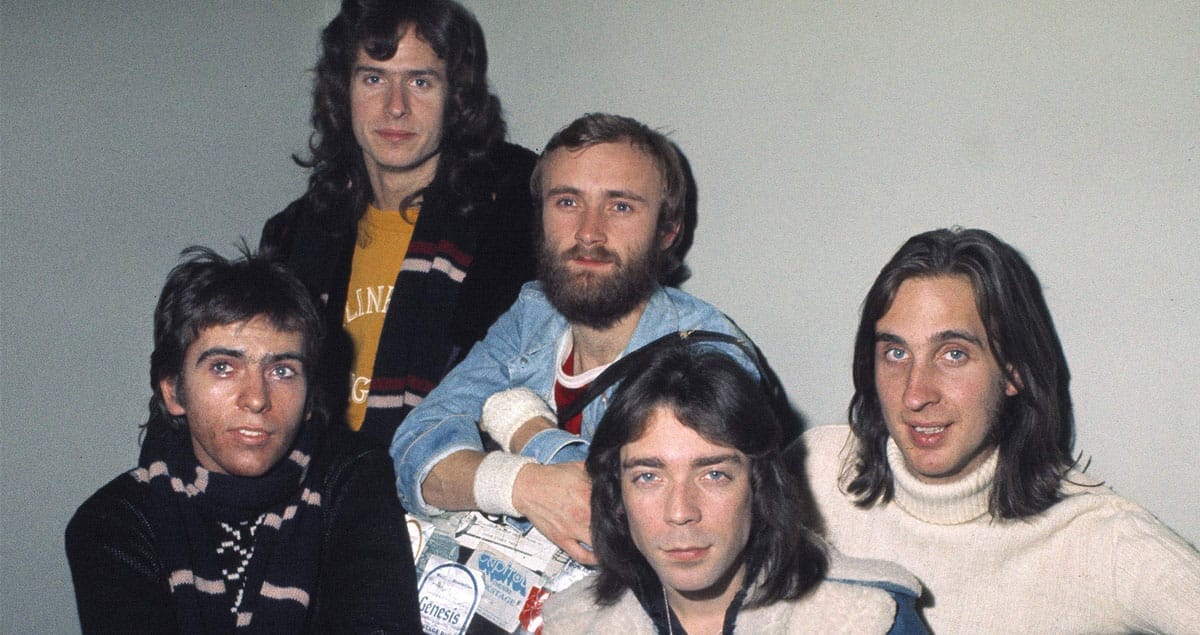
Genesis

Genesis: Anlatı Hırsı, Yapısal Evrim ve İlerici Rock’tan Pop’a Geçiş

Hızlı Bilgiler

Kuruluş: 1967
Köken: Godalming, Surrey, İngiltere
Türler: İlerici Rock, Sanat Rock, Pop Rock
Klasik İlerici Dönem Kadrosu: Peter Gabriel, Tony Banks, Mike Rutherford, Steve Hackett, Phil Collins
Sonraki Pop Dönemi Çekirdek: Phil Collins, Tony Banks, Mike Rutherford
Faaliyet Yılları: 1967–2022


Köken Hikayesi – Okul Oluşumu ve Erken Yönelim

Genesis, 1967 yılında Charterhouse Okulu’nda öğrenciler tarafından kuruldu. Kurucu üyeler arasında Peter Gabriel, Tony Banks, Mike Rutherford, Anthony Phillips ve Chris Stewart yer aldı.

En erken kayıtları, daha sonra tanındıkları genişletilmiş ilerici tarzdan ziyade barok pop etkilerini yansıtıyordu. Genesis’in daha belirgin bir kimlik geliştirmesi 1970’lerin başını buldu.

1970 yılında davulcu Phil Collins’in katılması ritmik esnekliği güçlendirdi. Gitarist Steve Hackett kısa süre içinde katıldı ve genellikle klasik ilerici kadro olarak kabul edilen grubu tamamladı.

Bu yapı ile Genesis, uzun formlu kompozisyon ve tiyatral sunuma kararlı bir şekilde yöneldi.


Dönüm Noktası – Nursery Cryme ve Foxtrot

Nursery Cryme (1971) ve Foxtrot (1972) gibi albümler, karmaşık düzenlemelere ve anlatı odaklı şarkı yazımına geçişi işaret etti.

Peter Gabriel’in sahne varlığı giderek daha tiyatral hale geldi. Canlı performansları geliştirmek için kostümler ve karakter sesleri kullandı. Grup, aşağıdakileri içeren karmaşık kompozisyonları benimsedi:

  • Uzun enstrümantal pasajlar

  • Zaman imzalarının değişimi

  • Hikaye temelli sözler

“Watcher of the Skies” ve “Supper’s Ready”, dönemin diğer ilerici liderleriyle karşılaştırılabilir yapısal hırsı gösterdi.

Genesis, kendilerini Britanya ilerici rockının merkezi aktörleri arasında konumlandırdı.


Dönüm Noktası Albümü – Selling England by the Pound (1973)

Selling England by the Pound, grubun ilerici zirvesi olarak geniş çapta kabul edilmektedir.

Albüm, İngiliz kültürel referanslarını katmanlı enstrümantasyonla birleştirdi. Tony Banks’ın klavye çalışması armonik derinlik sağlarken, Hackett’in gitarı sürdürülen melodik ifadeyi tanıttı.

Anahtar özellikler şunlardır:

  • Çok bölümlü kompozisyonlar

  • Orkestra tarzı klavye dokuları

  • Ayrıntılı lirik imgeler

“Firth of Fifth” gibi parçalar, uzun enstrümantal girişler ve yapılandırılmış gitar soloları sergiledi.

Albüm, Genesis’i teknik olarak yetkin ve kavramsal olarak hırslı bir grup olarak pekiştirdi.
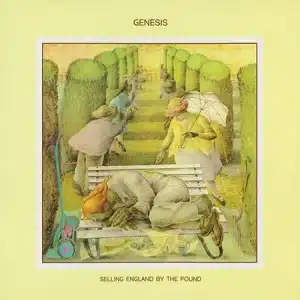
Genesis + Selling England by the Pound + Album


İmza Şarkı – Supper’s Ready

“Supper’s Ready,” Foxtrot albümünden, 20 dakikadan fazla süren çok parçalı bir kompozisyondur.

Şarkı, farklı tempolar ve ton merkezleri ile belirgin bölümler arasında geçiş yapar. Peter Gabriel’in sözleri, gerçeküstü imgeleri alegorik hikaye anlatımı ile harmanlar.

Kompozisyon, birkaç ilerici ilkeyi yansıtır:

  • Tematik tekrar

  • Enstrümantal gelişim

  • Anlatı ilerlemesi

Tekrar üzerine odaklanmak yerine, parça hareketi vurgular.

Bu, 1970’lerin başındaki ilerici rock yapısının tanımlayıcı bir örneği olarak kalır.


Geçiş – Peter Gabriel’in Ayrılışı

1975’te, Peter Gabriel gruptan ayrıldı.

Dışarıdan bir vokalist almak yerine, davulcu Phil Collins, ritmik katkılarına devam ederken ana vokal görevini üstlendi.

Bu değişim, grubun yönünü değiştirdi.

A Trick of the Tail (1976) gibi albümlerde ilerici unsurları korurken, Genesis yavaş yavaş şarkı yazımını sadeleştirdi.

Steve Hackett 1977’de ayrıldı ve kadro daha da daraldı.

Collins, Banks ve Rutherford’dan oluşan üçlü uzun vadeli çekirdek haline geldi.


Pop Odaklı Yeniden Yaratım – 1980’ler Dönemi

1980’lerde, Genesis daha kısa şarkı formatları ve elektronik dokular benimsedi.

Duke (1980), Invisible Touch (1986) ve We Can’t Dance (1991) gibi albümler şunları vurguladı:

  • Kısa düzenlemeler

  • Güçlü nakaratlar

  • Sentezleyici odaklı prodüksiyon

“Invisible Touch,” Amerika Birleşik Devletleri’nde bir numara olarak en büyük ticari başarıları oldu.

Grup, ilerici yenilikçilerden ana akım pop-rock liderlerine geçiş yaptı.

Bu değişim, izleyici kitlesini genişletti ancak uzun süreli ilerici dinleyicileri böldü.


Üyeler (Klasik İlerici Dönem)

Peter Gabriel – Vokal
Tony Banks – Klavye
Mike Rutherford – Bas/Gitar
Steve Hackett – Gitar
Phil Collins – Davul (sonradan Vokal)

Tony Banks ve Mike Rutherford, grubun tarihinin çoğu boyunca sürekli üyeler olarak kaldı.


Seçilen Stüdyo Diskografisi Öne Çıkanlar

Trespass (1970)
Nursery Cryme (1971)
Foxtrot (1972)
Selling England by the Pound (1973)
The Lamb Lies Down on Broadway (1974)
A Trick of the Tail (1976)
Duke (1980)
Invisible Touch (1986)
We Can’t Dance (1991)


Rock’a Yapısal Katkı

Genesis, rock müziğini şu şekilde etkiledi:

  1. Tiyatro Anlatımı
    Erken albümler, anlatı yapısını canlı performans unsurlarıyla entegre etti.

  2. Klavye Odaklı Düzenleme
    Tony Banks’ın armonik kontrolü, grubun ses yoğunluğunu şekillendirdi.

  3. Başarılı Tür Geçişi
    İlerici bir grubun ana akım pop’a kayabileceğini gösterdiler.

  4. Albüm Düzeyinde Bütünlük
    Kavram sürekliliği, 1970’ler döneminde karakterize etti.

Stilsel katılığı koruyan grupların aksine, Genesis dönemler boyunca uyum sağladı.


Miras

Genesis, çift yönlü bir mirasa sahiptir.

1970’lerde, anlatı hırsı ve yapısal karmaşıklıkla ilerici yenilikçilerdi. 1980’lerde, küresel pop-rock figürleri haline geldiler.

Bu iki kimliği başarıyla birleştiren çok az grup vardır.

Etkileri, ilerici rock tutkunları ve ana akım dinleyiciler arasında yayılmaktadır.

Genesis sabit kalmadı.

Önemli ölçüde evrildi ve on yıllar boyunca geçerliliğini sürdürdü.

Genesis

Genesis : Ambition narrative, évolution structurelle et passage du rock progressif à la pop

Faits rapides

Fondé : 1967
Origine : Godalming, Surrey, Angleterre
Genres : Rock progressif, Art rock, Pop rock
Formation classique de l’ère progressive : Peter Gabriel, Tony Banks, Mike Rutherford, Steve Hackett, Phil Collins
Noyau de l’ère pop ultérieure : Phil Collins, Tony Banks, Mike Rutherford
Années actives : 1967–2022


Histoire d’origine – Formation scolaire et direction précoce

Genesis a été formé en 1967 par des étudiants de la Charterhouse School. Les membres fondateurs comprenaient Peter Gabriel, Tony Banks, Mike Rutherford, Anthony Phillips et Chris Stewart.

Leurs premiers enregistrements reflétaient des influences de pop baroque plutôt que le style progressif expansif pour lequel ils sont devenus connus par la suite. Ce n’est qu’au début des années 1970 que Genesis a développé une identité plus distincte.

L’ajout du batteur Phil Collins en 1970 a renforcé la flexibilité rythmique. Le guitariste Steve Hackett a rapidement rejoint, complétant ce qui est souvent considéré comme la formation classique du progressive.

Avec cette configuration, Genesis s’est dirigé de manière décisive vers la composition longue et la présentation théâtrale.


Le tournant – Nursery Cryme et Foxtrot

Des albums tels que Nursery Cryme (1971) et Foxtrot (1972) ont marqué un tournant vers des arrangements complexes et une écriture de chansons axée sur la narration.

La présence scénique de Peter Gabriel est devenue de plus en plus théâtrale. Il utilisait des costumes et des voix de personnages pour améliorer les performances en direct. Le groupe a embrassé des compositions élaborées comprenant :

  • Passages instrumentaux étendus

  • Changements de signatures temporelles

  • Paroles basées sur des histoires

“Watcher of the Skies” et “Supper’s Ready” ont démontré une ambition structurelle comparable à d’autres leaders progressifs de l’époque.

Genesis s’est positionné parmi les groupes centraux du rock progressif britannique.


Album marquant – Selling England by the Pound (1973)

Selling England by the Pound est largement considéré comme le sommet progressif du groupe.

L’album a combiné des références culturelles anglaises avec une instrumentation superposée. Le travail de clavier de Tony Banks a fourni une profondeur harmonique, tandis que la guitare de Hackett a introduit des phrasés mélodiques soutenus.

Les caractéristiques clés incluent :

  • Compositions multi-sections

  • Textures de clavier de style orchestral

  • Imagerie lyrique détaillée

Des morceaux tels que “Firth of Fifth” ont mis en avant des introductions instrumentales étendues et des solos de guitare structurés.

L’album a solidifié Genesis en tant que groupe techniquement compétent et conceptuellement ambitieux.

Genesis + Selling England by the Pound + Album


Chanson signature – Supper’s Ready

“Supper’s Ready,” de Foxtrot, est une composition en plusieurs parties s’étendant sur plus de 20 minutes.

La chanson passe par des sections distinctes avec des tempos et des centres tonals variés. Les paroles de Peter Gabriel mélangent imagerie surréaliste et narration allégorique.

La composition reflète plusieurs principes progressifs :

  • Récurrence thématique

  • Développement instrumental

  • Progression narrative

Plutôt que de se concentrer sur la répétition, la pièce met l’accent sur le mouvement.

Elle reste un exemple déterminant de la structure du rock progressif du début des années 1970.


Transition – Le départ de Peter Gabriel

En 1975, Peter Gabriel a quitté le groupe.

Plutôt que de recruter un chanteur externe, le batteur Phil Collins a assumé les fonctions de chanteur principal tout en continuant à contribuer rythmiquement.

Ce changement a modifié la trajectoire du groupe.

Tout en conservant des éléments progressifs sur des albums tels que A Trick of the Tail (1976), Genesis a progressivement rationalisé son écriture.

Steve Hackett est parti en 1977, réduisant encore la formation.

Le trio Collins, Banks et Rutherford est devenu le noyau à long terme.


Réinvention orientée pop – L’ère des années 1980

Au cours des années 1980, Genesis a adopté des formats de chansons plus courts et des textures électroniques.

Des albums tels que Duke (1980), Invisible Touch (1986) et We Can’t Dance (1991) ont mis l’accent sur :

  • Arrangements concis

  • Chœurs puissants

  • Production axée sur les synthétiseurs

“Invisible Touch” est devenu leur plus grand succès commercial, atteignant la première place aux États-Unis.

Le groupe est passé d’innovateurs progressifs à leaders du pop-rock grand public.

Ce changement a élargi leur public mais a divisé les auditeurs progressifs de longue date.


Membres (ère progressive classique)

Peter Gabriel – Voix
Tony Banks – Claviers
Mike Rutherford – Basse/Guitare
Steve Hackett – Guitare
Phil Collins – Batterie (plus tard Voix)

Tony Banks et Mike Rutherford sont restés des membres constants tout au long de la majeure partie de l’histoire du groupe.


Points forts de la discographie studio sélectionnée

Trespass (1970)
Nursery Cryme (1971)
Foxtrot (1972)
Selling England by the Pound (1973)
The Lamb Lies Down on Broadway (1974)
A Trick of the Tail (1976)
Duke (1980)
Invisible Touch (1986)
We Can’t Dance (1991)


Contribution structurelle au rock

Genesis a influencé le rock à travers :

  1. Narration théâtrale
    Les premiers albums ont intégré une structure narrative avec des éléments de performance en direct.

  2. Arrangement dirigé par le clavier
    Le contrôle harmonique de Tony Banks a façonné la densité sonore du groupe.

  3. Transition de genre réussie
    Ils ont démontré qu’un groupe progressif pouvait pivoter vers la pop grand public sans se dissoudre.

  4. Cohésion au niveau de l’album
    La continuité conceptuelle a caractérisé leur production des années 1970.

Contrairement aux groupes qui maintenaient une rigidité stylistique, Genesis s’est adapté à travers les époques.


Héritage

Genesis occupe un double héritage.

Dans les années 1970, ils étaient des innovateurs progressifs avec une ambition narrative et une complexité structurelle. Dans les années 1980, ils sont devenus des figures mondiales du pop-rock.

Peu de groupes ont réussi à établir un pont entre ces deux identités.

Leur impact s’étend à la fois aux passionnés de rock progressif et aux publics grand public.

Genesis n’est pas resté figé.

Ils ont évolué — de manière significative — et ont maintenu leur pertinence à travers les décennies.

Genesis

Genesis: Narratieve Ambitie, Structurele Evolutie, en de Overgang van Progressieve Rock naar Pop

Feiten

Opgericht: 1967
Oorsprong: Godalming, Surrey, Engeland
Genres: Progressieve Rock, Art Rock, Pop Rock
Klassieke Progressieve Era Line-Up: Peter Gabriel, Tony Banks, Mike Rutherford, Steve Hackett, Phil Collins
Latere Pop Era Kern: Phil Collins, Tony Banks, Mike Rutherford
Actieve Jaren: 1967–2022


Oorsprongsverhaal – Schoolvorming en Vroege Richting

Genesis werd in 1967 opgericht door studenten van Charterhouse School. De oprichters waren Peter Gabriel, Tony Banks, Mike Rutherford, Anthony Phillips, en Chris Stewart.

Hun vroegste opnames weerspiegelden barokpop-invloeden in plaats van de uitgebreide progressieve stijl waarvoor ze later bekend werden. Pas in de vroege jaren ’70 ontwikkelde Genesis een meer onderscheidende identiteit.

De toevoeging van drummer Phil Collins in 1970 versterkte de ritmische flexibiliteit. Gitarist Steve Hackett voegde zich al snel toe, waarmee de klassieke progressieve line-up vaak als compleet wordt beschouwd.

Met deze configuratie bewoog Genesis zich resoluut richting lange composities en theatrale presentatie.


Het Keerpunt – Nursery Cryme en Foxtrot

Albums zoals Nursery Cryme (1971) en Foxtrot (1972) markeerden een verschuiving naar complexe arrangementen en narratief-gedreven songwriting.

Peter Gabriel’s podiumaanwezigheid werd steeds theatraler. Hij gebruikte kostuums en karakterstemmen om live optredens te verbeteren. De band omarmde uitgebreide composities met:

  • Uitgebreide instrumentale passages

  • Veranderende maatsoorten

  • Verhaal-gebaseerde songteksten

“Watcher of the Skies” en “Supper’s Ready” demonstreerden structurele ambitie die vergelijkbaar is met andere progressieve leiders van die tijd.

Genesis positioneerde zichzelf onder de centrale acts van de Britse progressieve rock.


Mijlpaal Album – Selling England by the Pound (1973)

Selling England by the Pound wordt algemeen beschouwd als de progressieve piek van de band.

Het album combineerde Engelse culturele referenties met gelaagde instrumentatie. Het keyboardwerk van Tony Banks zorgde voor harmonische diepte, terwijl Hackett’s gitaar een aanhoudende melodische frasering introduceerde.

Belangrijke kenmerken zijn:

  • Multi-sectie composities

  • Orkestrale keyboardtexturen

  • Gedetailleerde lyrische beelden

Nummers zoals “Firth of Fifth” toonden uitgebreide instrumentale introducties en gestructureerde gelaagdheid van gitaarsolo’s.

Het album verstevigde Genesis als een technisch bekwame en conceptueel ambitieuze band.

Genesis + Selling England by the Pound + Album


Handtekening Nummer – Supper’s Ready

“Supper’s Ready,” van Foxtrot, is een meer-delige compositie die meer dan 20 minuten duurt.

Het nummer beweegt door verschillende secties met variërende tempo’s en tonale centra. Peter Gabriel’s teksten combineren surrealistische beelden met allegorisch vertellen.

De compositie weerspiegelt verschillende progressieve principes:

  • Thema-herhaling

  • Instrumentale ontwikkeling

  • Narratieve voortgang

In plaats van te focussen op herhaling, benadrukt het stuk beweging.

Het blijft een bepalend voorbeeld van de structuur van progressieve rock uit de vroege jaren ’70.


Overgang – Peter Gabriel’s Vertrek

In 1975 verliet Peter Gabriel de band.

In plaats van een externe zanger te werven, nam drummer Phil Collins de leadzang op zich terwijl hij ritmisch bleef bijdragen.

Deze verschuiving veranderde de koers van de band.

Terwijl ze progressieve elementen behielden op albums zoals A Trick of the Tail (1976), stroomlijnde Genesis geleidelijk hun songwriting.

Steve Hackett vertrok in 1977, waardoor de line-up verder werd ingeperkt.

Het trio van Collins, Banks, en Rutherford werd de langdurige kern.


Pop-georiënteerde Vernieuwing – Jaren ’80

Tijdens de jaren ’80 nam Genesis kortere songformaten en elektronische texturen aan.

Albums zoals Duke (1980), Invisible Touch (1986), en We Can’t Dance (1991) benadrukten:

  • Bondige arrangementen

  • Sterke refreinen

  • Synthesizer-gedreven productie

“Invisible Touch” werd hun grootste commerciële succes en bereikte nummer één in de Verenigde Staten.

De band transformeerde van progressieve vernieuwers naar mainstream pop-rock leiders.

Deze verschuiving breidde hun publiek uit, maar verdeelde langdurige progressieve luisteraars.


Leden (Klassieke Progressieve Era)

Peter Gabriel – Zang
Tony Banks – Toetsen
Mike Rutherford – Bas/Gitaar
Steve Hackett – Gitaar
Phil Collins – Drums (later Zang)

Tony Banks en Mike Rutherford bleven constante leden gedurende het grootste deel van de geschiedenis van de band.


Geselecteerde Studio Discografie Hoogtepunten

Trespass (1970)
Nursery Cryme (1971)
Foxtrot (1972)
Selling England by the Pound (1973)
The Lamb Lies Down on Broadway (1974)
A Trick of the Tail (1976)
Duke (1980)
Invisible Touch (1986)
We Can’t Dance (1991)


Structurele Bijdrage aan Rock

Genesis beïnvloedde rock door:

  1. Theatrale Verhaallijn
    Vroege albums integreerden narratieve structuur met elementen van live-optredens.

  2. Keyboard-geleide Arrangementen
    Tony Banks’ harmonische controle vormde de sonische dichtheid van de band.

  3. Succesvolle Genre-overgang
    Ze toonden aan dat een progressieve band zich naar mainstream pop kon draaien zonder te vervagen.

  4. Album-niveau Cohesie
    Conceptuele continuïteit kenmerkte hun output in de jaren ’70.

In tegenstelling tot bands die stylistische rigiditeit handhaafden, paste Genesis zich aan over de tijd.


Erfenis

Genesis heeft een dubbele erfenis.

In de jaren ’70 waren ze progressieve vernieuwers met narratieve ambitie en structurele complexiteit. In de jaren ’80 werden ze wereldwijde pop-rockfiguren.

Weinig bands zijn erin geslaagd om die twee identiteiten te overbruggen.

Hun impact strekt zich uit over zowel progressieve rockliefhebbers als mainstreampubliek.

Genesis bleef niet vastzitten.

Ze evolueerden — aanzienlijk — en behielden relevantie over de decennia.

Genesis

Genesis: Narrative Ambition, Structural Evolution und der Übergang von Progressive Rock zu Pop

Kurzinformationen

Gegründet: 1967
Herkunft: Godalming, Surrey, England
Genres: Progressive Rock, Art Rock, Pop Rock
Klassische Progressive Ära Besetzung: Peter Gabriel, Tony Banks, Mike Rutherford, Steve Hackett, Phil Collins
Spätere Pop Ära Kerngruppe: Phil Collins, Tony Banks, Mike Rutherford
Aktive Jahre: 1967–2022


Ursprungsgeschichte – Schulgründung und frühe Richtung

Genesis wurde 1967 von Schülern der Charterhouse School gegründet. Zu den Gründungsmitgliedern gehörten Peter Gabriel, Tony Banks, Mike Rutherford, Anthony Phillips und Chris Stewart.

Ihre frühesten Aufnahmen spiegelten barocke Pop-Einflüsse wider, anstatt den expansiven progressiven Stil, für den sie später bekannt wurden. Erst in den frühen 1970er Jahren entwickelte Genesis eine deutlichere Identität.

Die Hinzufügung des Schlagzeugers Phil Collins im Jahr 1970 stärkte die rhythmische Flexibilität. Der Gitarrist Steve Hackett trat bald darauf bei und vervollständigte das, was oft als die klassische progressive Besetzung angesehen wird.

Mit dieser Konfiguration bewegte sich Genesis entschieden in Richtung Langform-Komposition und theatralischer Präsentation.


Der Wendepunkt – Nursery Cryme und Foxtrot

Alben wie Nursery Cryme (1971) und Foxtrot (1972) markierten einen Übergang zu komplexen Arrangements und narrativ getriebenem Songwriting.

Peter Gabriels Bühnenpräsenz wurde zunehmend theatralisch. Er verwendete Kostüme und Charakterstimmen, um Live-Auftritte zu bereichern. Die Band umarmte aufwendige Kompositionen mit:

  • Erweiterte instrumentale Passagen

  • Wechselnde Taktarten

  • Geschichtenbasierte Texte

“Watcher of the Skies” und “Supper’s Ready” demonstrierten strukturelle Ambitionen, die mit anderen progressiven Führern der Ära vergleichbar sind.

Genesis positionierte sich unter den zentralen Akteuren des britischen Progressive Rock.


Meilenstein-Album – Selling England by the Pound (1973)

Selling England by the Pound wird weithin als der progressive Höhepunkt der Band angesehen.

Das Album kombinierte englische Kulturreferenzen mit geschichteten Instrumentierungen. Tony Banks’ Keyboardarbeit verlieh harmonische Tiefe, während Hacketts Gitarre nachhaltige melodische Phrasierungen einführte.

Wesentliche Merkmale sind:

  • Mehrteilige Kompositionen

  • Orchesterartige Keyboard-Texturen

  • Detaillierte lyrische Bilder

Tracks wie “Firth of Fifth” zeigten erweiterte instrumentale Einleitungen und strukturierte Gitarrensoli.

Das Album festigte Genesis als technisch versierte und konzeptionell ambitionierte Band.

Genesis + Selling England by the Pound + Album


Signatur-Song – Supper’s Ready

“Supper’s Ready,” aus Foxtrot, ist eine mehrteilige Komposition, die über 20 Minuten dauert.

Der Song bewegt sich durch verschiedene Abschnitte mit wechselnden Tempi und Tonzentren. Peter Gabriels Texte verbinden surreale Bilder mit allegorischem Geschichtenerzählen.

Die Komposition spiegelt mehrere progressive Prinzipien wider:

  • Themenwiederholung

  • Instrumentale Entwicklung

  • Narrative Progression

Anstatt sich auf Wiederholung zu konzentrieren, betont das Stück Bewegung.

Es bleibt ein prägendes Beispiel für die Struktur des frühen Progressive Rock der 1970er Jahre.


Übergang – Peter Gabriels Abgang

Im Jahr 1975 verließ Peter Gabriel die Band.

Anstatt einen externen Sänger zu rekrutieren, übernahm Schlagzeuger Phil Collins die Hauptgesangspflichten, während er weiterhin rhythmisch beitrug.

Dieser Wechsel veränderte die Richtung der Band.

Während sie progressive Elemente in Alben wie A Trick of the Tail (1976) beibehielten, straffte Genesis allmählich ihr Songwriting.

Steve Hackett verließ 1977 die Band, was die Besetzung weiter verengte.

Das Trio Collins, Banks und Rutherford wurde zum langfristigen Kern.


Pop-orientierte Neuerfindung – 1980er Ära

In den 1980er Jahren nahm Genesis kürzere Songformate und elektronische Texturen an.

Alben wie Duke (1980), Invisible Touch (1986) und We Can’t Dance (1991) betonten:

  • Kompakte Arrangements

  • Starke Refrains

  • Synthesizer-gesteuerte Produktion

“Invisible Touch” wurde ihr größter kommerzieller Erfolg und erreichte Platz eins in den Vereinigten Staaten.

Die Band wechselte von progressiven Innovatoren zu führenden Pop-Rock-Acts.

Dieser Wandel erweiterte ihr Publikum, spaltete jedoch langjährige progressive Hörer.


Mitglieder (Klassische Progressive Ära)

Peter Gabriel – Gesang
Tony Banks – Keyboards
Mike Rutherford – Bass/Gitarre
Steve Hackett – Gitarre
Phil Collins – Schlagzeug (später Gesang)

Tony Banks und Mike Rutherford blieben während der meisten Geschichte der Band konstante Mitglieder.


Ausgewählte Höhepunkte der Studio-Diskografie

Trespass (1970)
Nursery Cryme (1971)
Foxtrot (1972)
Selling England by the Pound (1973)
The Lamb Lies Down on Broadway (1974)
A Trick of the Tail (1976)
Duke (1980)
Invisible Touch (1986)
We Can’t Dance (1991)


Struktureller Beitrag zum Rock

Genesis beeinflusste den Rock durch:

  1. Theatrales Geschichtenerzählen
    Frühe Alben integrierten narrative Strukturen mit Elementen der Live-Performance.

  2. Keyboard-geführte Arrangements
    Tony Banks’ harmonische Kontrolle prägte die klangliche Dichte der Band.

  3. Erfolgreicher Genre-Übergang
    Sie zeigten, dass eine progressive Band sich in Richtung Mainstream-Pop bewegen konnte, ohne sich aufzulösen.

  4. Albumübergreifende Kohäsion
    Konzeptionelle Kontinuität prägte ihre Veröffentlichungen der 1970er Jahre.

Im Gegensatz zu Bands, die stilistische Starrheit beibehielten, passte sich Genesis über die Epochen hinweg an.


Vermächtnis

Genesis hat ein doppeltes Vermächtnis.

In den 1970er Jahren waren sie progressive Innovatoren mit narrativer Ambition und struktureller Komplexität. In den 1980er Jahren wurden sie zu globalen Pop-Rock-Figuren.

Wenige Bands haben es geschafft, diese beiden Identitäten zu überbrücken.

Ihr Einfluss erstreckt sich sowohl auf progressive Rock-Enthusiasten als auch auf das Mainstream-Publikum.

Genesis blieb nicht fixiert.

Sie entwickelten sich – erheblich – und hielten über Jahrzehnte hinweg Relevanz.

Genesis

Genesis: Narrative Ambition, Structural Evolution, and the Shift from Progressive Rock to Pop

Quick Facts

Founded: 1967
Origin: Godalming, Surrey, England
Genres: Progressive Rock, Art Rock, Pop Rock
Classic Progressive Era Line-Up: Peter Gabriel, Tony Banks, Mike Rutherford, Steve Hackett, Phil Collins
Later Pop Era Core: Phil Collins, Tony Banks, Mike Rutherford
Years Active: 1967–2022


Origin Story – School Formation and Early Direction

Genesis was formed in 1967 by students at Charterhouse School. The founding members included Peter Gabriel, Tony Banks, Mike Rutherford, Anthony Phillips, and Chris Stewart.

Their earliest recordings reflected baroque pop influences rather than the expansive progressive style they later became known for. It was not until the early 1970s that Genesis developed a more distinct identity.

The addition of drummer Phil Collins in 1970 strengthened rhythmic flexibility. Guitarist Steve Hackett soon joined, completing what is often considered the classic progressive lineup.

With this configuration, Genesis moved decisively toward long-form composition and theatrical presentation.


The Turning Point – Nursery Cryme and Foxtrot

Albums such as Nursery Cryme (1971) and Foxtrot (1972) marked a shift toward complex arrangements and narrative-driven songwriting.

Peter Gabriel’s stage presence became increasingly theatrical. He used costumes and character voices to enhance live performances. The band embraced elaborate compositions featuring:

  • Extended instrumental passages

  • Shifting time signatures

  • Story-based lyrics

“Watcher of the Skies” and “Supper’s Ready” demonstrated structural ambition comparable to other progressive leaders of the era.

Genesis positioned themselves among the central acts of British progressive rock.


Milestone Album – Selling England by the Pound (1973)

Selling England by the Pound is widely regarded as the band’s progressive peak.

The album combined English cultural references with layered instrumentation. Tony Banks’ keyboard work provided harmonic depth, while Hackett’s guitar introduced sustained melodic phrasing.

Key characteristics include:

  • Multi-section compositions

  • Orchestral-style keyboard textures

  • Detailed lyrical imagery

Tracks such as “Firth of Fifth” showcased extended instrumental introductions and structured guitar solos.

The album solidified Genesis as a technically proficient and conceptually ambitious band.

Genesis + Selling England by the Pound + Album


Signature Song – Supper’s Ready

“Supper’s Ready,” from Foxtrot, is a multi-part composition spanning over 20 minutes.

The song moves through distinct sections with varying tempos and tonal centers. Peter Gabriel’s lyrics blend surreal imagery with allegorical storytelling.

The composition reflects several progressive principles:

  • Thematic recurrence

  • Instrumental development

  • Narrative progression

Rather than focusing on repetition, the piece emphasizes movement.

It remains a defining example of early 1970s progressive rock structure.


Transition – Peter Gabriel’s Departure

In 1975, Peter Gabriel left the band.

Rather than recruiting an external vocalist, drummer Phil Collins assumed lead vocal duties while continuing to contribute rhythmically.

This shift altered the band’s trajectory.

While retaining progressive elements on albums such as A Trick of the Tail (1976), Genesis gradually streamlined their songwriting.

Steve Hackett departed in 1977, further narrowing the lineup.

The trio of Collins, Banks, and Rutherford became the long-term core.


Pop-Oriented Reinvention – 1980s Era

During the 1980s, Genesis adopted shorter song formats and electronic textures.

Albums such as Duke (1980), Invisible Touch (1986), and We Can’t Dance (1991) emphasized:

  • Concise arrangements

  • Strong choruses

  • Synthesizer-driven production

“Invisible Touch” became their biggest commercial success, reaching number one in the United States.

The band transitioned from progressive innovators to mainstream pop-rock leaders.

This shift expanded their audience but divided longtime progressive listeners.


Members (Classic Progressive Era)

Peter Gabriel – Vocals
Tony Banks – Keyboards
Mike Rutherford – Bass/Guitar
Steve Hackett – Guitar
Phil Collins – Drums (later Vocals)

Tony Banks and Mike Rutherford remained constant members throughout most of the band’s history.


Selected Studio Discography Highlights

Trespass (1970)
Nursery Cryme (1971)
Foxtrot (1972)
Selling England by the Pound (1973)
The Lamb Lies Down on Broadway (1974)
A Trick of the Tail (1976)
Duke (1980)
Invisible Touch (1986)
We Can’t Dance (1991)


Structural Contribution to Rock

Genesis influenced rock through:

  1. Theatrical Storytelling
    Early albums integrated narrative structure with live performance elements.

  2. Keyboard-Led Arrangement
    Tony Banks’ harmonic control shaped the band’s sonic density.

  3. Successful Genre Transition
    They demonstrated that a progressive band could pivot toward mainstream pop without dissolving.

  4. Album-Level Cohesion
    Conceptual continuity characterized their 1970s output.

Unlike bands that maintained stylistic rigidity, Genesis adapted across eras.


Legacy

Genesis occupies a dual legacy.

In the 1970s, they were progressive innovators with narrative ambition and structural complexity. In the 1980s, they became global pop-rock figures.

Few bands successfully bridged those two identities.

Their impact spans progressive rock enthusiasts and mainstream audiences alike.

Genesis did not remain fixed.

They evolved — significantly — and sustained relevance across decades.

Genesis

Genesis: Ambición narrativa, evolución estructural y el cambio del rock progresivo al pop

Datos Rápidos

Fundado: 1967
Origen: Godalming, Surrey, Inglaterra
Géneros: Rock Progresivo, Rock Artístico, Rock Pop
Formación Clásica de la Era Progresiva: Peter Gabriel, Tony Banks, Mike Rutherford, Steve Hackett, Phil Collins
Núcleo de la Era Pop Posterior: Phil Collins, Tony Banks, Mike Rutherford
Años Activos: 1967–2022


Historia de Origen – Formación Escolar y Primera Dirección

Genesis se formó en 1967 por estudiantes de la Escuela Charterhouse. Los miembros fundadores incluyeron a Peter Gabriel, Tony Banks, Mike Rutherford, Anthony Phillips y Chris Stewart.

Sus primeras grabaciones reflejaron influencias de pop barroco en lugar del estilo progresivo expansivo por el que más tarde se hicieron conocidos. No fue hasta principios de la década de 1970 que Genesis desarrolló una identidad más distintiva.

La adición del baterista Phil Collins en 1970 fortaleció la flexibilidad rítmica. El guitarrista Steve Hackett se unió pronto, completando lo que a menudo se considera la formación clásica progresiva.

Con esta configuración, Genesis se movió decididamente hacia la composición de larga duración y la presentación teatral.


El Punto de Inflexión – Nursery Cryme y Foxtrot

Álbumes como Nursery Cryme (1971) y Foxtrot (1972) marcaron un cambio hacia arreglos complejos y una composición impulsada por la narrativa.

La presencia escénica de Peter Gabriel se volvió cada vez más teatral. Usó disfraces y voces de personajes para mejorar las presentaciones en vivo. La banda abrazó composiciones elaboradas que presentaban:

  • Pasajes instrumentales extendidos

  • Cambios en las firmas de tiempo

  • Letras basadas en historias

“Watcher of the Skies” y “Supper’s Ready” demostraron una ambición estructural comparable a otros líderes progresivos de la época.

Genesis se posicionó entre los actos centrales del rock progresivo británico.


Álbum Hito – Selling England by the Pound (1973)

Selling England by the Pound es ampliamente considerado como el pico progresivo de la banda.

El álbum combinó referencias culturales inglesas con instrumentación en capas. El trabajo de teclado de Tony Banks proporcionó profundidad armónica, mientras que la guitarra de Hackett introdujo frases melódicas sostenidas.

Las características clave incluyen:

  • Composiciones de múltiples secciones

  • Texturas de teclado al estilo orquestal

  • Imágenes líricas detalladas

Temas como “Firth of Fifth” mostraron introducciones instrumentales extendidas y solos de guitarra estructurados.

El álbum consolidó a Genesis como una banda técnicamente competente y conceptualmente ambiciosa.

Genesis + Selling England by the Pound + Album


Canción Emblemática – Supper’s Ready

“Supper’s Ready,” de Foxtrot, es una composición multipartita que abarca más de 20 minutos.

La canción se mueve a través de secciones distintas con tempos y centros tonales variables. Las letras de Peter Gabriel combinan imágenes surrealistas con narraciones alegóricas.

La composición refleja varios principios progresivos:

  • Recurrencia temática

  • Desarrollo instrumental

  • Progresión narrativa

En lugar de centrarse en la repetición, la pieza enfatiza el movimiento.

Sigue siendo un ejemplo definitorio de la estructura del rock progresivo de principios de la década de 1970.


Transición – La Salida de Peter Gabriel

En 1975, Peter Gabriel dejó la banda.

En lugar de reclutar a un vocalista externo, el baterista Phil Collins asumió las funciones de vocalista principal mientras continuaba contribuyendo rítmicamente.

Este cambio alteró la trayectoria de la banda.

Si bien retuvieron elementos progresivos en álbumes como A Trick of the Tail (1976), Genesis gradualmente simplificó su composición.

Steve Hackett se fue en 1977, reduciendo aún más la formación.

El trío de Collins, Banks y Rutherford se convirtió en el núcleo a largo plazo.


Reinvención Orientada al Pop – Era de los 80

Durante la década de 1980, Genesis adoptó formatos de canciones más cortos y texturas electrónicas.

Álbumes como Duke (1980), Invisible Touch (1986) y We Can’t Dance (1991) enfatizaron:

  • Arreglos concisos

  • Coros fuertes

  • Producción impulsada por sintetizadores

“Invisible Touch” se convirtió en su mayor éxito comercial, alcanzando el número uno en los Estados Unidos.

La banda pasó de ser innovadores progresivos a líderes del pop-rock comercial.

Este cambio amplió su audiencia pero dividió a los oyentes progresivos de larga data.


Miembros (Era Progresiva Clásica)

Peter Gabriel – Voces
Tony Banks – Teclados
Mike Rutherford – Bajo/Guitarra
Steve Hackett – Guitarra
Phil Collins – Batería (más tarde Voces)

Tony Banks y Mike Rutherford permanecieron como miembros constantes a lo largo de la mayor parte de la historia de la banda.


Destacados Seleccionados de la Discografía de Estudio

Trespass (1970)
Nursery Cryme (1971)
Foxtrot (1972)
Selling England by the Pound (1973)
The Lamb Lies Down on Broadway (1974)
A Trick of the Tail (1976)
Duke (1980)
Invisible Touch (1986)
We Can’t Dance (1991)


Contribución Estructural al Rock

Genesis influyó en el rock a través de:

  1. Narración Teatral
    Los primeros álbumes integraron la estructura narrativa con elementos de actuación en vivo.

  2. Arreglo Liderado por Teclados
    El control armónico de Tony Banks moldeó la densidad sonora de la banda.

  3. Transición Exitosa de Género
    Demostraron que una banda progresiva podría pivotar hacia el pop comercial sin disolverse.

  4. Cohesión a Nivel de Álbum
    La continuidad conceptual caracterizó su producción de la década de 1970.

A diferencia de las bandas que mantuvieron una rigidez estilística, Genesis se adaptó a través de las eras.


Legado

Genesis ocupa un legado dual.

En la década de 1970, fueron innovadores progresivos con ambición narrativa y complejidad estructural. En la década de 1980, se convirtieron en figuras globales del pop-rock.

Pocas bandas han logrado unir esas dos identidades.

Su impacto abarca tanto a los entusiastas del rock progresivo como a las audiencias mainstream.

Genesis no permaneció fijo.

Evolucionaron — significativamente — y mantuvieron relevancia a lo largo de las décadas.