
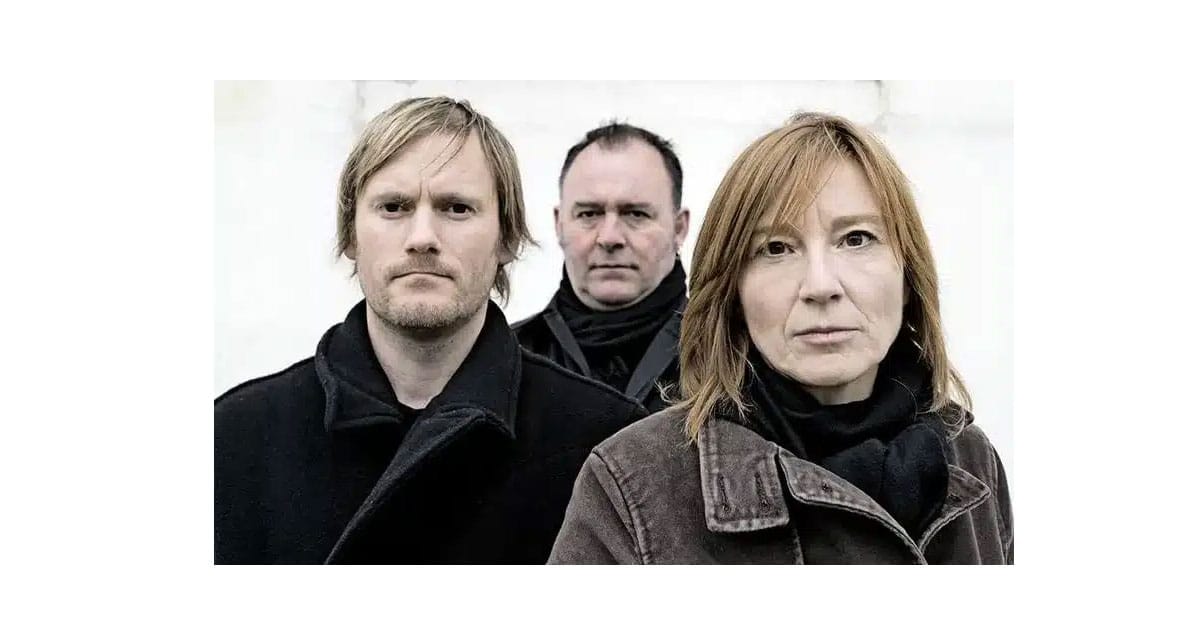
Portishead Didn’t Create Mood — They Engineered Suspicion
Portishead are often described as atmospheric, cinematic, or melancholic. Those words describe surface. What they actually built was distrust.
Their music doesn’t invite immersion; it withholds safety. Every element feels slightly off-balance — too slow, too distant, too fragile — as if it might collapse or turn hostile at any moment.
RMU lens:
Portishead don’t seduce the listener. They make them uneasy enough to stay alert.
Emotion Filtered Through Mediation
Nothing in Portishead feels direct.
Vocals sound transmitted, not present
Instruments feel sampled even when they’re not
Space feels recorded, not inhabited
This constant mediation creates emotional distance. Feeling exists, but it’s filtered, like memory replayed through damaged equipment. You’re never inside the emotion — you’re listening to evidence of it.
RMU framing:
Portishead replace intimacy with observation.
Fragility as Structural Principle
Portishead’s music behaves as if it could break under its own weight.
Tempos drag rather than flow
Rhythms feel restrained, almost reluctant
Silence presses harder than sound
This fragility isn’t aesthetic vulnerability — it’s instability. Songs feel held together by tension, not confidence. That constant near-collapse is what gives them gravity.
RMU insight:
Stability would ruin the effect.
Nostalgia Without Comfort
Portishead often reference older sonic textures, but there’s no warmth in that gesture.
The past isn’t romanticized
Familiar sounds feel damaged
History appears as residue, not refuge
Nostalgia here isn’t longing — it’s unease. The past becomes something you can’t escape but don’t trust.
RMU framing:
Memory is presented as distortion, not comfort.
Silence as Threat, Not Space
In Portishead’s world, silence doesn’t rest — it waits.
Pauses feel loaded
Minimalism increases pressure
Absence becomes active
This turns listening into vigilance. You’re constantly anticipating intrusion, rupture, or emotional exposure — even when nothing happens.
RMU insight:
Portishead weaponize restraint.
Why Portishead Resist Imitation
Many artists borrowed the surface:
slow tempos
dark textures
downbeat moods
But without the core discipline — emotional opacity — imitation collapses into softness or mood music. Portishead refuse consolation. That refusal is the hard part.
RMU framing:
Mood without risk is decoration. Portishead demand risk.
Legacy: Emotional Distance as Power
Portishead didn’t teach alternative music how to feel deeper.
They taught it how to feel unsafe without volume.
They normalized:
emotional opacity
tension over release
atmosphere that resists comfort
Their influence isn’t loud.
It’s lingering.
RMU Closing Thought
Portishead quietly ask a question most music avoids:
What if emotion didn’t want to be shared — only exposed?
They don’t offer closeness.
They don’t offer relief.
They offer a space where feeling exists without reassurance —
and leave you alone with it.
That loneliness isn’t a flaw.
It’s the design.