
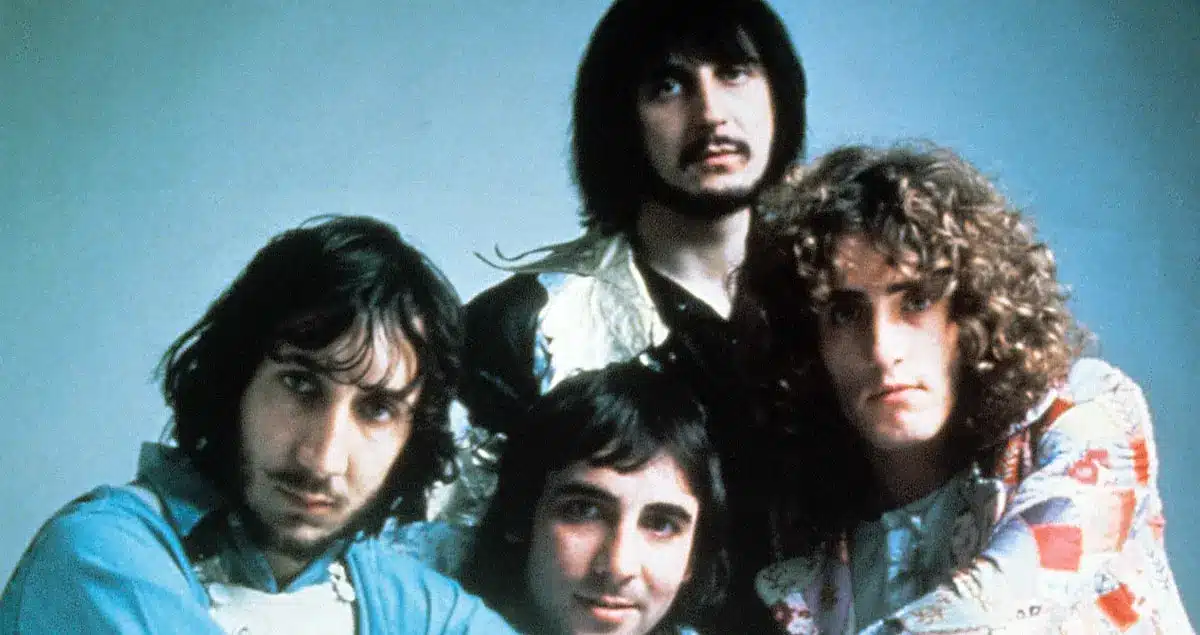
The Who

The Who: Ses, Konsept Albümleri ve Modern Rock’ın Çerçevesi

Hızlı Bilgiler

Kuruluş: 1964
Köken: Londra, İngiltere
Türler: Rock, Hard Rock, Mod Rock
Klasik Kadro: Roger Daltrey, Pete Townshend, John Entwistle, Keith Moon
Faaliyet Yılları: 1964–günümüz (1978 sonrası kadro değişiklikleri ile)


Köken Hikayesi – Mod Sahnesi ve Kontrol Edilen Agresyon

The Who, Londra’nın 1960’ların ortalarındaki mod hareketinden ortaya çıktı. Farklı isimler altında performans sergileyen grup, gitarist Pete Townshend, vokalist Roger Daltrey, basçı John Entwistle ve davulcu Keith Moon etrafında şekillendi.

Amerikan blues’undan esasen etkilenen birçok Britanya İstilası grubunun aksine, The Who ritim ve blues’u teatral agresyonla birleştirdi. Townshend, karmaşık blues ifadeleri yerine güç akorlarına dayanan perküsyonlu bir gitar tarzı geliştirdi.

“My Generation” gibi erken tekli parçaları, gençlik hayal kırıklığını ve doğrudan enerjiyi vurguladı.

“My Generation” birkaç belirleyici özelliği tanıttı:

  • Agresif vokal sunumu

  • Belirgin bas varlığı

  • Kontrol edilen enstrümantasyon geri bildirimi

Grubun canlı performansları yüksek ses ve enstrüman tahribatı ile tanınmaya başladı, bu da karşıt bir imajı pekiştirdi.


Dönüm Noktası – Teklilerden Kavramsal Yapıya

1960’ların sonlarına gelindiğinde, Pete Townshend tekli odaklı yayınların ötesine geçmek istedi.

1969 albümü Tommy belirleyici bir değişimi işaret etti.

“Rock opera” olarak pazarlanan Tommy, birden fazla parça boyunca sürekli bir anlatı sundu. Hikaye, travma ve ruhsal uyanışla başa çıkan kurgusal bir karakteri takip etti.

Albüm, ana akım rock müziğine uzun biçimli hikaye anlatımını tanıttı. Bir rock grubunun, izole tekli parçalar yerine tematik süreklilik etrafında bir albüm yapılandırabileceğini gösterdi.

Bu, The Who’nun mod dönemi grubundan kavramsal öncülere geçişini işaret etti.


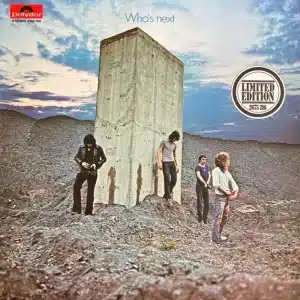
Dönüm Noktası Albümü – Who’s Next (1971)

Her ne kadar Tommy kavramsal hırsı belirlese de, Who’s Next müzikal icrayı rafine etti.

1971’de yayımlanan albüm, teknolojik deneyleri hard rock yapısıyla dengeledi.

Anahtar özellikler:

  • Sentezleyici entegrasyonu

  • Güçlü ritim bölümü

  • Odaklanmış şarkı yazımı

“Baba O’Riley” ve “Won’t Get Fooled Again” gibi parçalar, tekrar eden sentezleyici desenlerini içerecek şekilde yapılandırılmıştır, aynı zamanda gitar odaklı yoğunluğu korumuştur.

Keith Moon’un davulculuğu patlayıcı ama kontrollü kalmıştır. John Entwistle’ın bas çizgileri, arka planda destek yerine ana karşıt noktalar olarak işlev görmüştür.

Albüm, deneyimin erişilebilirlikle bir arada var olabileceğini göstermiştir.

The Who + Who’s Next + Album


İmza Şarkısı – Won’t Get Fooled Again

“Won’t Get Fooled Again” tekrar eden bir sentezleyici döngüsü etrafında yapılandırılmıştır ve dinamik gitar katmanları ile birleştirilmiştir.

Şarkı yavaş yavaş yükselir:

  • Sentezleyici girişi

  • Dörtlü yapı

  • Enstrümantasyon genişlemesi

  • Doruk çığlığı

Roger Daltrey’nin son vokal çığlığı, rock müziğinin en tanınabilir anlarından biri haline geldi.

Lirik olarak, şarkı politik hayal kırıklığını ele alıyor. İsyanı teşvik etmek yerine, döngüsel güç yapıları üzerine eleştirilerde bulunuyor.

Parça, The Who’nun agresyon ve yapısal planlama arasındaki dengesini örnekliyor.


Enstrümantasyon Farklılığı

Her üye belirgin bir teknik kimlik katkısında bulundu:

  • Pete Townshend, uzatılmış sololar yerine ritmik güç akorlarına vurgu yaptı.

  • John Entwistle’ın bas çalması melodik ve bağımsızdı.

  • Keith Moon’un davulculuğu enerjik ve öngörülemezdi, genellikle alanı dolduruyordu, katı minimalizmi korumuyordu.

  • Roger Daltrey, büyük mekanlar için uygun kontrollü vokal projeksiyonu sağladı.

Bu dağılım yoğun ama düzenli bir ses yarattı.

Tek bir baskın enstrümantal ses üzerine kurulu grupların aksine, The Who etkileşim yoluyla işlev gördü.


İçsel Gerilim ve Kayıp

Keith Moon’un 1978’deki ölümü yapısal bir kırılmayı işaret etti. Onun yerine geçen Kenney Jones, daha ölçülü bir davul tarzı getirdi.

Grup, Face Dances (1981) gibi albümler çıkarmaya devam etse de, orijinal kimya değişmişti.

Sonraki on yıllar, dönemsel turlar ve stüdyo yayınları gördü, ancak klasik dönem dinamiği, itibarlarının merkezinde kalmaya devam etti.

John Entwistle’ın 2002’deki ölümü kadroyu daha da değiştirdi.

Bu değişikliklere rağmen, The Who, Townshend ve Daltrey’nin liderliğinde canlı performans varlığını sürdürdü.


Üyeler (Klasik Dönem)

Roger Daltrey – Vokal
Pete Townshend – Gitar, Ana Şarkı Yazarı
John Entwistle – Bas
Keith Moon – Davul

Pete Townshend, ana yaratıcı mimar olmaya devam etmektedir.


Seçilen Stüdyo Diskografisi Öne Çıkanlar

My Generation (1965)
Tommy (1969)
Who’s Next (1971)
Quadrophenia (1973)
The Who by Numbers (1975)
Face Dances (1981)


Rock’a Yapısal Katkı

The Who, rock müziğini şu şekilde etkiledi:

  1. Güç Akoru Vurgusu
    Basit akor yapıları ses ve etkiyi artırdı.

  2. Kavram Albümü Genişlemesi
    Rock opera formatı tematik potansiyeli genişletti.

  3. Yüksek Ses Performans Standartlaştırması
    Canlı ortamlarda amplifikasyon sınırlarını zorladılar.

  4. Ritim Bölümü Belirginliği
    Bas ve davullar, düzenlemeler içinde merkezi bir alan kapladı.

Karmaşıklığa odaklanan progresif grupların veya ağırlığı vurgulayan metal grupların aksine, The Who kontrollü yoğunluk ve kavramsal hikaye anlatımını önceliklendirdi.


Miras

The Who, 1960’ların beat müziğinden 1970’lerin arena rock’ına geçişi tanımlamaya yardımcı oldu.

Albüm formatını genişlettiler, performans ölçeğini artırdılar ve ritmik sürüşün gücünü pekiştirdiler.

Önemleri, stilistik yeniden icattan ziyade yapısal cesarette yatmaktadır.

Rock’ın yüksek sesli, tematik ve teknik olarak iddialı olabileceğini gösterdiler — aynı anda.

The Who

The Who : Volume, Albums Conceptuels et le Cadre du Rock Moderne

Faits Rapides

Fondé : 1964
Origine : Londres, Angleterre
Genres : Rock, Hard Rock, Mod Rock
Formation Classique : Roger Daltrey, Pete Townshend, John Entwistle, Keith Moon
Années Actives : 1964–présent (avec des changements de formation après 1978)


Histoire d’Origine – La Scène Mod et l’Agression Contrôlée

The Who a émergé du mouvement mod de Londres au milieu des années 1960. Se produisant à l’origine sous différents noms, le groupe s’est solidifié autour du guitariste Pete Townshend, du chanteur Roger Daltrey, du bassiste John Entwistle et du batteur Keith Moon.

Contrairement à de nombreux groupes de l’invasion britannique influencés principalement par le blues américain, The Who a combiné le rhythm and blues avec une agressivité théâtrale. Townshend a développé un style de guitare percussif basé sur des accords puissants plutôt que sur des phrasés blues complexes.

Leurs premiers singles, y compris “My Generation”, ont mis en avant la frustration juvénile et une énergie directe.

“My Generation” a introduit plusieurs traits définissants :

  • Livraison vocale agressive

  • Présence de basse proéminente

  • Retour instrumental contrôlé

Les performances live du groupe sont devenues connues pour leur volume élevé et la destruction d’instruments, renforçant une image de confrontation.


Le Tournant – Des Singles à une Structure Conceptuelle

À la fin des années 1960, Pete Townshend cherchait à s’étendre au-delà des sorties axées sur les singles.

L’album de 1969 Tommy a marqué un tournant décisif.

Commercialisé comme une “rock opera”, Tommy racontait une narration continue à travers plusieurs morceaux. L’histoire suivait un personnage fictif naviguant à travers le traumatisme et l’éveil spirituel.

L’album a introduit la narration longue dans le rock grand public. Il a démontré qu’un groupe de rock pouvait structurer un album autour d’une continuité thématique plutôt que de singles isolés.

Cela a marqué la transition de The Who d’un groupe de l’ère mod à des pionniers conceptuels.


Album Marquant – Who’s Next (1971)

Alors que Tommy établissait une ambition conceptuelle, Who’s Next a affiné l’exécution musicale.

Sorti en 1971, l’album a équilibré l’expérimentation technologique avec une structure de hard rock.

Caractéristiques clés :

  • Intégration de synthétiseur

  • Section rythmique puissante

  • Écriture de chansons ciblée

Des morceaux tels que “Baba O’Riley” et “Won’t Get Fooled Again” incorporaient des motifs de synthétiseur répétitifs tout en conservant une intensité axée sur la guitare.

Le jeu de batterie de Keith Moon est resté explosif mais contrôlé. Les lignes de basse de John Entwistle fonctionnaient comme des contrepoints principaux plutôt que comme un soutien en arrière-plan.

L’album a démontré que l’expérimentation pouvait coexister avec l’accessibilité.

The Who + Who’s Next + Album


Chanson Signature – Won’t Get Fooled Again

“Won’t Get Fooled Again” est structuré autour d’une boucle de synthétiseur répétitive combinée à des couches de guitare dynamiques.

La chanson se construit progressivement :

  • Introduction de synthétiseur

  • Structure de couplet

  • Expansion instrumentale

  • Cri climactique

Le dernier cri vocal de Roger Daltrey est devenu l’un des moments les plus reconnaissables du rock.

Lyricalement, la chanson aborde le désenchantement politique. Plutôt que de promouvoir la rébellion, elle critique les structures de pouvoir cycliques.

Le morceau illustre l’équilibre de The Who entre agressivité et planification structurelle.


Distinction Instrumentale

Chaque membre a contribué à une identité technique distincte :

  • Pete Townshend a mis l’accent sur des accords puissants rythmiques plutôt que sur des solos prolongés.

  • Le jeu de basse de John Entwistle était mélodique et indépendant.

  • La batterie de Keith Moon était énergique et imprévisible, remplissant souvent l’espace plutôt que de maintenir un minimalisme strict.

  • Roger Daltrey a fourni une projection vocale contrôlée adaptée aux grandes salles.

Cette distribution a créé un son dense mais organisé.

Contrairement aux groupes qui s’appuyaient sur une seule voix instrumentale dominante, The Who fonctionnait par interaction.


Tension Interne et Perte

La mort de Keith Moon en 1978 a marqué une rupture structurelle. Son remplaçant, Kenney Jones, a apporté un style de batterie plus retenu.

Bien que le groupe ait continué à sortir des albums tels que Face Dances (1981), la chimie originale avait changé.

Les décennies suivantes ont vu des tournées périodiques et des sorties en studio, mais la dynamique de l’ère classique est restée centrale à leur réputation.

La mort de John Entwistle en 2002 a encore modifié la formation.

Malgré ces changements, The Who a maintenu une présence en performance live sous la direction de Townshend et Daltrey.


Membres (Époque Classique)

Roger Daltrey – Voix
Pete Townshend – Guitare, Auteur Principal
John Entwistle – Basse
Keith Moon – Batterie

Pete Townshend reste l’architecte créatif principal.


Points Forts Sélectionnés de la Discographie Studio

My Generation (1965)
Tommy (1969)
Who’s Next (1971)
Quadrophenia (1973)
The Who by Numbers (1975)
Face Dances (1981)


Contribution Structurelle au Rock

The Who a influencé la musique rock à travers :

  1. Accent sur les Accords Puissants
    Des structures d’accords simplifiées ont amplifié le volume et l’impact.

  2. Expansion des Albums Conceptuels
    Le format de rock opera a élargi le potentiel thématique.

  3. Standardisation de la Performance à Volume Élevé
    Ils ont poussé les limites de l’amplification dans les concerts.

  4. Prominence de la Section Rythmique
    La basse et la batterie occupaient un espace central dans les arrangements.

Contrairement aux groupes progressifs se concentrant sur la complexité ou aux groupes de métal mettant l’accent sur la lourdeur, The Who a priorisé l’intensité contrôlée et la narration conceptuelle.


Héritage

The Who a aidé à définir la transition de la musique beat des années 1960 au rock d’arène des années 1970.

Ils ont élargi le format de l’album, augmenté l’échelle des performances et renforcé le pouvoir de l’élan rythmique.

Leur signification réside dans l’audace structurelle plutôt que dans la réinvention stylistique.

Ils ont démontré que le rock pouvait être fort, thématique et techniquement affirmé — simultanément.

The Who

The Who: Volume, Conceptalbums en het Kader van Moderne Rock

Feiten

Opgericht: 1964
Herkomst: Londen, Engeland
Genres: Rock, Hard Rock, Mod Rock
Classic Line-Up: Roger Daltrey, Pete Townshend, John Entwistle, Keith Moon
Actieve Jaren: 1964–heden (met line-up veranderingen na 1978)


Oorsprongsverhaal – De Mod Scene en Gecontroleerde Aggressie

The Who ontstond uit de modbeweging in Londen in het midden van de jaren ’60. Oorspronkelijk optredend onder verschillende namen, vestigde de band zich rond gitarist Pete Townshend, zanger Roger Daltrey, bassist John Entwistle en drummer Keith Moon.

In tegenstelling tot veel Britse invasiebands die voornamelijk door Amerikaanse blues werden beïnvloed, combineerde The Who rhythm and blues met theatrale agressie. Townshend ontwikkelde een percussieve gitaarstijl gebaseerd op power chords in plaats van ingewikkelde bluesfrases.

Hun vroege singles, waaronder “My Generation,” benadrukten jeugdige frustratie en directe energie.

“My Generation” introduceerde verschillende bepalende kenmerken:

  • Agressieve vocale levering

  • Prominente baspresence

  • Gecontroleerde instrumentale feedback

De live optredens van de band werden bekend om hun hoge volume en instrumentvernietiging, wat een confronterend imago versterkte.


Het Keerpunt – Van Singles naar Conceptuele Structuur

Tegen het einde van de jaren ’60 zocht Pete Townshend naar manieren om verder te gaan dan single-gedreven releases.

Het album uit 1969 Tommy markeerde een beslissende verschuiving.

Gepromoot als een “rockopera,” vertelde Tommy een doorlopende verhaallijn over meerdere nummers. Het verhaal volgde een fictief personage dat trauma en spirituele ontwaking doormaakte.

Het album introduceerde langvormige storytelling in de mainstream rock. Het toonde aan dat een rockband een album kon structureren rond thematische continuïteit in plaats van geïsoleerde singles.

Dit markeerde de overgang van The Who van mod-era band naar conceptuele pioniers.


Mijlpaal Album – Who’s Next (1971)

Terwijl Tommy de conceptuele ambitie vestigde, verfijnde Who’s Next de muzikale uitvoering.

Uitgebracht in 1971, balanceerde het album technologische experimentatie met hardrockstructuur.

Belangrijke kenmerken:

  • Integratie van synthesizers

  • Krachtige ritmesectie

  • Gerichte songwriting

Nummers zoals “Baba O’Riley” en “Won’t Get Fooled Again” incorporeerden herhalende synthesizerpatronen terwijl ze de gitaarintensiteit behielden.

Keith Moon’s drummen bleef explosief maar gecontroleerd. John Entwistle’s baslijnen functioneerden als leidende tegenpunten in plaats van achtergrondondersteuning.

Het album toonde aan dat experimentatie kon samenleven met toegankelijkheid.

The Who + Who’s Next + Album


Handtekening Nummer – Won’t Get Fooled Again

“Won’t Get Fooled Again” is gestructureerd rond een herhalende synthesizerloop gecombineerd met dynamische gelaagdheid van gitaar.

Het nummer bouwt geleidelijk op:

  • Synthesizerintro

  • Verse-structuur

  • Instrumentale uitbreiding

  • Climactische schreeuw

Roger Daltrey’s laatste vocale schreeuw werd een van de meest herkenbare momenten in de rock.

Lyrisch gezien behandelt het nummer politieke ontgoocheling. In plaats van rebellie te bevorderen, bekritiseert het cyclische machtsstructuren.

Het nummer is een voorbeeld van The Who’s balans tussen agressie en structurele planning.


Instrumentale Onderscheid

Elk lid droeg bij aan een unieke technische identiteit:

  • Pete Townshend benadrukte ritmische power chords in plaats van uitgebreide solo’s.

  • John Entwistle’s basspel was melodisch en onafhankelijk.

  • Keith Moon’s drummen was energiek en onvoorspelbaar, vaak vulde hij ruimte in plaats van strikte minimalisme te handhaven.

  • Roger Daltrey zorgde voor gecontroleerde vocale projectie die geschikt was voor grote zalen.

Deze verdeling creëerde een dichte maar georganiseerde sound.

In tegenstelling tot bands die afhankelijk waren van een enkele dominante instrumentale stem, functioneerde The Who door interactie.


Interne Spanning en Verlies

De dood van Keith Moon in 1978 markeerde een structurele breuk. Zijn vervanger, Kenney Jones, bracht een meer ingetogen drummstijl.

Hoewel de band doorging met het uitbrengen van albums zoals Face Dances (1981), was de oorspronkelijke chemie verschoven.

Latere decennia zagen periodieke tournees en studio-releases, maar de dynamiek uit de klassieke periode bleef centraal in hun reputatie.

De dood van John Entwistle in 2002 veranderde de line-up verder.

Ondanks deze veranderingen behield The Who een live performance aanwezigheid onder leiding van Townshend en Daltrey.


Leden (Klassieke Era)

Roger Daltrey – Zang
Pete Townshend – Gitaar, Hoofd Songwriter
John Entwistle – Bas
Keith Moon – Drums

Pete Townshend blijft de belangrijkste creatieve architect.


Geselecteerde Studio Discografie Hoogtepunten

My Generation (1965)
Tommy (1969)
Who’s Next (1971)
Quadrophenia (1973)
The Who by Numbers (1975)
Face Dances (1981)


Structurele Bijdrage aan Rock

The Who beïnvloedde rockmuziek door:

  1. Kracht Chord Benadrukking
    Vereenvoudigde akkoordstructuren versterkten volume en impact.

  2. Conceptalbum Uitbreiding
    Rockopera-formaat verbreedde thematische mogelijkheden.

  3. Hoge Volume Performance Standaardisatie
    Ze duwden de grenzen van versterking in live settings.

  4. Ritmesectie Prominentie
    Bas en drums namen een centrale plaats in binnen arrangementen.

In tegenstelling tot progressieve bands die zich richtten op complexiteit of metalacts die de nadruk legden op zwaarte, gaf The Who prioriteit aan gecontroleerde intensiteit en conceptuele storytelling.


Erfenis

The Who hielp de overgang van 1960s beatmuziek naar 1970s arena rock te definiëren.

Ze breidden het albumformaat uit, verhoogden de schaal van optredens en versterkten de kracht van ritmische drive.

Hun betekenis ligt in structurele boldheid in plaats van stilistische heruitvinding.

Ze toonden aan dat rock luid, thematisch en technisch assertief kon zijn — tegelijkertijd.

The Who

The Who: Lautstärke, Konzeptalben und der Rahmen des modernen Rocks

Kurze Fakten

Gegründet: 1964
Herkunft: London, England
Genres: Rock, Hard Rock, Mod Rock
Klassische Besetzung: Roger Daltrey, Pete Townshend, John Entwistle, Keith Moon
Aktive Jahre: 1964–heute (mit Besetzungswechseln nach 1978)


Ursprungsgeschichte – Die Mod-Szene und kontrollierte Aggression

The Who entstand aus der Mod-Bewegung Londons in den mittleren 1960er Jahren. Ursprünglich unter verschiedenen Namen aufgetreten, festigte sich die Band um den Gitarristen Pete Townshend, den Sänger Roger Daltrey, den Bassisten John Entwistle und den Schlagzeuger Keith Moon.

Im Gegensatz zu vielen britischen Invasionsbands, die hauptsächlich von amerikanischem Blues beeinflusst waren, kombinierte The Who Rhythm and Blues mit theatralischer Aggression. Townshend entwickelte einen perkussiven Gitarrenstil, der auf Powerchords basierte, anstatt auf komplexen Blues-Phrasierungen.

Ihre frühen Singles, darunter “My Generation,” betonten jugendliche Frustration und direkte Energie.

“My Generation” führte mehrere prägende Merkmale ein:

  • Aggressive Gesangsinterpretation

  • Prominente Basspräsenz

  • Kontrolliertes instrumentales Feedback

Die Live-Auftritte der Band wurden bekannt für hohe Lautstärke und Instrumentenzerstörung, was ein konfrontatives Image verstärkte.


Der Wendepunkt – Von Singles zu konzeptioneller Struktur

Bis Ende der 1960er Jahre strebte Pete Townshend danach, über singlegetriebene Veröffentlichungen hinaus zu expandieren.

Das Album von 1969 Tommy markierte einen entscheidenden Wandel.

Als “Rockoper” vermarktet, erzählte Tommy eine durchgehende Erzählung über mehrere Tracks hinweg. Die Geschichte folgte einem fiktiven Charakter, der Trauma und spirituelles Erwachen durchlebte.

Das Album führte das lange Erzählformat in den Mainstream-Rock ein. Es zeigte, dass eine Rockband ein Album um thematische Kontinuität anstatt um isolierte Singles strukturieren konnte.

Dies markierte The Who’s Übergang von einer Mod-Ära-Band zu konzeptionellen Pionieren.


Meilenstein-Album – Who’s Next (1971)

Während Tommy konzeptionelle Ambitionen etablierte, verfeinerte Who’s Next die musikalische Ausführung.

1971 veröffentlicht, balancierte das Album technologische Experimente mit der Struktur des Hard Rocks.

Wesentliche Merkmale:

  • Integration von Synthesizern

  • Mächtige Rhythmussektion

  • Fokussiertes Songwriting

Tracks wie “Baba O’Riley” und “Won’t Get Fooled Again” integrierten sich wiederholende Synthesizer-Muster und behielten gleichzeitig die gitarrengetriebene Intensität bei.

Keith Moons Schlagzeugspiel blieb explosiv, aber kontrolliert. John Entwistles Basslinien fungierten als führende Kontrapunkte anstatt als Hintergrundunterstützung.

Das Album zeigte, dass Experimentieren mit Zugänglichkeit koexistieren konnte.

The Who + Who’s Next + Album


Signatur-Song – Won’t Get Fooled Again

“Won’t Get Fooled Again” ist um eine sich wiederholende Synthesizer-Schleife strukturiert, kombiniert mit dynamischen Gitarren-Layering.

Der Song baut allmählich auf:

  • Synthesizer-Intro

  • Versstruktur

  • Instrumentale Expansion

  • Klimatischer Schrei

Roger Daltreys letzter Gesangsschrei wurde zu einem der erkennbarsten Momente des Rocks.

Textlich thematisiert der Song politische Desillusionierung. Anstatt Rebellion zu fördern, kritisiert er zyklische Machtstrukturen.

Der Track exemplifiziert The Who’s Balance zwischen Aggression und struktureller Planung.


Instrumentelle Unterscheidung

Jedes Mitglied trug eine ausgeprägte technische Identität bei:

  • Pete Townshend betonte rhythmische Powerchords anstelle von ausgedehnten Soli.

  • John Entwistles Bassspiel war melodisch und unabhängig.

  • Keith Moons Schlagzeugspiel war energetisch und unberechenbar, oft füllte es den Raum, anstatt strikte Minimalität aufrechtzuerhalten.

  • Roger Daltrey lieferte eine kontrollierte Gesangsprojektion, die für große Veranstaltungsorte geeignet war.

Diese Verteilung schuf einen dichten, aber organisierten Klang.

Im Gegensatz zu Bands, die sich auf eine dominante instrumentale Stimme verließen, funktionierte The Who durch Interplay.


Innere Spannungen und Verlust

Keith Moons Tod im Jahr 1978 markierte einen strukturellen Bruch. Sein Ersatz, Kenney Jones, brachte einen zurückhaltenderen Schlagzeugstil mit.

Obwohl die Band weiterhin Alben wie Face Dances (1981) veröffentlichte, hatte sich die ursprüngliche Chemie verschoben.

In den späteren Jahrzehnten gab es sporadische Tourneen und Studioveröffentlichungen, aber die Dynamik der klassischen Ära blieb zentral für ihren Ruf.

John Entwistles Tod im Jahr 2002 veränderte die Besetzung weiter.

Trotz dieser Veränderungen behielt The Who unter der Führung von Townshend und Daltrey eine Präsenz bei Live-Auftritten.


Mitglieder (Klassische Ära)

Roger Daltrey – Gesang
Pete Townshend – Gitarre, Hauptsongwriter
John Entwistle – Bass
Keith Moon – Schlagzeug

Pete Townshend bleibt der Hauptarchitekt der kreativen Vision.


Ausgewählte Höhepunkte der Studio-Diskografie

My Generation (1965)
Tommy (1969)
Who’s Next (1971)
Quadrophenia (1973)
The Who by Numbers (1975)
Face Dances (1981)


Struktureller Beitrag zum Rock

The Who beeinflussten die Rockmusik durch:

  1. Betonung von Powerchords
    Vereinfachte Akkordstrukturen verstärkten Lautstärke und Wirkung.

  2. Erweiterung des Konzeptalbums
    Das Format der Rockoper erweiterte das thematische Potenzial.

  3. Standardisierung von Hochvolumen-Performances
    Sie drängten die Grenzen der Verstärkung in Live-Settings.

  4. Prominenz der Rhythmussektion
    Bass und Schlagzeug nahmen einen zentralen Platz innerhalb der Arrangements ein.

Im Gegensatz zu progressiven Bands, die sich auf Komplexität konzentrierten, oder Metal-Acts, die Schwere betonten, priorisierten The Who kontrollierte Intensität und konzeptionelles Geschichtenerzählen.


Vermächtnis

The Who halfen, den Übergang von der Beatmusik der 1960er Jahre zum Arena-Rock der 1970er Jahre zu definieren.

Sie erweiterten das Albumformat, erhöhten die Performance-Skala und verstärkten die Kraft des rhythmischen Antriebs.

Ihre Bedeutung liegt in struktureller Kühnheit und nicht in stilistischer Neuerfindung.

Sie zeigten, dass Rock laut, thematisch und technisch durchsetzungsfähig sein konnte – gleichzeitig.

The Who

The Who: Volumen, Álbumes Conceptuales y el Marco del Rock Moderno

Datos Rápidos

Fundado: 1964
Origen: Londres, Inglaterra
Géneros: Rock, Hard Rock, Mod Rock
Formación Clásica: Roger Daltrey, Pete Townshend, John Entwistle, Keith Moon
Años Activos: 1964–presente (con cambios de formación después de 1978)


Historia de Origen – La Escena Mod y la Agresión Controlada

The Who surgió del movimiento mod de Londres a mediados de los años 60. Originalmente actuando bajo diferentes nombres, la banda se consolidó alrededor del guitarrista Pete Townshend, el vocalista Roger Daltrey, el bajista John Entwistle y el baterista Keith Moon.

A diferencia de muchas bandas de la invasión británica influenciadas principalmente por el blues estadounidense, The Who combinó rhythm and blues con agresión teatral. Townshend desarrolló un estilo de guitarra percusivo basado en acordes de potencia en lugar de frases de blues intrincadas.

Sus primeros sencillos, incluyendo “My Generation,” enfatizaban la frustración juvenil y la energía directa.

“My Generation” introdujo varios rasgos definitorios:

  • Entrega vocal agresiva

  • Presencia prominente del bajo

  • Retroalimentación instrumental controlada

Las presentaciones en vivo de la banda se hicieron conocidas por su alto volumen y destrucción de instrumentos, reforzando una imagen confrontativa.


El Punto de Inflexión – De Sencillos a Estructura Conceptual

A finales de los años 60, Pete Townshend buscó expandirse más allá de lanzamientos impulsados por sencillos.

El álbum de 1969 Tommy marcó un cambio decisivo.

Comercializado como una “ópera rock,” Tommy contaba una narrativa continua a través de múltiples pistas. La historia seguía a un personaje ficticio navegando por el trauma y el despertar espiritual.

El álbum introdujo la narración de larga duración en el rock mainstream. Demostró que una banda de rock podía estructurar un álbum en torno a la continuidad temática en lugar de sencillos aislados.

Esto marcó la transición de The Who de banda de la era mod a pioneros conceptuales.


Álbum Emblemático – Who’s Next (1971)

Mientras Tommy estableció la ambición conceptual, Who’s Next refinó la ejecución musical.

Lanzado en 1971, el álbum equilibró la experimentación tecnológica con la estructura del hard rock.

Características clave:

  • Integración de sintetizadores

  • Sección rítmica poderosa

  • Composición enfocada

Pistas como “Baba O’Riley” y “Won’t Get Fooled Again” incorporaron patrones de sintetizador repetitivos mientras mantenían la intensidad impulsada por la guitarra.

La batería de Keith Moon se mantuvo explosiva pero controlada. Las líneas de bajo de John Entwistle funcionaron como contrapuntos principales en lugar de apoyo de fondo.

El álbum demostró que la experimentación podía coexistir con la accesibilidad.

The Who + Who’s Next + Album


Canción Emblemática – Won’t Get Fooled Again

“Won’t Get Fooled Again” está estructurada en torno a un bucle de sintetizador repetitivo combinado con capas dinámicas de guitarra.

La canción se desarrolla gradualmente:

  • Introducción de sintetizador

  • Estructura de verso

  • Expansión instrumental

  • Grito climático

El grito final de Roger Daltrey se convirtió en uno de los momentos más reconocibles del rock.

Líricamente, la canción aborda la desilusión política. En lugar de promover la rebelión, critica las estructuras de poder cíclicas.

La pista ejemplifica el equilibrio de The Who entre agresión y planificación estructural.


Distinción Instrumental

Cada miembro contribuyó con una identidad técnica distinta:

  • Pete Townshend enfatizó acordes de potencia rítmicos en lugar de solos extendidos.

  • El bajo de John Entwistle era melódico e independiente.

  • La batería de Keith Moon era enérgica e impredecible, a menudo llenando el espacio en lugar de mantener un minimalismo estricto.

  • Roger Daltrey proporcionó una proyección vocal controlada adecuada para grandes recintos.

Esta distribución creó un sonido denso pero organizado.

A diferencia de las bandas que dependían de una única voz instrumental dominante, The Who funcionó a través de la interacción.


Tensión Interna y Pérdida

La muerte de Keith Moon en 1978 marcó una ruptura estructural. Su reemplazo, Kenney Jones, trajo un estilo de batería más contenido.

Aunque la banda continuó lanzando álbumes como Face Dances (1981), la química original había cambiado.

Las décadas posteriores vieron giras periódicas y lanzamientos de estudio, pero la dinámica de la era clásica siguió siendo central para su reputación.

La muerte de John Entwistle en 2002 alteró aún más la formación.

A pesar de estos cambios, The Who mantuvo su presencia en las presentaciones en vivo bajo el liderazgo de Townshend y Daltrey.


Miembros (Era Clásica)

Roger Daltrey – Voces
Pete Townshend – Guitarra, Compositor Principal
John Entwistle – Bajo
Keith Moon – Batería

Pete Townshend sigue siendo el principal arquitecto creativo.


Destacados Seleccionados de la Discografía de Estudio

My Generation (1965)
Tommy (1969)
Who’s Next (1971)
Quadrophenia (1973)
The Who by Numbers (1975)
Face Dances (1981)


Contribución Estructural al Rock

The Who influyó en la música rock a través de:

  1. Énfasis en Acordes de Potencia
    Estructuras de acordes simplificadas amplificaron el volumen y el impacto.

  2. Expansión de Álbum Conceptual
    El formato de ópera rock amplió el potencial temático.

  3. Estandarización de Actuaciones a Alto Volumen
    Empujaron los límites de amplificación en entornos en vivo.

  4. Prominencia de la Sección Rítmica
    El bajo y la batería ocuparon un espacio central dentro de los arreglos.

A diferencia de las bandas progresivas que se enfocaban en la complejidad o de los actos de metal que enfatizaban la pesadez, The Who priorizó la intensidad controlada y la narración conceptual.


Legado

The Who ayudó a definir la transición de la música beat de los años 60 al rock de arena de los años 70.

Ampliaron el formato del álbum, aumentaron la escala de las actuaciones y reforzaron el poder del impulso rítmico.

Su importancia radica en la audacia estructural más que en la reinvención estilística.

Demostraron que el rock podía ser ruidoso, temático y técnicamente asertivo — simultáneamente.

The Who

The Who: Volume, Concept Albums, and the Framework of Modern Rock

Quick Facts

Founded: 1964
Origin: London, England
Genres: Rock, Hard Rock, Mod Rock
Classic Line-Up: Roger Daltrey, Pete Townshend, John Entwistle, Keith Moon
Years Active: 1964–present (with lineup changes after 1978)


Origin Story – The Mod Scene and Controlled Aggression

The Who emerged from London’s mid-1960s mod movement. Originally performing under different names, the band solidified around guitarist Pete Townshend, vocalist Roger Daltrey, bassist John Entwistle, and drummer Keith Moon.

Unlike many British Invasion bands influenced primarily by American blues, The Who combined rhythm and blues with theatrical aggression. Townshend developed a percussive guitar style based on power chords rather than intricate blues phrasing.

Their early singles, including “My Generation,” emphasized youthful frustration and direct energy.

“My Generation” introduced several defining traits:

  • Aggressive vocal delivery

  • Prominent bass presence

  • Controlled instrumental feedback

The band’s live performances became known for high volume and instrument destruction, reinforcing a confrontational image.


The Turning Point – From Singles to Conceptual Structure

By the late 1960s, Pete Townshend sought to expand beyond single-driven releases.

The 1969 album Tommy marked a decisive shift.

Marketed as a “rock opera,” Tommy told a continuous narrative across multiple tracks. The story followed a fictional character navigating trauma and spiritual awakening.

The album introduced long-form storytelling into mainstream rock. It demonstrated that a rock band could structure an album around thematic continuity rather than isolated singles.

This marked The Who’s transition from mod-era band to conceptual pioneers.


Milestone Album – Who’s Next (1971)

While Tommy established conceptual ambition, Who’s Next refined musical execution.

Released in 1971, the album balanced technological experimentation with hard rock structure.

Key characteristics:

  • Synthesizer integration

  • Powerful rhythm section

  • Focused songwriting

Tracks such as “Baba O’Riley” and “Won’t Get Fooled Again” incorporated repeating synthesizer patterns while retaining guitar-driven intensity.

Keith Moon’s drumming remained explosive yet controlled. John Entwistle’s bass lines functioned as lead counterpoints rather than background support.

The album demonstrated that experimentation could coexist with accessibility.
The Who + Who’s Next + Album


Signature Song – Won’t Get Fooled Again

“Won’t Get Fooled Again” is structured around a repeating synthesizer loop combined with dynamic guitar layering.

The song builds gradually:

  • Synth introduction

  • Verse structure

  • Instrumental expansion

  • Climactic scream

Roger Daltrey’s final vocal scream became one of rock’s most recognizable moments.

Lyrically, the song addresses political disillusionment. Rather than promoting rebellion, it critiques cyclical power structures.

The track exemplifies The Who’s balance between aggression and structural planning.


Instrumental Distinction

Each member contributed a distinct technical identity:

  • Pete Townshend emphasized rhythmic power chords rather than extended solos.

  • John Entwistle’s bass playing was melodic and independent.

  • Keith Moon’s drumming was energetic and unpredictable, often filling space rather than maintaining strict minimalism.

  • Roger Daltrey provided controlled vocal projection suited for large venues.

This distribution created a dense but organized sound.

Unlike bands that relied on a single dominant instrumental voice, The Who functioned through interplay.


Internal Strain and Loss

Keith Moon’s death in 1978 marked a structural break. His replacement, Kenney Jones, brought a more restrained drumming style.

Although the band continued releasing albums such as Face Dances (1981), the original chemistry had shifted.

Later decades saw periodic touring and studio releases, but the classic-era dynamic remained central to their reputation.

John Entwistle’s death in 2002 further altered the lineup.

Despite these changes, The Who maintained live performance presence under Townshend and Daltrey’s leadership.


Members (Classic Era)

Roger Daltrey – Vocals
Pete Townshend – Guitar, Primary Songwriter
John Entwistle – Bass
Keith Moon – Drums

Pete Townshend remains the principal creative architect.


Selected Studio Discography Highlights

My Generation (1965)
Tommy (1969)
Who’s Next (1971)
Quadrophenia (1973)
The Who by Numbers (1975)
Face Dances (1981)


Structural Contribution to Rock

The Who influenced rock music through:

  1. Power Chord Emphasis
    Simplified chord structures amplified volume and impact.

  2. Concept Album Expansion
    Rock opera format broadened thematic potential.

  3. High-Volume Performance Standardization
    They pushed amplification limits in live settings.

  4. Rhythm Section Prominence
    Bass and drums occupied central space within arrangements.

Unlike progressive bands focusing on complexity or metal acts emphasizing heaviness, The Who prioritized controlled intensity and conceptual storytelling.


Legacy

The Who helped define the transition from 1960s beat music to 1970s arena rock.

They expanded the album format, increased performance scale, and reinforced the power of rhythmic drive.

Their significance lies in structural boldness rather than stylistic reinvention.

They demonstrated that rock could be loud, thematic, and technically assertive — simultaneously.