Blur

Blur

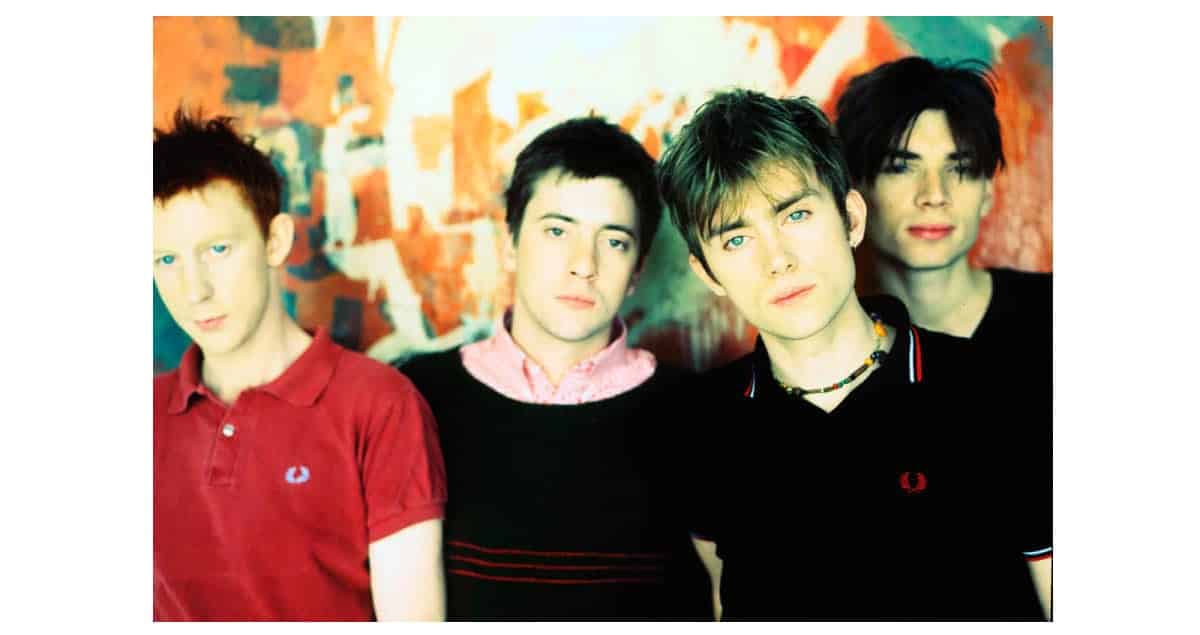
Blur Didn’t Choose Between Pop and Art — They Refused the Hierarchy Blur are often framed through binaries: Britpop vs. experimentation, pop instincts vs. art-school ambition. That framing assumes a conflict Blur never accepted. They didn’t oscillate between accessible and challenging.They treated both as equal tools. RMU lens: Blur reject the idea that intelligence and … Read more


Gorillaz

Gorillaz

Gorillaz Didn’t Hide Behind Avatars — They Replaced the Band Itself Gorillaz are often reduced to a gimmick: a “virtual band.” That framing misses the structural shift. Avatars weren’t decoration; they were infrastructure. Gorillaz removed the traditional band as a visible, stable unit and replaced it with a flexible interface. Identity became modular. Sound became … Read more

Pixies

Pixies

Pixies Didn’t Invent Loud–Quiet — They Made It Psychological Pixies are usually reduced to a technical shorthand: loud–quiet dynamics. That’s a surface description, not an explanation. Plenty of bands play soft verses and loud choruses. Pixies made that contrast mentally destabilizing. The shift isn’t about volume.It’s about control being yanked away. RMU lens: Pixies weaponized … Read more

The Cure

The Cure

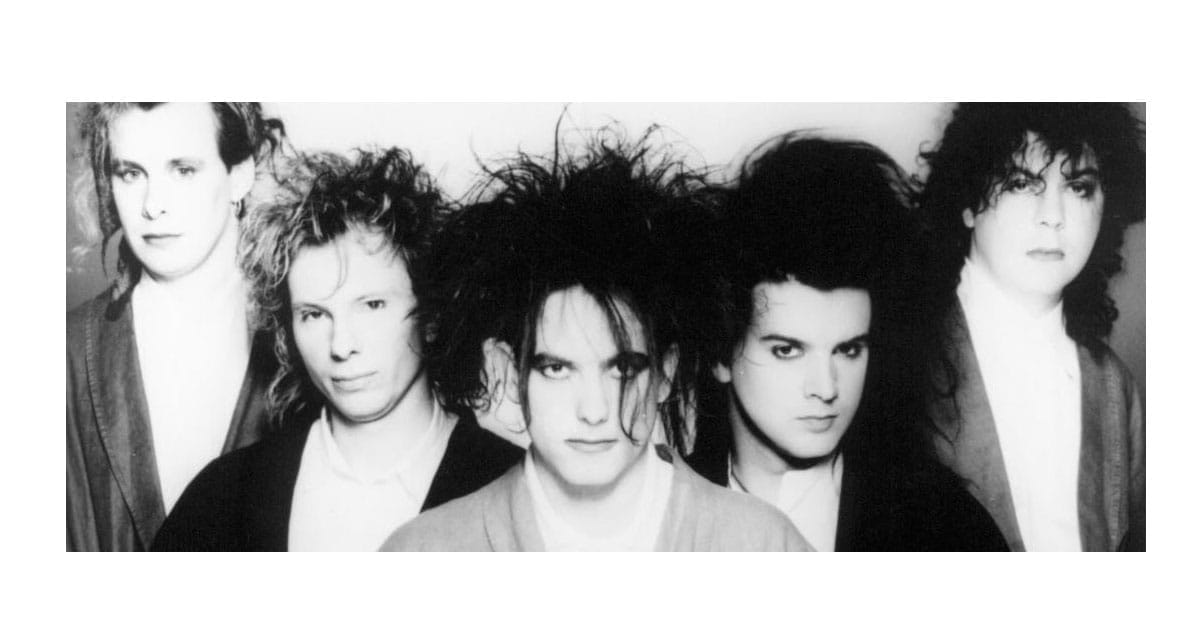
The Cure: Sadness Without Resolution The Cure is often reduced to mood—melancholy, gloom, romance. But that framing softens what they actually did. The Cure didn’t aestheticize sadness. They refused to resolve it. Where many bands use emotion to build toward catharsis, The Cure lets feeling linger. There is no promise of healing, no narrative of … Read more

The Smashing Pumpkins

The Smashing Pumpkins

The Smashing Pumpkins Didn’t Choose an Identity — They Refused to Collapse Into One The Smashing Pumpkins are often described as maximalist, emotional, dramatic, or ambitious. All true — and all incomplete. What defines them isn’t scale or intensity, but instability. They never settle into a single musical self. Instead, they operate as a fractured … Read more

Sonic Youth

Sonic Youth

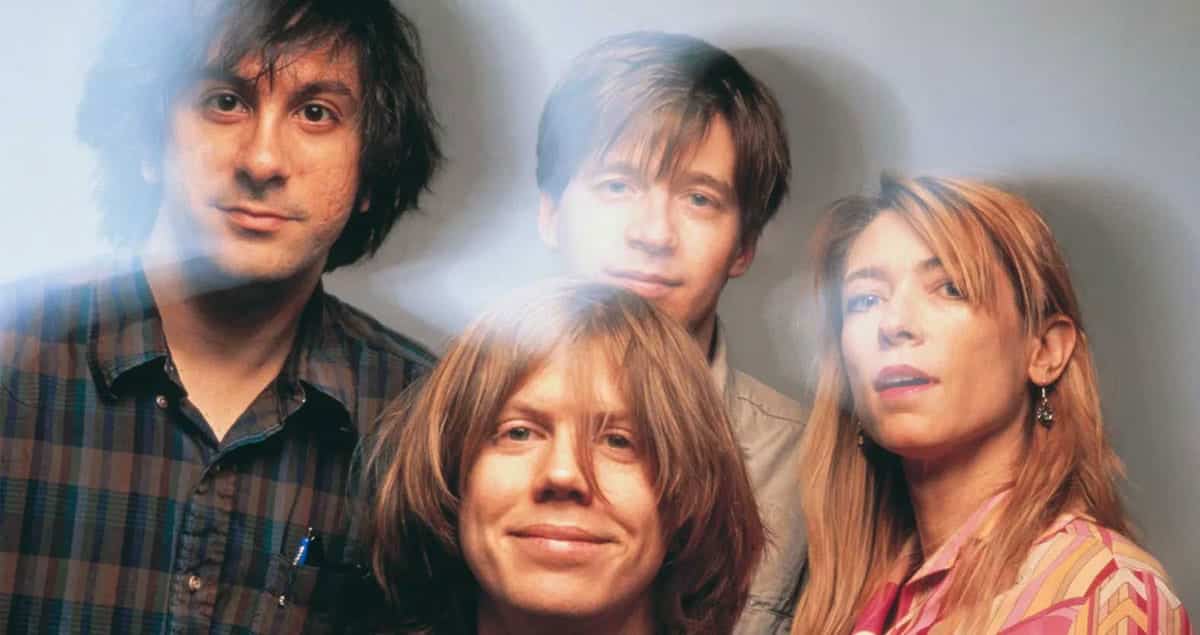
Sonic Youth: Noise as a Method of Thinking Sonic Youth is often framed as a noise band, an art-rock outlier, or a bridge between underground and mainstream alternative music. Those labels describe context, not purpose. Sonic Youth didn’t use noise to rebel or provoke. They used it to think. Where traditional rock relies on harmony … Read more

Joy Division

Joy Division

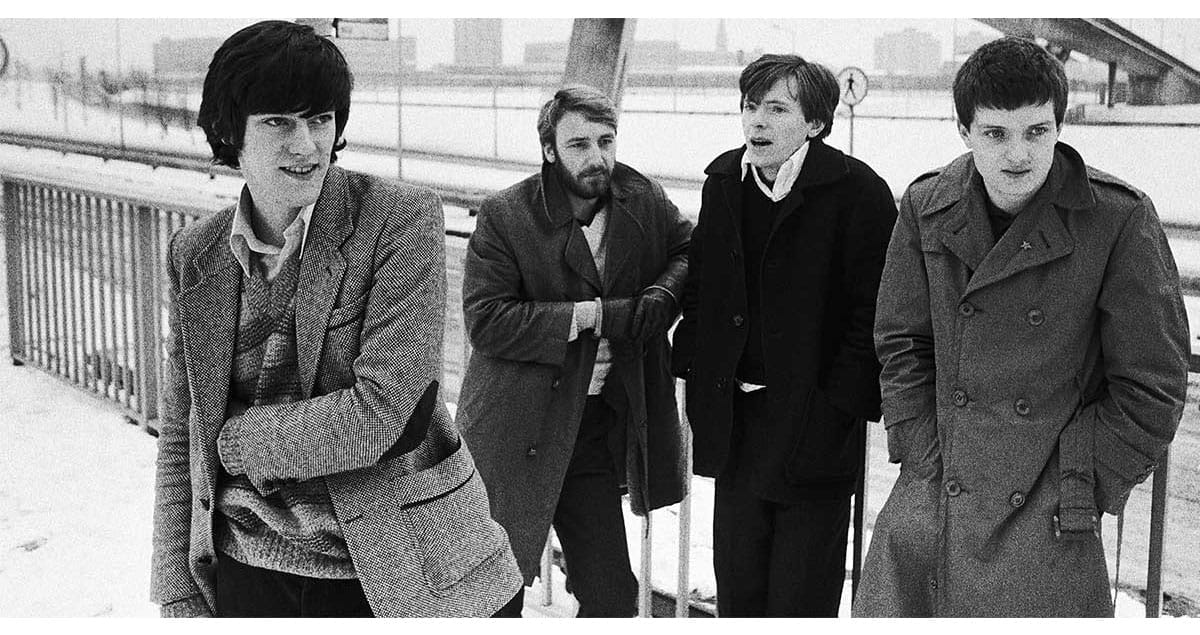
Joy Division Didn’t Express Darkness — They Normalized It Joy Division are often framed as a band that expressed despair. That’s inaccurate. Expression implies release. Joy Division offered none. What they did instead was normalize emotional collapse — present it as a stable condition, not a crisis moment. Their music doesn’t scream, confess, or cathartically … Read more

The Strokes

The Strokes

The Strokes Didn’t Revive Rock — They Froze It The most persistent myth about The Strokes is that they “saved” rock in the early 2000s. That narrative flatters history but misunderstands function. The Strokes didn’t save rock; they paused it, locked it into a pose, and made that stillness feel desirable. Where other bands chased … Read more

The White Stripes

The White Stripes

The White Stripes Were Not a Band — They Were a Constraint System The most misunderstood thing about The White Stripes is that they’re still often described as a garage rock revival band. That framing is shallow. The White Stripes were not reviving anything — they were removing things. What they practiced was not nostalgia, … Read more

Ween

Ween

Ween Turned Absurdity Into Precision Ween never treated absurdity as chaos. They treated it as method. Where novelty acts use weirdness to distract from limitations, Ween use it to expose structure. Their music sounds unhinged only if you stop listening early. Stay long enough and you hear discipline operating beneath the surface. Listening to Ween … Read more